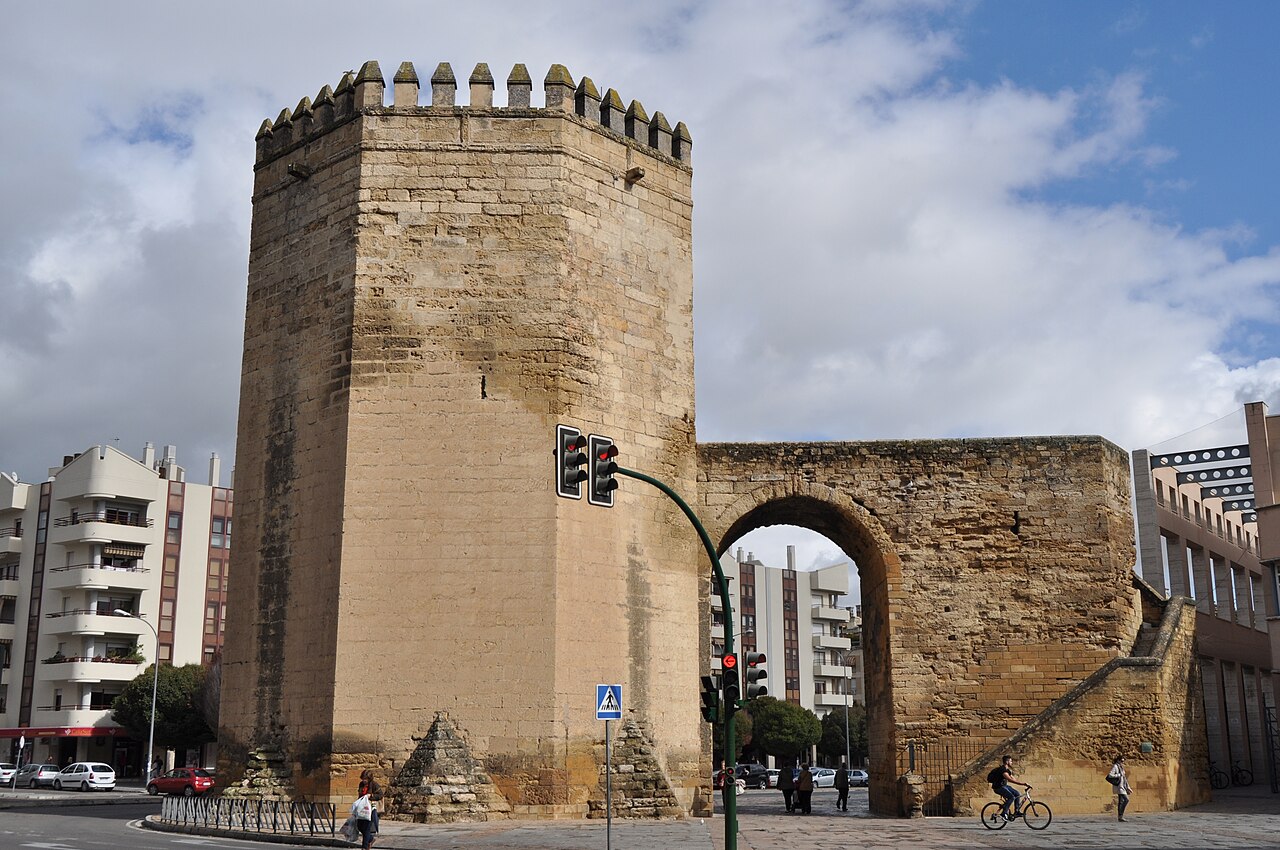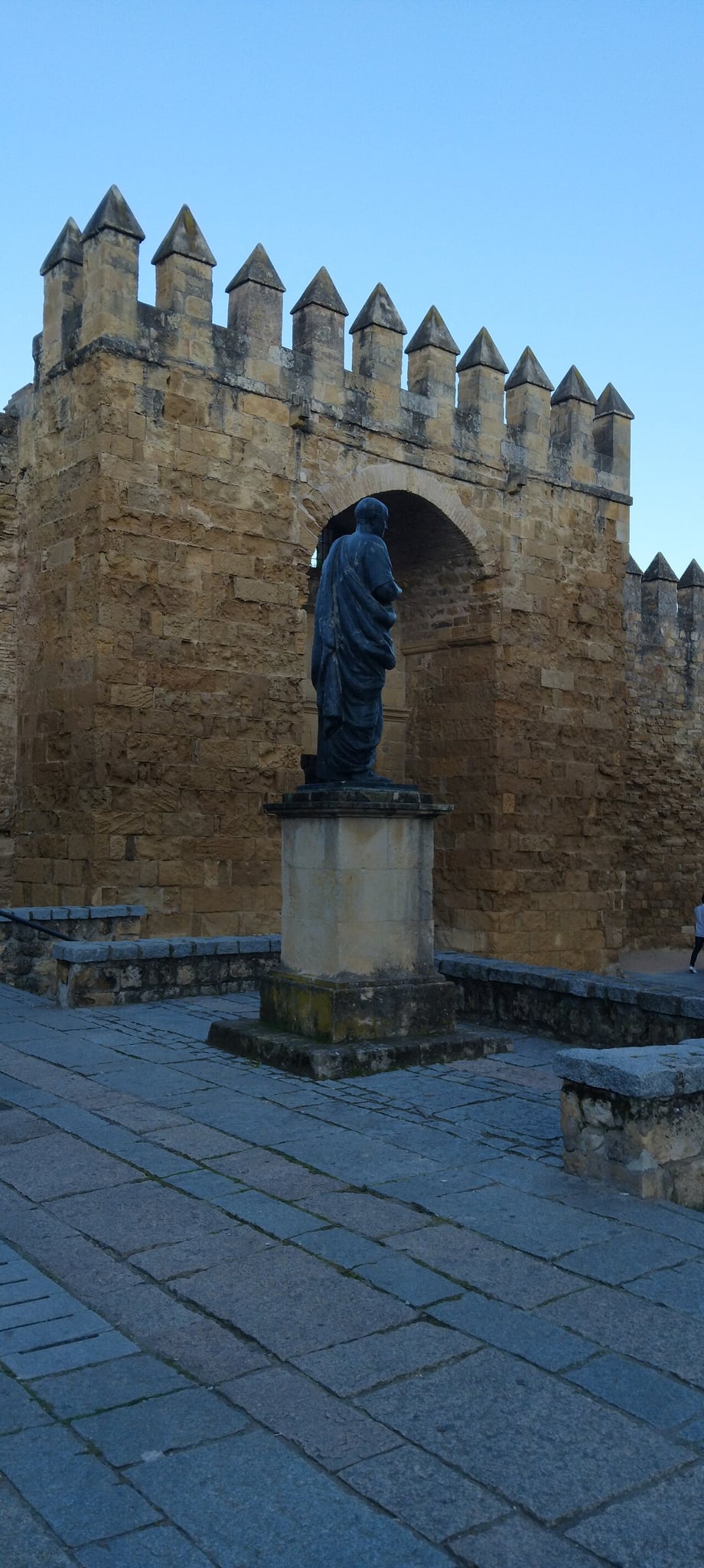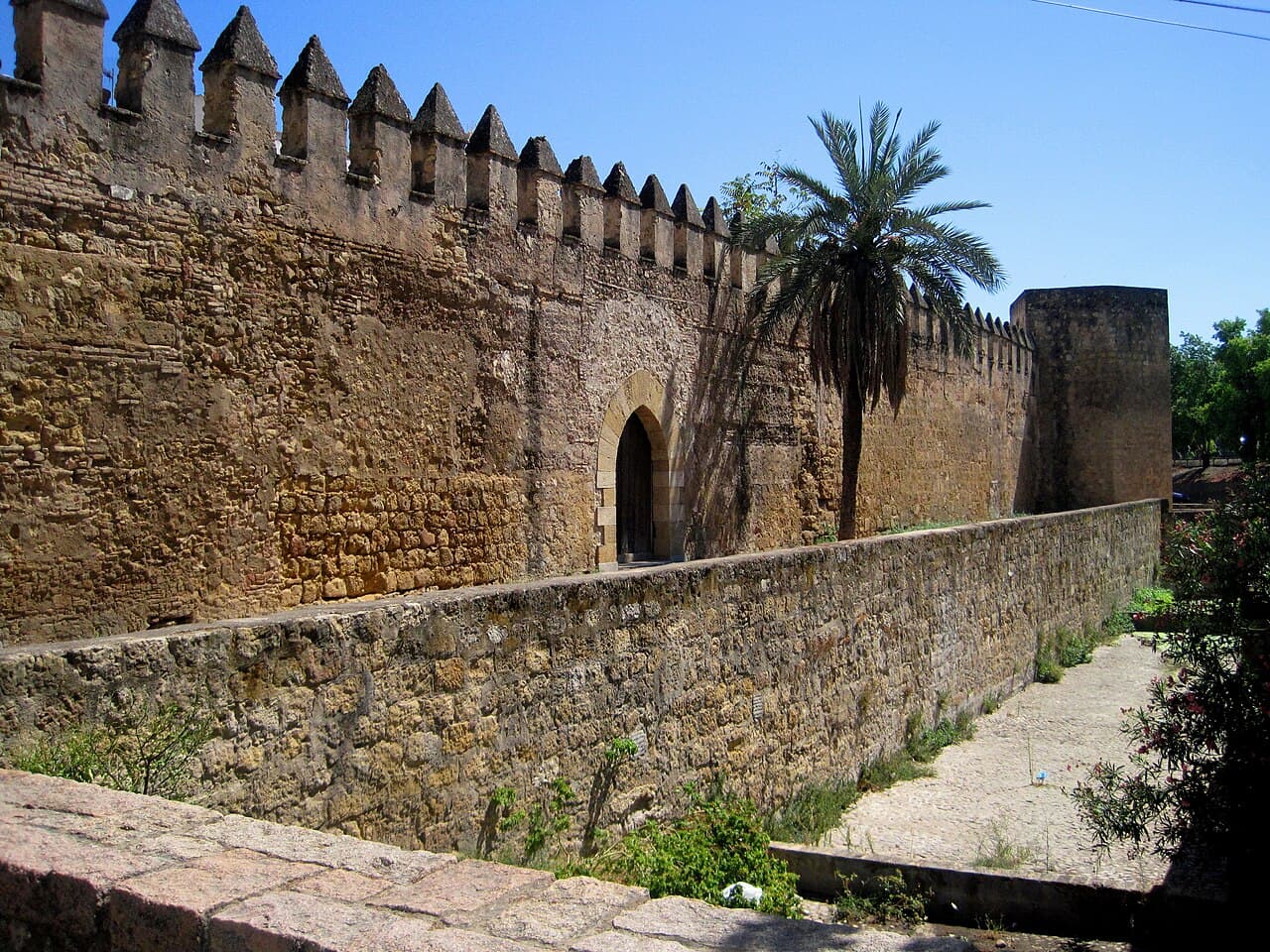
City walls of Córdoba
The Roman walls of Córdoba are a significant example of ancient military architecture, originally constructed to protect the Roman colonia of Corduba, now modern-day Córdoba, Spain. These walls were built shortly after the Romans captured the city in 206 BC during the expansion of the Roman Republic. Serving as a formidable defensive structure, the walls stretch approximately 2,650 metres (8,690 feet), encompassing the historic core of the city.
Historical context and construction
The city of Corduba was an important center in the Roman province of Hispania Baetica. Following its conquest, the Romans established the colonia and fortified it to secure their control over the region. The walls were constructed in the 3rd century BC, reflecting Roman military engineering practices of the period. Their primary purpose was to protect the settlement from external threats and to assert Roman authority.
The construction utilized large stone blocks and featured a combination of towers and gates strategically placed to monitor and defend the perimeter. The walls were integrated with the city's urban layout, marking the boundary of the Roman town and controlling access points.
Architectural features and design
The Roman walls of Córdoba exhibit typical features of Roman fortifications. The walls were originally equipped with bastions or projecting towers, which allowed defenders to cover adjacent sections of the wall with crossfire. This bastioned design enhanced the defensive capabilities, making it difficult for attackers to approach the walls without exposure.
The walls' thickness and height varied along their length, adapted to the topography and strategic importance of different sections. The use of durable stone materials ensured the structure's longevity, with some parts still standing today after more than two millennia.
Several gates punctuate the walls, serving as controlled entry points into the city. These gates were often elaborately constructed, combining functional and decorative elements typical of Roman architecture.
Evolution through the centuries
Over the centuries, the walls of Córdoba underwent modifications and repairs, reflecting changes in military technology and urban development. During the Early Medieval period, the walls continued to serve defensive purposes under various rulers, including the Visigoths and later the Islamic Caliphate of Córdoba.
Islamic rulers expanded and reinforced the fortifications, integrating them into the city's broader defensive system. The walls also witnessed the Reconquista, when Christian forces retook Córdoba in the 13th century, after which the walls were maintained and adapted to new military needs.
Preservation and cultural significance
Today, the Roman walls of Córdoba remain a prominent feature of the city's historic center, which has been designated a UNESCO World Heritage Site since 1984. Although some sections are in ruins, many parts of the walls are well preserved and accessible to visitors, offering insights into the city's ancient past.
The walls are an essential element of Córdoba's cultural heritage, symbolizing the city's long history from Roman times through the medieval period to the present. They form a tangible link to the Roman Republic's urban planning and military engineering achievements.
Visiting the Roman walls today
Visitors to Córdoba can explore various sections of the Roman walls integrated into the city's streetscape. Walking along the preserved segments provides a unique perspective on ancient defensive architecture and the city's historical evolution.
The walls are often included in guided tours of Córdoba's historic center, which also features other notable landmarks such as the Mezquita-Catedral and the Alcázar of the Christian Monarchs. Interpretive signage and local museums provide additional context about the walls' construction and historical role.
Frequently asked questions (FAQ)
- What is the historical significance of the Roman walls of Córdoba?
- The Roman walls of Córdoba were built in 206 BC to protect the Roman colonia of Corduba, marking the city's importance in Hispania Baetica and showcasing Roman military engineering.
- Can visitors walk along the Roman walls?
- Yes, many sections of the Roman walls are well preserved and accessible for walking tours, allowing visitors to experience ancient defensive architecture firsthand.
- Are the Roman walls part of a UNESCO World Heritage Site?
- Yes, the walls form part of Córdoba's historic center, which has been a UNESCO World Heritage Site since 1984 due to its rich cultural and architectural heritage.
- How have the walls changed over time?
- The walls were modified and reinforced during the Early Medieval period and under Islamic rule, adapting to new military needs while preserving much of their original Roman structure.
- What architectural features are notable in the Roman walls?
- The walls feature bastions, towers, and gates constructed with large stone blocks, exemplifying Roman defensive design and engineering techniques.
Photo gallery

Information
Current owner
Municipality of Córdoba
Loading map...
Visitor reviews
No reviews yet. Been here? Write the first review and help other travelers!
Write the first reviewVisited this castle? Share your experience
Your review helps other travelers and adds first-hand knowledge to our encyclopedia.