Citadel of Barcelona
The Citadel of Barcelona (Spanish: Ciudadela de Barcelona; Catalan: Fortalesa de la Ciutadella) stands as a significant example of early 18th-century military architecture in Spain. Constructed beginning in 1714 following the War of the Spanish Succession, this bastion fort was designed to assert control over the city of Barcelona and to prevent future rebellions. At the time of its completion, it was considered the largest fortress in Europe, with the capacity to house around 8,000 troops. Its imposing walls and extensive fortifications reflected the military engineering principles of the post-Renaissance period, emphasizing defense against artillery and siege warfare.
Design and construction
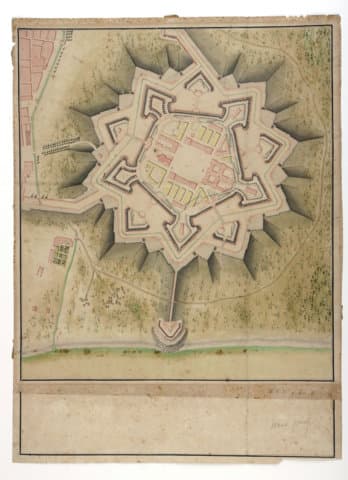
The citadel was designed by the notable military engineer Marquis of Verboom, a Flemish engineer who played a key role in Spanish military fortifications during the early 18th century. His design incorporated the bastioned trace style, characterized by angled walls and star-shaped bastions that allowed defenders to cover all approaches with overlapping fields of fire. The fortress was strategically positioned to dominate the city and control key access points, symbolizing the new Bourbon monarchy's authority over Catalonia after the defeat of local forces in 1714.
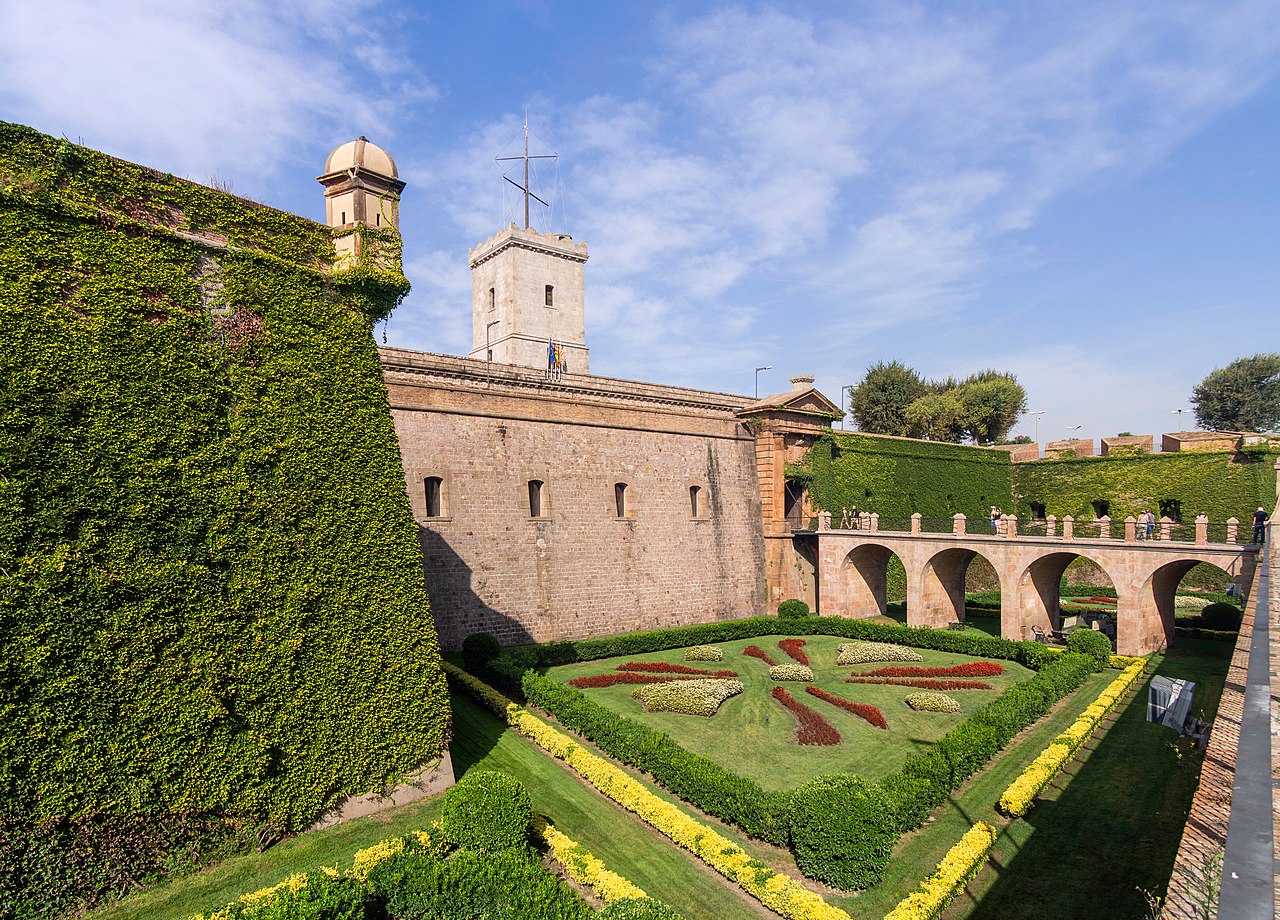
The construction began immediately after the fall of Barcelona in the War of the Spanish Succession, reflecting the Bourbon crown's intention to maintain a permanent military presence in the city. The fortress included extensive defensive walls, moats, and internal barracks, alongside essential military facilities such as an arsenal and armory.
Historical role and significance
Throughout the 18th and early 19th centuries, the Citadel of Barcelona served as a key military installation for the Spanish crown. It was a symbol of royal power and control, often resented by the local population due to its role in suppressing Catalan autonomy. The fortress was involved in various conflicts and political upheavals, including the Peninsular War against Napoleonic forces and later civil unrest.
Its military importance began to decline by the mid-19th century as changes in warfare and political attitudes made such fortifications less relevant. The fortress was eventually partially dismantled, a process that reflected the city's growth and the desire to reclaim urban space for public use.
Transformation into civic space
In 1872, the site of the former fortress was transformed into the Parc de la Ciutadella, Barcelona's main central park. This conversion was led by the architect Josep Fontserè, who incorporated landscaped gardens, promenades, and public amenities, turning the former military site into a vibrant urban green space.
Among the few surviving structures of the original citadel is the arsenal building, which was repurposed to become the Palau del Parlament de Catalunya, the seat of the Catalan Parliament. This adaptation highlights the site's continuing political significance, shifting from military control to democratic governance.
Architectural features and remnants
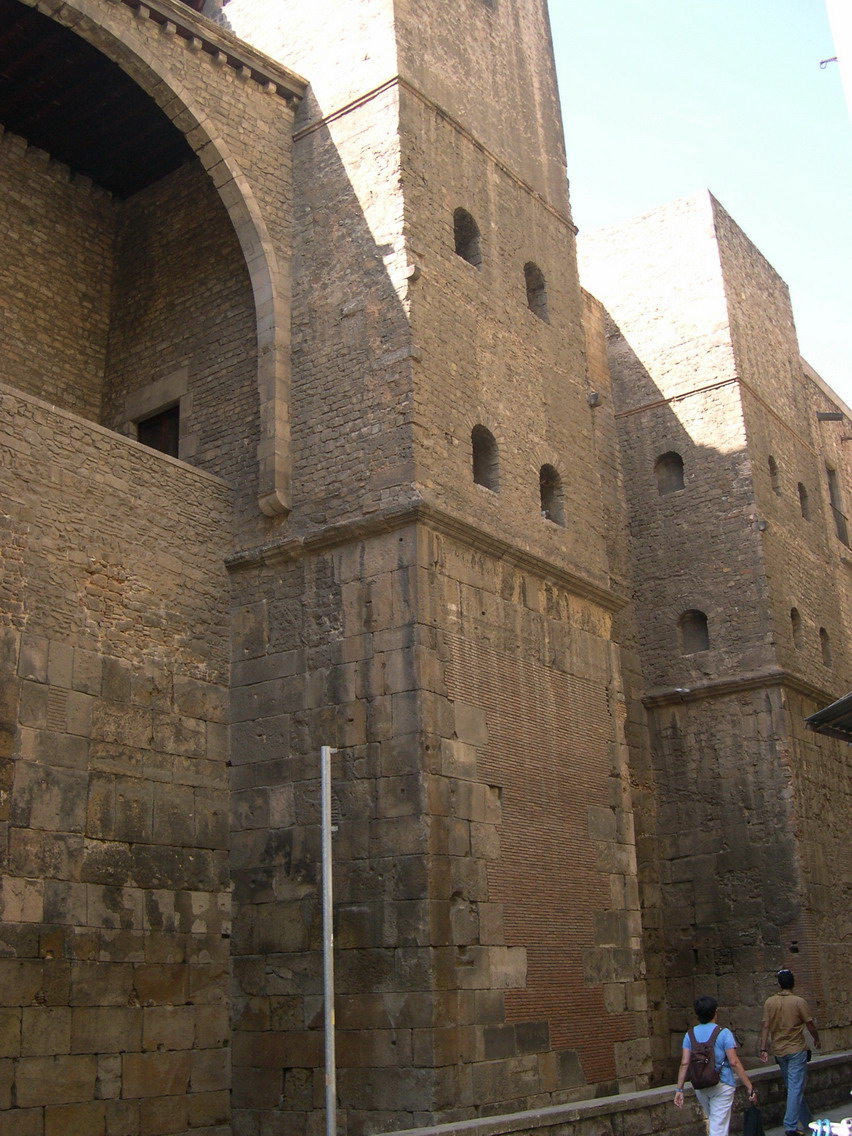
The original fortress featured massive bastioned walls, moats, and gatehouses designed for defense and control. While much of the fortifications were demolished or integrated into the urban fabric, some elements remain visible in the park and surrounding areas. The layout of the park preserves the star-shaped outline of the fortress, allowing visitors to appreciate the scale and design of this historic bastion fort.
Today, the Citadel of Barcelona is recognized as an important heritage site that reflects the military architecture and political history of early 18th-century Spain. Its transformation into a public park and political center illustrates the dynamic evolution of urban spaces from military to civic functions.
Frequently asked questions (FAQ)
- When was the Citadel of Barcelona built?
- The Citadel of Barcelona was constructed beginning in 1714 following the War of the Spanish Succession to establish royal control over the city.
- What architectural style characterizes the Citadel of Barcelona?
- The fortress exemplifies the bastioned trace style typical of post-Renaissance military engineering, featuring angled walls and star-shaped bastions for defensive coverage.
- Can I visit the Citadel of Barcelona today?
- Yes, the site is open to the public as part of the Parc de la Ciutadella, with free access daily from 10:00 to 20:00.
- What remains of the original Citadel structures?
- Some original buildings remain, including the arsenal, now the Palau del Parlament de Catalunya, while the fortress's star-shaped layout is preserved in the park's design.
- Why was the Citadel of Barcelona dismantled?
- The fortress was partially dismantled in the mid-19th century as its military role declined and the city sought to reclaim the space for public use.

Information
Opening hours
10:00-20:00, daily
Ticket prices
Free
Current owner
Municipality of Barcelona
Loading map...
Visitor reviews
No reviews yet. Been here? Write the first review and help other travelers!
Write the first reviewVisited this castle? Share your experience
Your review helps other travelers and adds first-hand knowledge to our encyclopedia.