Chwarszczany
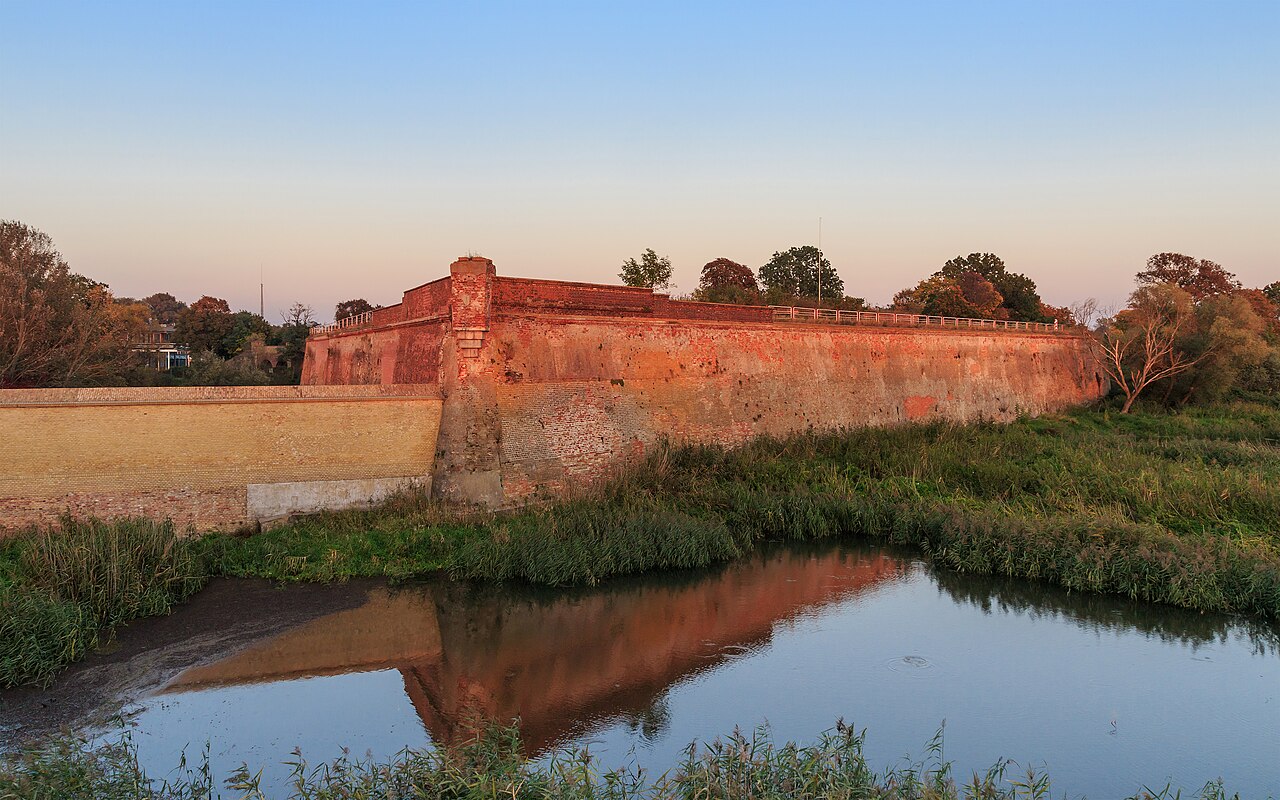
Chwarszczany Castle stands as a remarkable example of a High Medieval fortified commandery in Poland, originally established in the early 13th century. In 1232, Duke Władysław Odonic granted the Knights Templar a vast tract of land between the Warta, Oder, and Myśla rivers, which became the foundation for the commandery at Chwarszczany. Unlike typical castles designed primarily for defense, the Templars conceived their seat here more as a fortified manor or farmstead, occupying a flat elliptical hill surrounded by extensive marshlands and bordered on the west by a river, providing natural protection.
The first significant stone structure within the commandery was a single-nave chapel constructed around 1250 in the northwestern part of the enclosure. Built from granite blocks, this chapel marked the beginning of the site's architectural development. Following the incorporation of the commandery into the Margraviate of Magdeburg, the chapel underwent a substantial transformation towards the end of the 13th century. It was rebuilt into a more monumental Gothic structure measuring 25.2 by 9.5 meters with a height of 13.6 meters. The interior featured a three-bay hall with ribbed cross vaulting, while the exterior was reinforced with buttresses and two cylindrical towers flanking the western facade, lending it a defensive character.
The reconstruction utilized granite blocks salvaged from an earlier building, forming a robust three-meter-high stone plinth. The upper walls and towers were constructed of brick, a common medieval building material in the region. Though little remains of the surrounding buildings, it is believed that the commandery's courtyard was enclosed by residential and service structures, all likely protected by some form of fortifications, although precise details remain unknown due to limited archaeological evidence.
The templars and joannites: commandery transitions
After the suppression of the Knights Templar in 1312 by Pope Clement V, the Chwarszczany commandery was transferred to the Knights Hospitaller (Joannites) as part of the Treaty of Cremmen. The Hospitallers, whose architectural preferences differed significantly from those of the Templars, made no major alterations to the existing structures. The commandery continued to operate under the Joannites until 1540, when the Margrave Jan ordered its relocation to Świdwin. Subsequently, the site was converted into a manor farm that remained active until the end of World War II in 1945.
Destruction and restoration through the centuries
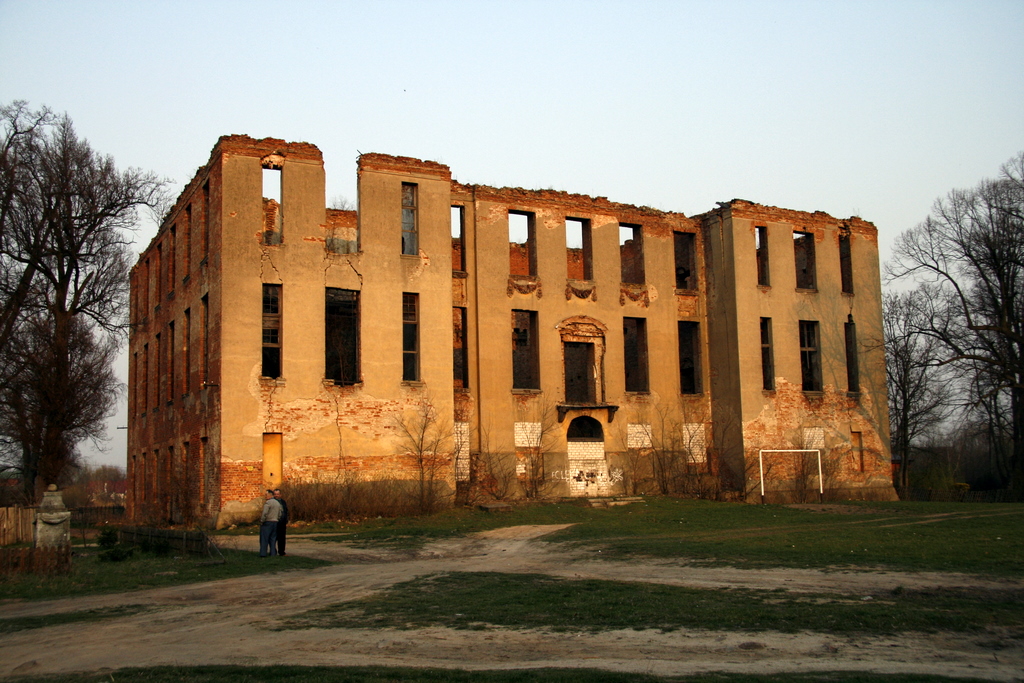
During the Seven Years' War in 1758, the commandery's buildings were largely destroyed by fire, leaving only the chapel intact. Two years later, the chapel was rebuilt, preserving its Gothic character. Further modifications occurred in 1858, including minor architectural changes and the addition of a sacristy on the north side, enhancing its functionality as a place of worship.
Architectural significance and current status
Today, the former commandery chapel serves as the Church of St. Stanislaus Kostka. It remains an outstanding example of Gothic architecture in the region, notable for its harmonious blend of religious and defensive features. The chapel's robust granite base, rib-vaulted interior, and flanking towers provide insight into the dual spiritual and military roles of the Templar order.
Despite its historical and architectural importance, Chwarszczany Castle is often overshadowed by legends surrounding the Templars, including myths about hidden treasures. These stories have unfortunately led to unauthorized treasure hunting, causing damage to the site. Nevertheless, the castle's authentic medieval fabric and its well-documented history make it a valuable cultural heritage landmark and a fascinating destination for visitors interested in medieval military orders and Gothic architecture.
Geographical and strategic context
The choice of location on a flat, elliptical hill surrounded by marshes and adjacent to a river was strategic, providing natural defenses that complemented the modest fortifications. This setting reflects the Templars’ practical approach to site selection, balancing accessibility with security.
Construction materials and techniques
The use of granite blocks for the chapel's foundation and lower walls ensured durability, while brickwork above allowed for architectural detailing typical of the Gothic style in Northern Europe. The ribbed vaulting inside the chapel is a hallmark of Gothic engineering, distributing weight efficiently and allowing for taller, more open interiors.
Legacy of the templar and joannite orders
Chwarszczany Castle embodies the transition between two influential military orders in medieval Europe. Its preservation offers a rare glimpse into the operational and architectural differences between the Templars and the Hospitallers, enriching our understanding of medieval monastic military culture.
Frequently asked questions (FAQ)
- How do I get to Chwarszczany Castle?
- Chwarszczany Castle is located in the village of Chwarszczany, Poland, easily accessible by car or public transport. If driving, you can follow the main roads from nearby cities like Gorzów Wielkopolski, which is approximately 40 kilometers away. Public buses also connect the village with larger towns in the region.
- What is the historical significance of Chwarszczany Castle?
- Chwarszczany Castle dates back to the 14th century and served as an important defensive structure during various regional conflicts. The castle reflects the architectural styles of its time and has undergone several renovations, showcasing the evolution of design over the centuries. Its rich history makes it a fascinating site for visitors interested in Polish heritage.
- When was Chwarszczany Castle built?
- The construction of Chwarszczany Castle began in the 14th century, and it was strategically designed to serve as a fortress. Throughout the years, it has been adapted and renovated, preserving elements from various architectural periods. This layered history adds depth to the castle's story, making it a captivating place to explore.
- Can I visit Chwarszczany Castle year-round?
- Yes, Chwarszczany Castle is open to visitors throughout the year, although specific opening hours may vary by season. It is advisable to check the official website or local tourism information for the most up-to-date details on visiting times. Special events may also take place during the summer months, enhancing the visitor experience.
- Why is Chwarszczany Castle a popular tourist attraction?
- Chwarszczany Castle is popular due to its unique blend of historical significance and architectural beauty. Visitors are drawn to its picturesque setting and the stories of the past that it embodies. Additionally, the surrounding natural landscape offers opportunities for outdoor activities, making it a well-rounded destination for tourists.
- Is it possible to take guided tours of Chwarszczany Castle?
- Yes, guided tours are available at Chwarszczany Castle, providing an in-depth look at its history and architecture. Knowledgeable guides share intriguing stories and insights, enhancing your understanding of the castle's significance. It's recommended to book tours in advance, especially during peak tourist season.
- What are the ticket prices for Chwarszczany Castle?
- Ticket prices for Chwarszczany Castle are quite reasonable, with discounts available for students and seniors. Children under a certain age may enter for free, making it an affordable outing for families. Be sure to check the official website for current pricing and any special promotions.
- What are the best times to visit Chwarszczany Castle?
- The best times to visit Chwarszczany Castle are during the late spring and early autumn when the weather is typically pleasant. These seasons offer stunning views of the surrounding countryside and are ideal for outdoor exploration. Additionally, visiting during these months allows you to enjoy any seasonal events or activities offered at the castle.
- Are there any nearby attractions to visit while at Chwarszczany Castle?
- Yes, there are several nearby attractions worth exploring, including local parks and historical sites. The picturesque village of Chwarszczany itself offers charming walks and cultural experiences. Additionally, the surrounding region features beautiful landscapes and opportunities for hiking and nature photography.
Information
Loading map...
Visitor reviews
No reviews yet. Been here? Write the first review and help other travelers!
Write the first reviewVisited this castle? Share your experience
Your review helps other travelers and adds first-hand knowledge to our encyclopedia.