Chernelytsia Castle
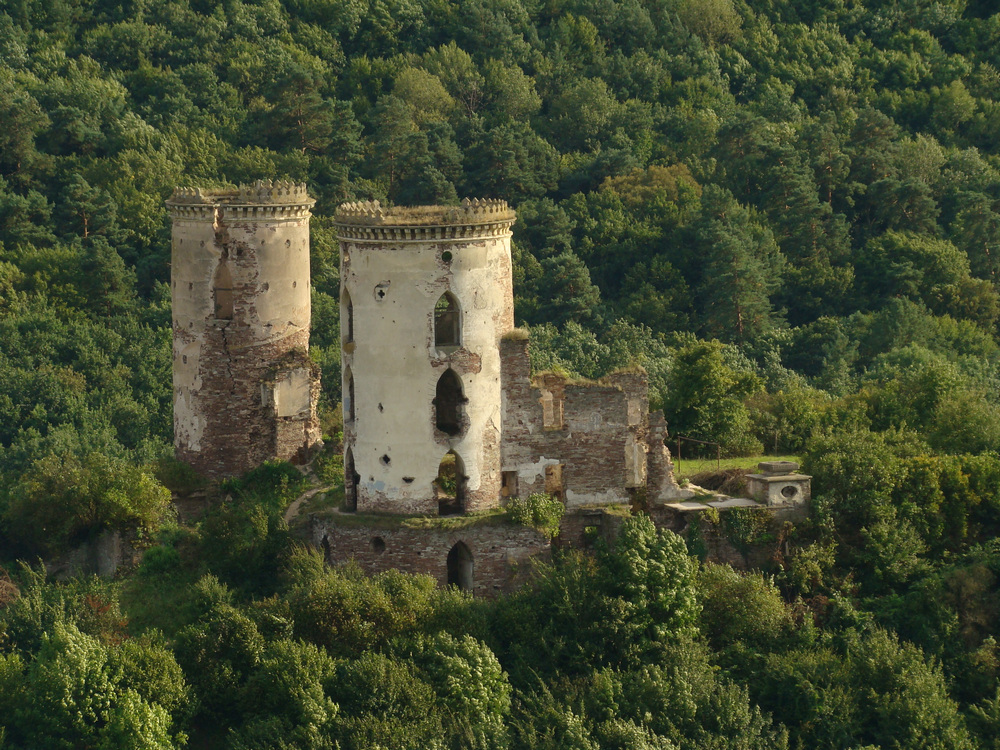
Chernelytsia Castle (Ukrainian: Чернелицький замок; Polish: Zamek w Czernelicy) is a notable example of a 17th-century Renaissance hill castle located in the historical region of Pokuttia, now part of Ukraine. Constructed in 1659 under the direction of Bratslav Voivode Michał Jerzy Czartoryski, the castle served as a strategic fortress during a turbulent period in Eastern European history when the Kingdom of Poland controlled the area.
Historical context and construction
The castle was built during the mid-17th century, a period marked by frequent military conflicts such as the Khmelnytsky Uprising and wars involving the Polish-Lithuanian Commonwealth and neighboring powers. The choice of location on a hill provided a natural defensive advantage, typical of hill castles designed to oversee and control the surrounding landscape.
Michał Jerzy Czartoryski, a member of the influential Czartoryski family, commissioned the castle to strengthen the region's defenses and assert Polish authority in Pokuttia. The castle's construction reflects the Renaissance architectural style prevalent in the Commonwealth at the time, blending military functionality with aesthetic elements.
Architectural features
Chernelytsia Castle exemplifies Renaissance military architecture adapted to local conditions. Its hilltop position is enhanced by thick defensive walls and bastions designed to withstand artillery attacks, which were becoming more common in 17th-century warfare. The castle likely included a keep or central stronghold, surrounded by curtain walls with towers at key points to provide overlapping fields of fire.
The layout would have incorporated a courtyard, residential quarters, and storage facilities, supporting both military and administrative functions. Although detailed plans are scarce, surviving ruins suggest a compact fortress optimized for defense rather than elaborate palatial comfort.
Role in regional history
Throughout its history, Chernelytsia Castle played a defensive role in the volatile borderlands of the Polish-Lithuanian Commonwealth. It was part of a network of fortifications aimed at protecting against incursions by Cossacks, Tatars, and Ottoman forces. The castle's strategic importance declined as political control shifted and military technology evolved.
Despite its military origins, the castle also served as a local administrative center, reflecting the dual nature of many Renaissance castles as both fortresses and noble residences. Over time, the castle fell into disuse and partial ruin, affected by wars and changing political landscapes.
Current condition and preservation
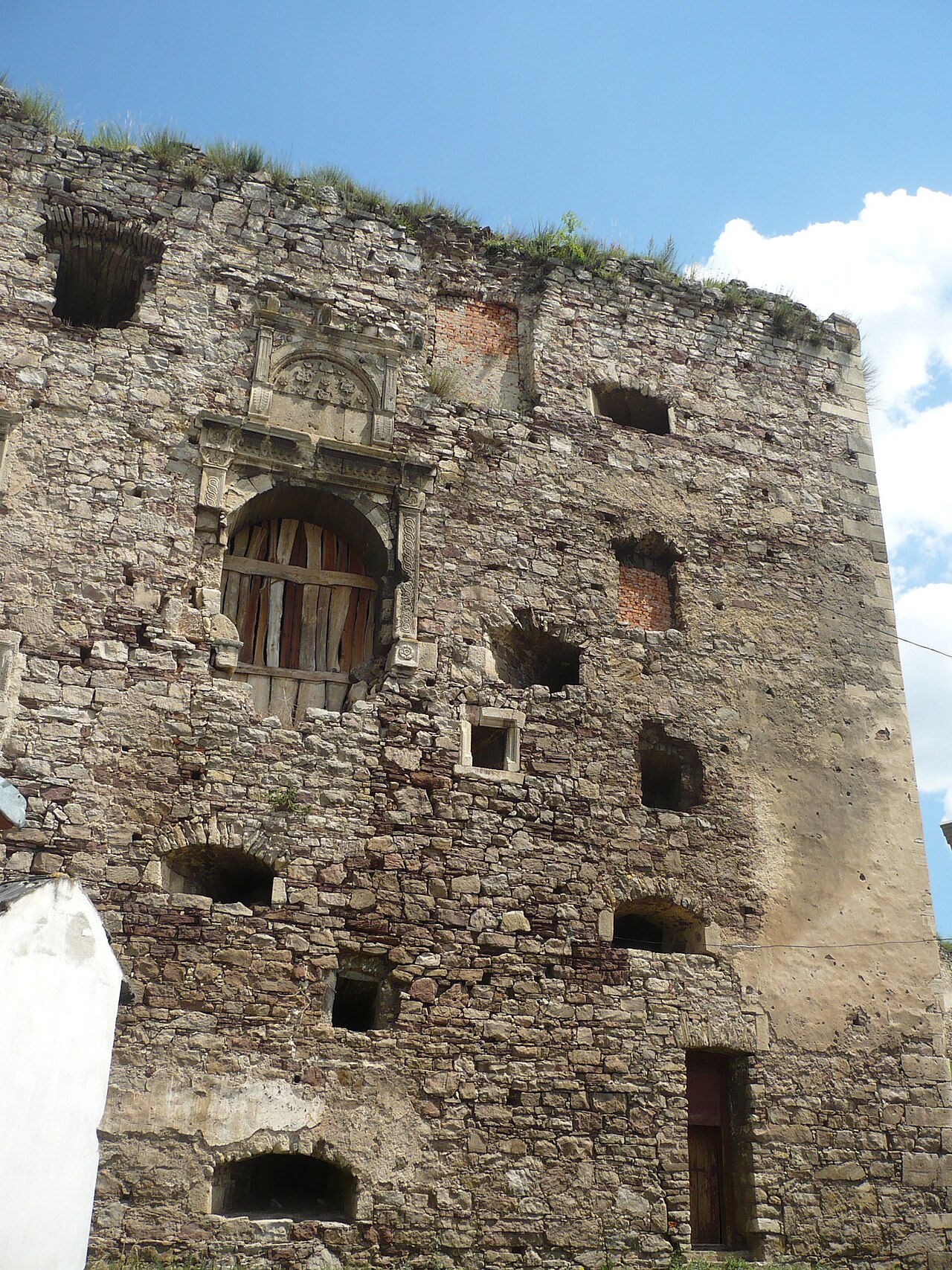
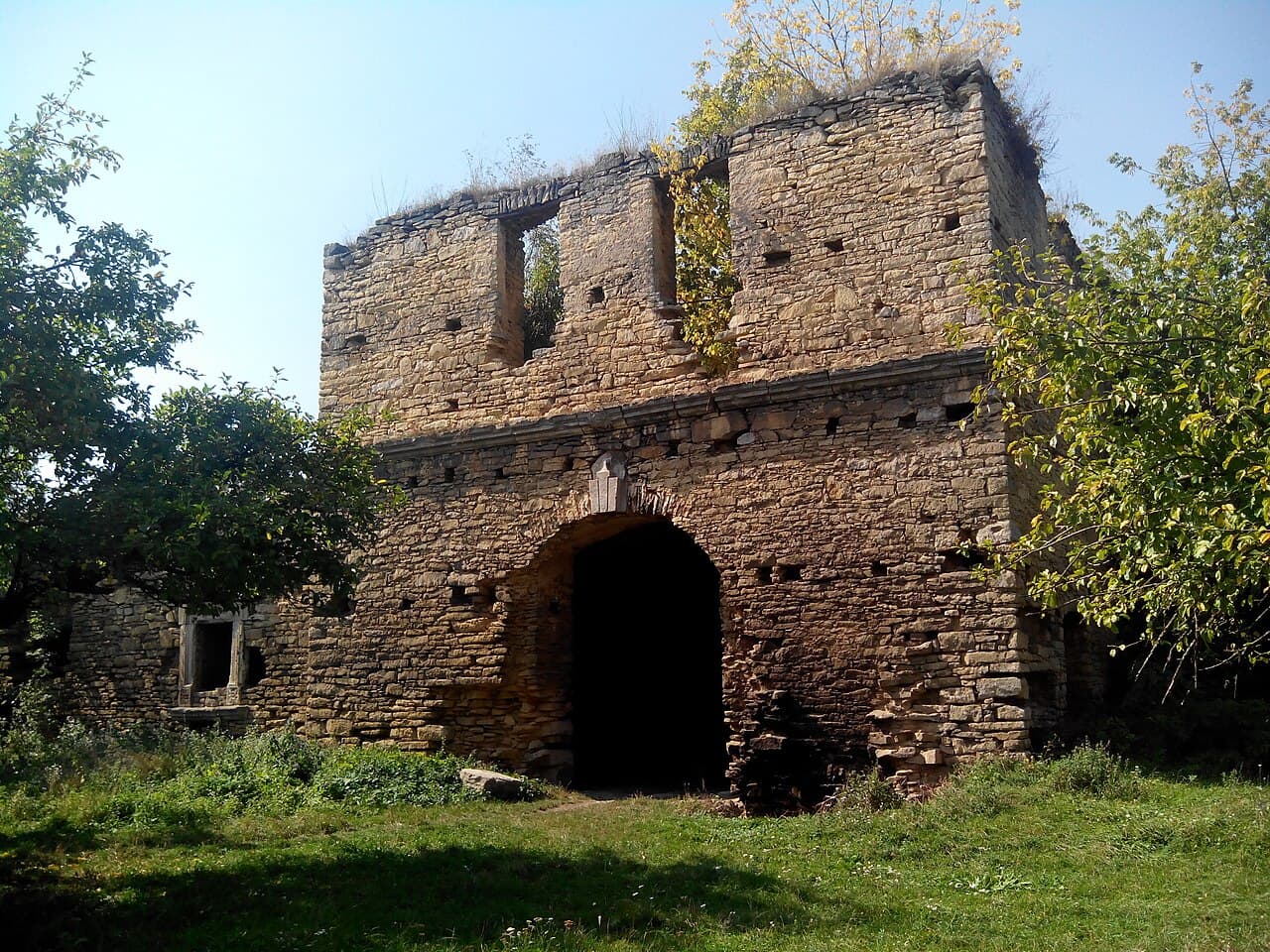
Today, Chernelytsia Castle remains as partially preserved ruins, with sections of its defensive walls and foundations still visible. The site offers insight into 17th-century fortification techniques and the regional history of Pokuttia. Preservation efforts have been limited, but the castle attracts interest from historians and tourists interested in Ukraine's medieval and early modern heritage.
Visitors can explore the ruins and appreciate the castle's commanding position over the surrounding countryside, which continues to illustrate its original strategic purpose.
Visiting information and cultural significance
While not extensively developed as a tourist site, Chernelytsia Castle is recognized for its cultural and historical value. It represents a tangible link to the complex history of Eastern Europe during the Renaissance and the military architecture of the Polish-Lithuanian Commonwealth.
The castle's ruins contribute to local identity and heritage tourism, encouraging preservation and scholarly interest in the region's past.
Frequently asked questions (FAQ)
- When was Chernelytsia Castle built and by whom?
- Chernelytsia Castle was built in 1659 by Bratslav Voivode Michał Jerzy Czartoryski during the Renaissance period.
- What architectural style characterizes Chernelytsia Castle?
- The castle is an example of Renaissance military architecture, featuring thick defensive walls and bastions suited for 17th-century warfare.
- Is Chernelytsia Castle open to visitors?
- Yes, visitors can explore the partially preserved ruins of Chernelytsia Castle, though facilities are limited and it is best to check local access conditions before visiting.
- What was the strategic importance of Chernelytsia Castle?
- The castle served as a defensive fortress in the borderlands of the Polish-Lithuanian Commonwealth, protecting against Cossack, Tatar, and Ottoman incursions.
- What remains of Chernelytsia Castle today?
- Today, visitors can see sections of the defensive walls and foundations, which provide insight into 17th-century fortification techniques.
Photo gallery

Information
Current owner
Municipality
Loading map...
Visitor reviews
No reviews yet. Been here? Write the first review and help other travelers!
Write the first reviewVisited this castle? Share your experience
Your review helps other travelers and adds first-hand knowledge to our encyclopedia.