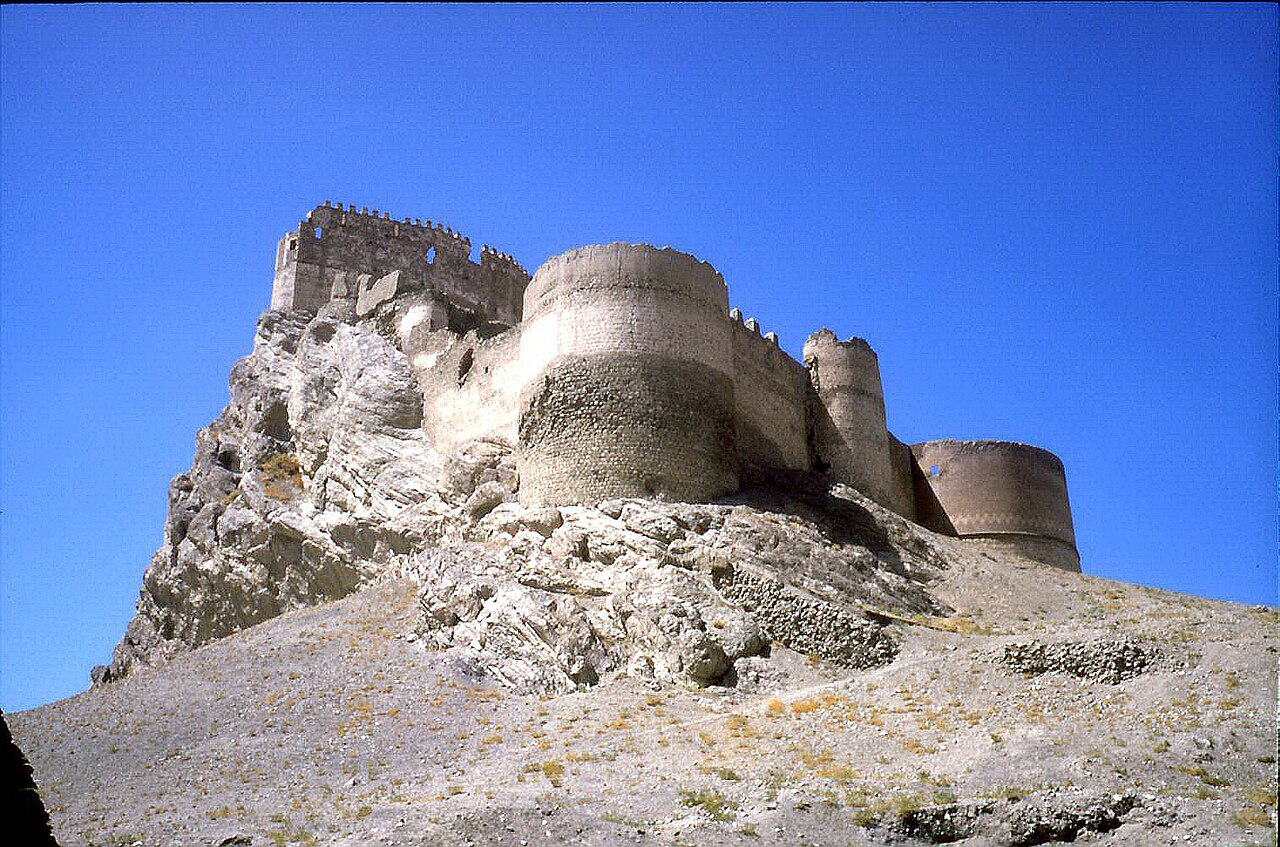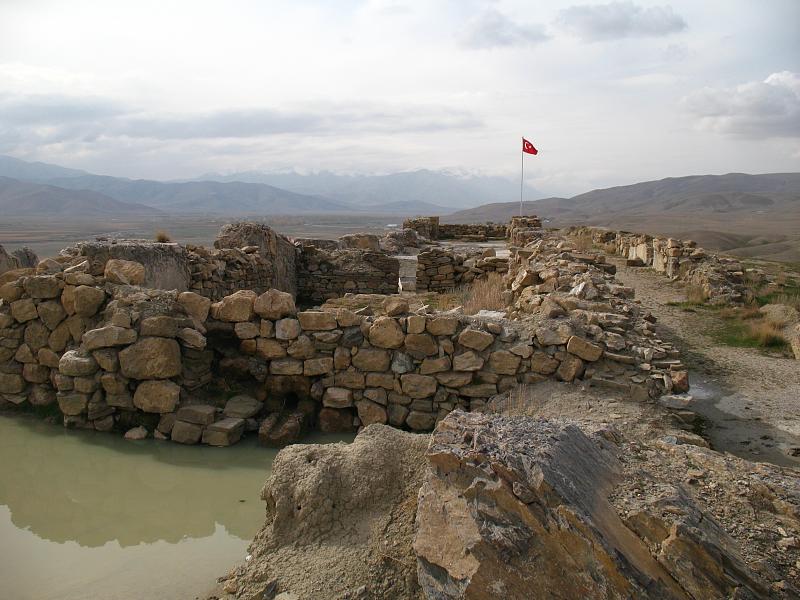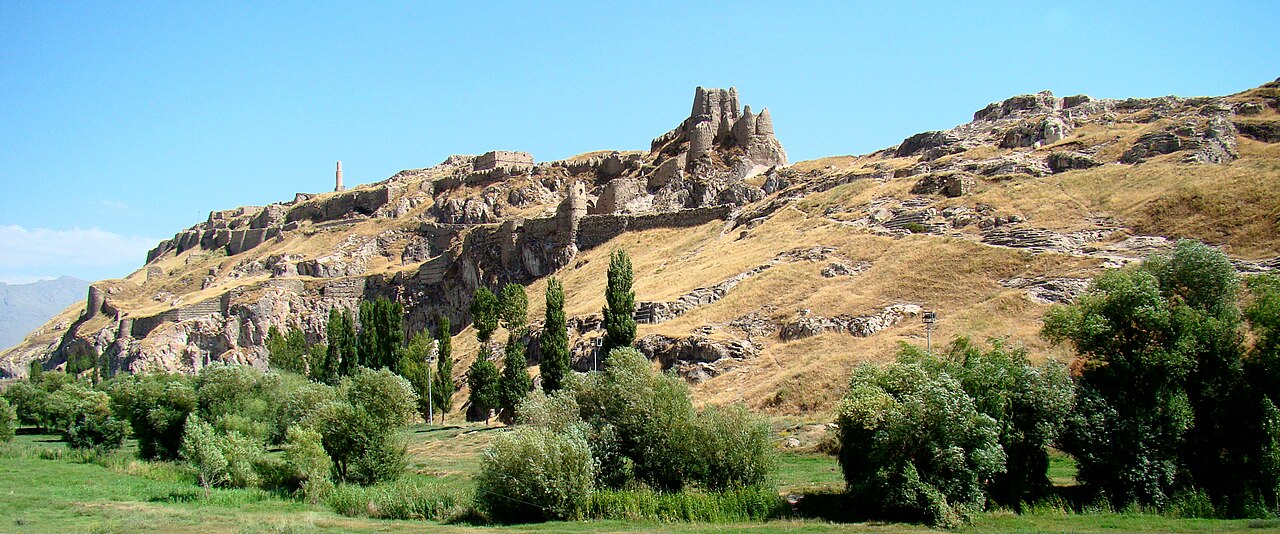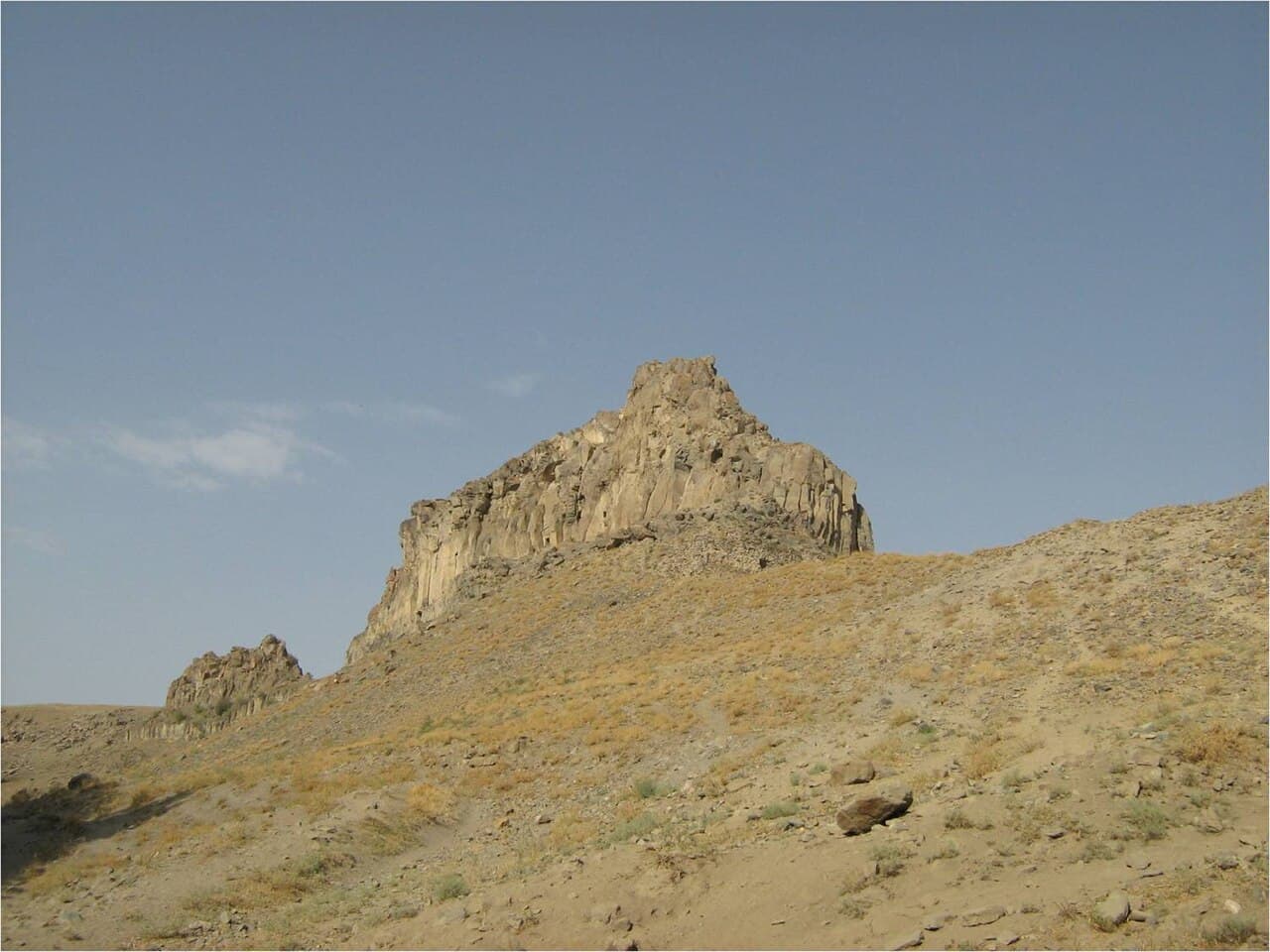
Chehriq citadel, also known by various names including Chahriq, Chiriq, Charik, Čahrīk, and Shimko, is a prominent bastioned fortress situated in north-western Iran, within the West Azarbaijan Province, specifically in Salmas County. This historic fortress lies near the village of Chahriq-e Olya and is close to the modern border with Turkey. The fortress occupies a strategic position that historically controlled important regional routes and served defensive and administrative functions.
Historical significance and context
Chehriq holds a notable place in Iranian history, particularly during the Islamic period. It is best known for its role as a prison fortress where the Báb, the founder of the Bábí faith and a central figure in the Baha'i religion, was confined in the mid-19th century. This association makes the citadel a site of religious and cultural importance.
The fortress's origins likely date back several centuries, with its construction aimed at controlling the volatile frontier regions between Persia and the Ottoman Empire. Its location near the border underscores its military and political value during periods of conflict and territorial disputes.
Architectural features and design
Chehriq exemplifies characteristics of a bastioned fortress, a defensive architectural style that incorporates angled bastions projecting from the walls to provide overlapping fields of fire against attackers. This design was particularly effective in the era of gunpowder warfare, allowing defenders to repel assaults more efficiently.
The fortress is constructed primarily from local stone and mortar, featuring thick defensive walls that would have withstood artillery bombardment. The layout includes multiple bastions positioned at strategic points around the perimeter, enabling comprehensive surveillance and defense. The fortress also contains internal chambers, storage areas, and living quarters, though many of these have suffered from the passage of time.
Its elevated position on rugged terrain contributes to its defensive advantages, offering commanding views of the surrounding landscape and early warning of approaching forces.
Defensive structures
The bastions are connected by curtain walls, creating a continuous defensive barrier. These walls are punctuated by narrow windows and embrasures for firing weapons. The entrance to the fortress is fortified, likely including a gatehouse and possibly a drawbridge or portcullis in earlier periods, though specific details require further archaeological study.
Current condition and preservation
Today, Chehriq stands as a partially preserved fortress. While significant portions of the walls and bastions remain intact, other sections have deteriorated due to natural erosion and lack of extensive restoration efforts. The site is accessible to visitors interested in Iranian history and architecture, though facilities and interpretive resources may be limited.
Visiting Chehriq
The fortress's remote location near the Turkish border means that access can be challenging. Visitors should plan accordingly, considering local travel conditions and obtaining necessary permissions if required. The surrounding region offers a glimpse into the diverse cultural and historical landscape of West Azarbaijan Province.
Cultural and religious importance
Beyond its military function, Chehriq is revered in religious history due to its connection with the Báb. This association attracts pilgrims and scholars interested in the Bábí and Baha'i faiths. The fortress thus serves as both a historical monument and a symbol of religious perseverance.
Frequently asked questions (FAQ)
- What is Chehriq citadel known for historically?
- Chehriq is historically known as the fortress where the Báb, the founder of the Bábí faith, was imprisoned in the 19th century. It holds religious and cultural significance in Iran.
- Where is Chehriq located?
- Chehriq is located in West Azarbaijan Province, Iran, near the village of Chahriq-e Olya and close to the Turkish border in Salmas County.
- What architectural style characterizes Chehriq?
- Chehriq is characterized as a bastioned fortress, featuring angled bastions and thick defensive walls designed for effective defense during the gunpowder era.
- Is Chehriq fortress accessible to visitors?
- Yes, Chehriq is accessible to visitors, though its remote location near the Turkish border may require careful travel planning and permissions.
- What is the current condition of Chehriq?
- The fortress is partially preserved, with many walls and bastions still standing, but some sections have deteriorated due to natural erosion and limited restoration.
Photo gallery

Information
Loading map...
Visitor reviews
No reviews yet. Been here? Write the first review and help other travelers!
Write the first reviewVisited this castle? Share your experience
Your review helps other travelers and adds first-hand knowledge to our encyclopedia.