Château Pèlerin
Château Pèlerin, also known as Atlit or Magdiel, stands as one of the most formidable Crusader fortresses on the northern coast of Israel. Located approximately 2 kilometres north of the modern town of Atlit and about 13 kilometres south of Haifa, this fortress was constructed by the Knights Templar beginning in 1218 during the Fifth Crusade. It was designed as a heavily fortified stronghold capable of supporting up to 4,000 troops under siege conditions, making it a vital military and logistical base for the Crusaders in the Levant.
Strategic location and historical significance
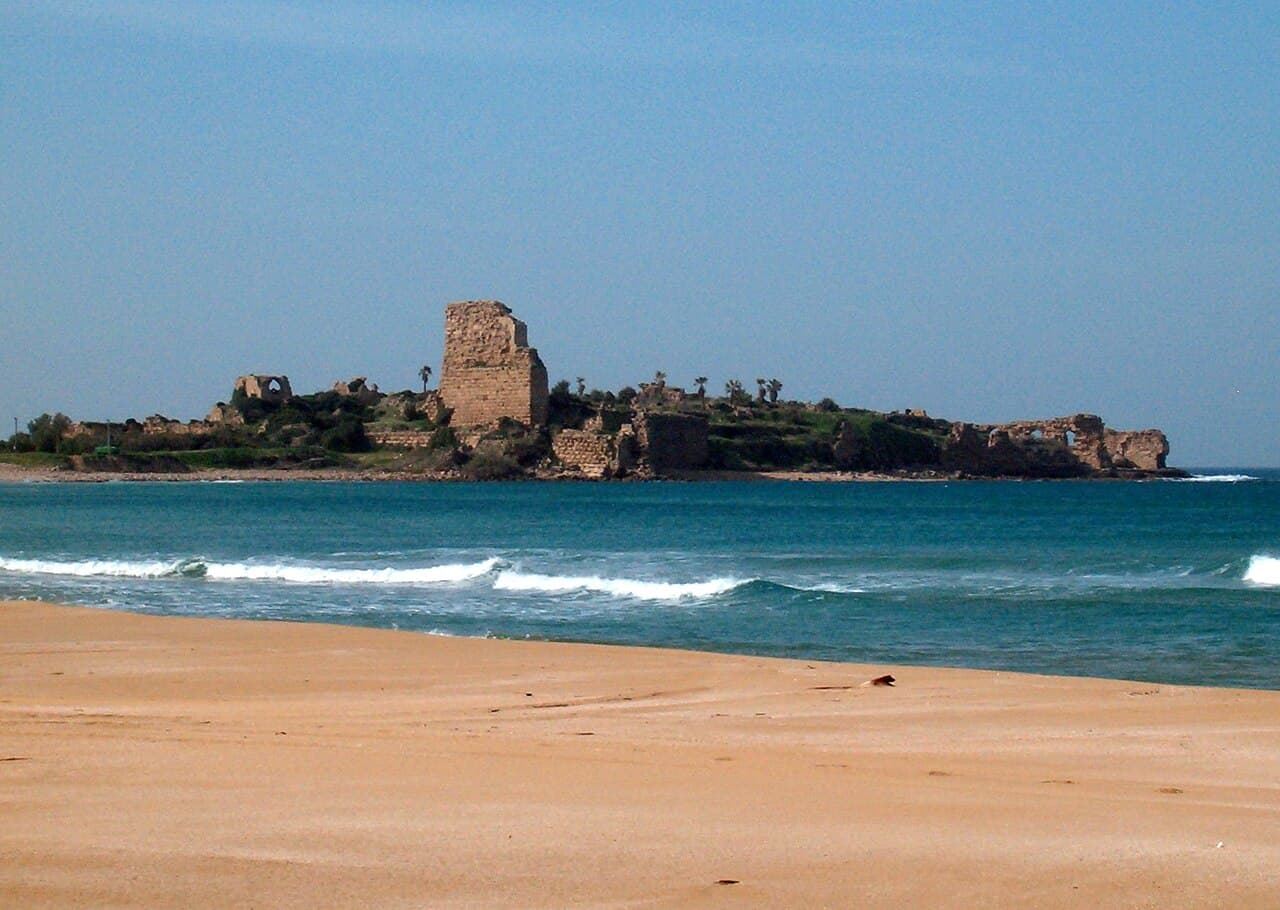
The fortress occupies a hilltop site overlooking the Mediterranean Sea, providing commanding views of the coastline and control over maritime access. This location was crucial for the Crusaders to secure supply lines and maintain a foothold in the region. Château Pèlerin was not only a military installation but also a fortified town, complete with residential quarters, storage facilities, and defensive structures designed to withstand prolonged attacks.
For a brief period, Château Pèlerin served as the headquarters of the Crusaders after the loss of other strongholds, symbolizing the last bastion of Crusader power in the region. Its fall in early August 1291 to the forces of Al-Ashraf Khalil marked the end of Crusader presence in Syria and the Levant, following the earlier Siege of Acre.
Architectural features and military design
Fortifications and layout
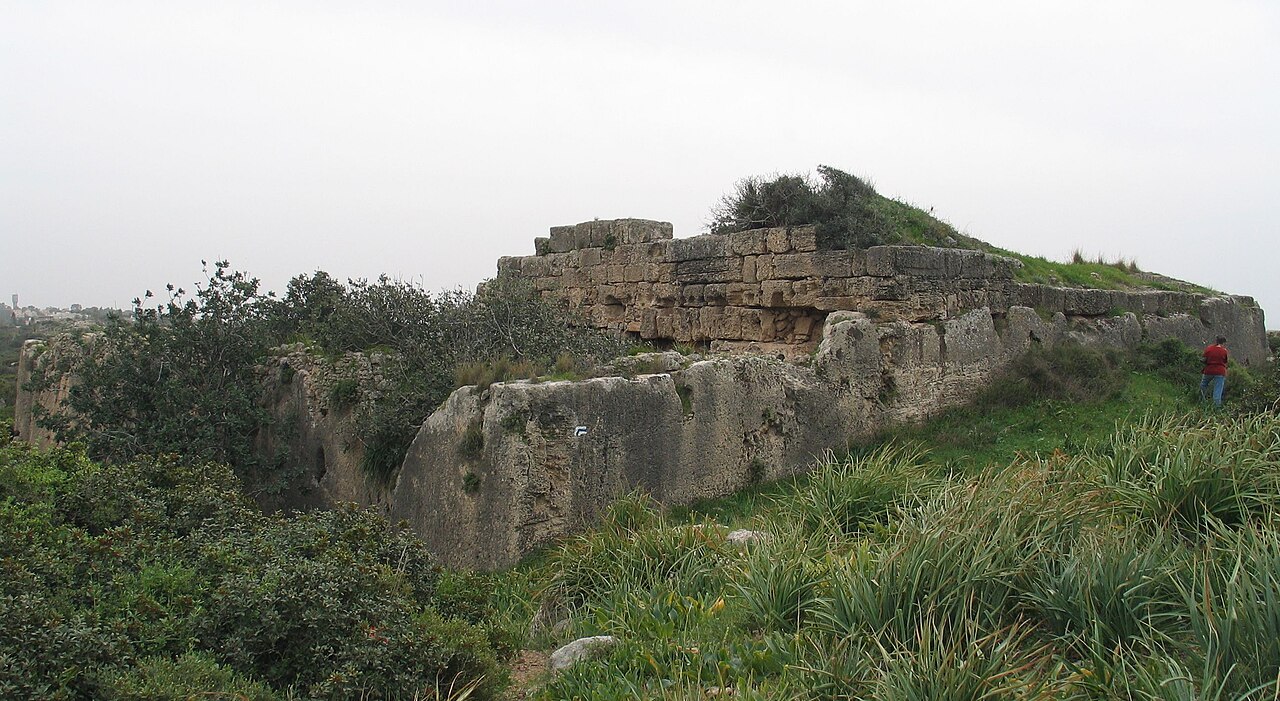
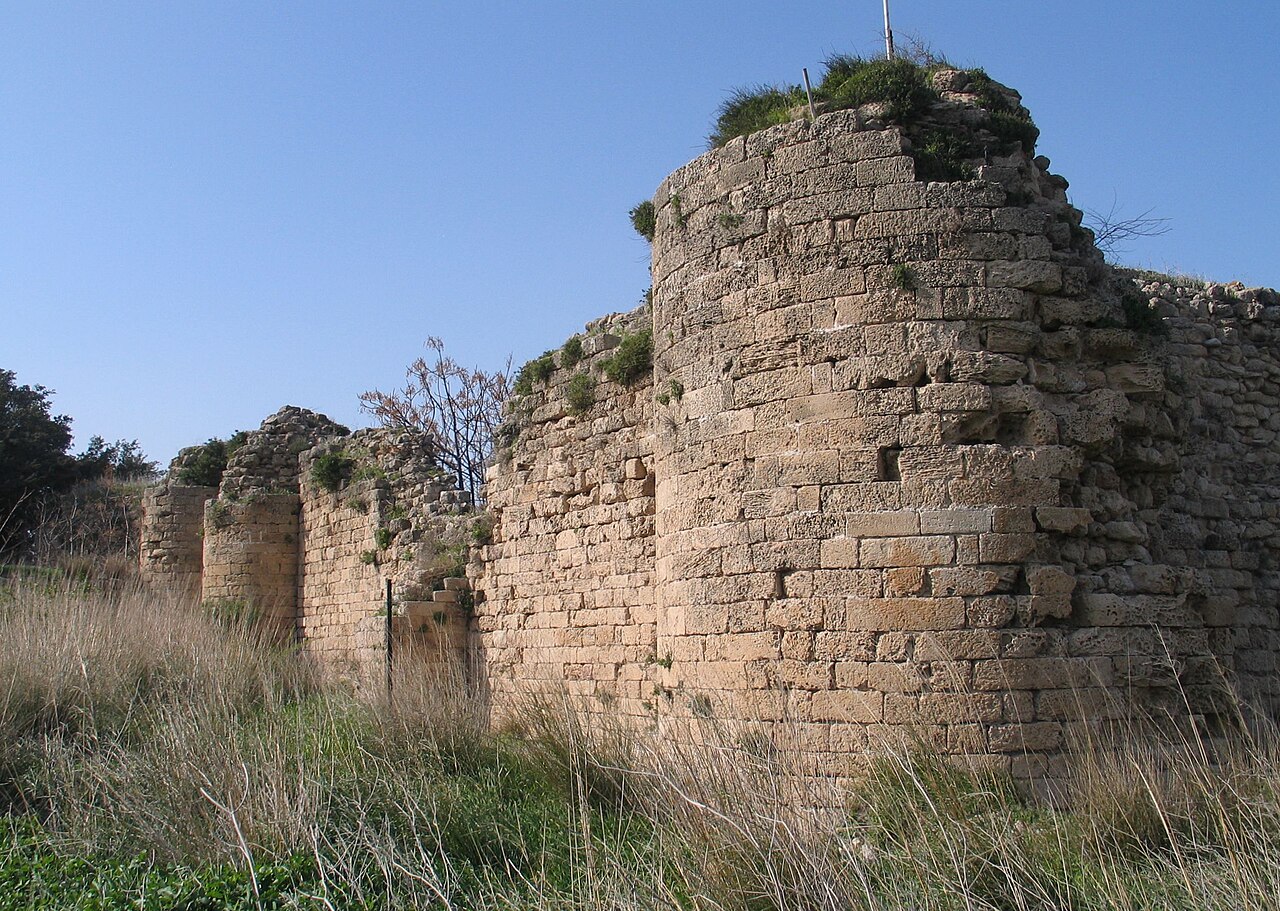
The design of Château Pèlerin reflects the High Medieval military architecture of the Crusader period, emphasizing massive walls, towers, and gatehouses. The fortress is surrounded by thick curtain walls, punctuated by numerous towers that provided overlapping fields of fire against attackers. The walls were constructed from local stone, with a focus on durability and defense against siege engines.
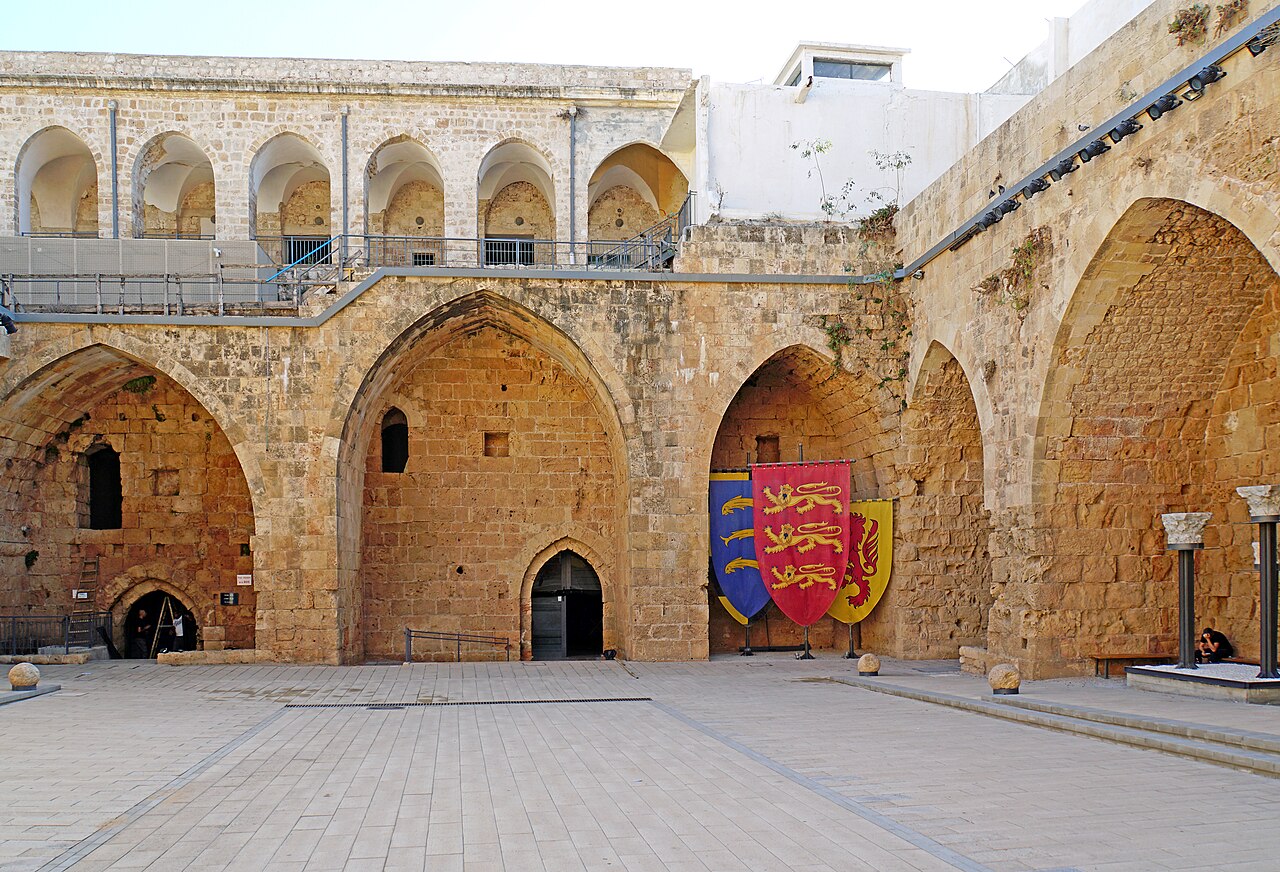
The fortress included a large keep or donjon, which served as the last line of defense and the residence of the commander. Inside the walls, there were extensive courtyards, cisterns for water storage, and barracks to accommodate the garrison. The layout was carefully planned to sustain a large military population during sieges.
Defensive innovations
Château Pèlerin's defenses incorporated a deep ditch or moat on the landward side, enhancing its protection against infantry assaults and siege engines. The fortress's gatehouses were heavily fortified with multiple portcullises and murder holes to repel attackers attempting to breach the entrance. The design prioritizes defensive massiveness over ornamental features, a characteristic noted by military historian T. E. Lawrence, who remarked on its imposing but somewhat utilitarian architecture.
Post-crusader history and transformations
After the Crusaders lost Château Pèlerin in 1291, the fortress remained largely intact for several centuries. In the 14th century, it became a settlement for a significant group of Oirat Mongols, indicating its continued strategic or residential importance in the region.
During the early Ottoman period in the 16th century, the site was recorded in tax registers as a port of call and agricultural farm, showing a shift from military to economic use. By the 19th century, the area had developed into a small fishing village under the influence of the local al-Madi family.
The fortress suffered damage during the Galilee earthquake of 1837, which affected many structures in the region. Despite this, significant portions of the walls and towers remain standing, providing valuable insight into Crusader military architecture.
Modern status and preservation
In the 20th century, the site was depopulated of its Palestinian inhabitants in 1948 amid the regional conflicts. Today, Château Pèlerin lies within the boundaries of the Atlit naval base, serving as a training zone for Israeli naval commandos. This military use has limited public access but has also contributed to the preservation of the fortress's structural integrity.
Despite restricted access, Château Pèlerin remains an important cultural and historical monument, exemplifying Crusader fortification techniques and the complex history of the Levant during the Middle Ages. Its well-preserved walls and towers offer a rare glimpse into the defensive strategies employed by the Crusaders and their military orders, particularly the Knights Templar.
Cultural and architectural legacy
Château Pèlerin is often cited as the "crowning example of Crusader military architecture" due to its scale, complexity, and state of preservation. The fortress illustrates the evolution of medieval fortification in response to the challenges of siege warfare and reflects the strategic priorities of the Crusader states in the Holy Land.
The fortress's massive construction contrasts with the more ornate European castles of the same period, highlighting the practical necessities of frontier defense. Its location on the Mediterranean coast also underscores the importance of maritime control in Crusader military strategy.
Frequently asked questions (FAQ)
- How do I visit Château Pèlerin?
- Château Pèlerin is located within the Atlit naval base, which restricts public access. Visitors should check with local authorities or tour operators for any special permissions or guided tours available.
- What is the historical importance of Château Pèlerin?
- Château Pèlerin was one of the last Crusader strongholds in the Holy Land, serving as a major military base and briefly the Crusader headquarters before its fall in 1291.
- When was Château Pèlerin built?
- The fortress was constructed starting in 1218 by the Knights Templar during the Fifth Crusade.
- Can I explore the architectural features of Château Pèlerin?
- While public access is limited, the fortress is known for its massive walls, towers, and fortifications that exemplify Crusader military architecture.
- Why did Château Pèlerin fall?
- The fortress fell in August 1291 to the forces of Al-Ashraf Khalil, marking the end of Crusader presence in the region after the Siege of Acre.
Photo gallery

Photo by Golf Bravo at Hebrew Wikipedia•Public domain
Information
Current owner
Israeli Navy
Loading map...
Visitor reviews
No reviews yet. Been here? Write the first review and help other travelers!
Write the first reviewVisited this castle? Share your experience
Your review helps other travelers and adds first-hand knowledge to our encyclopedia.