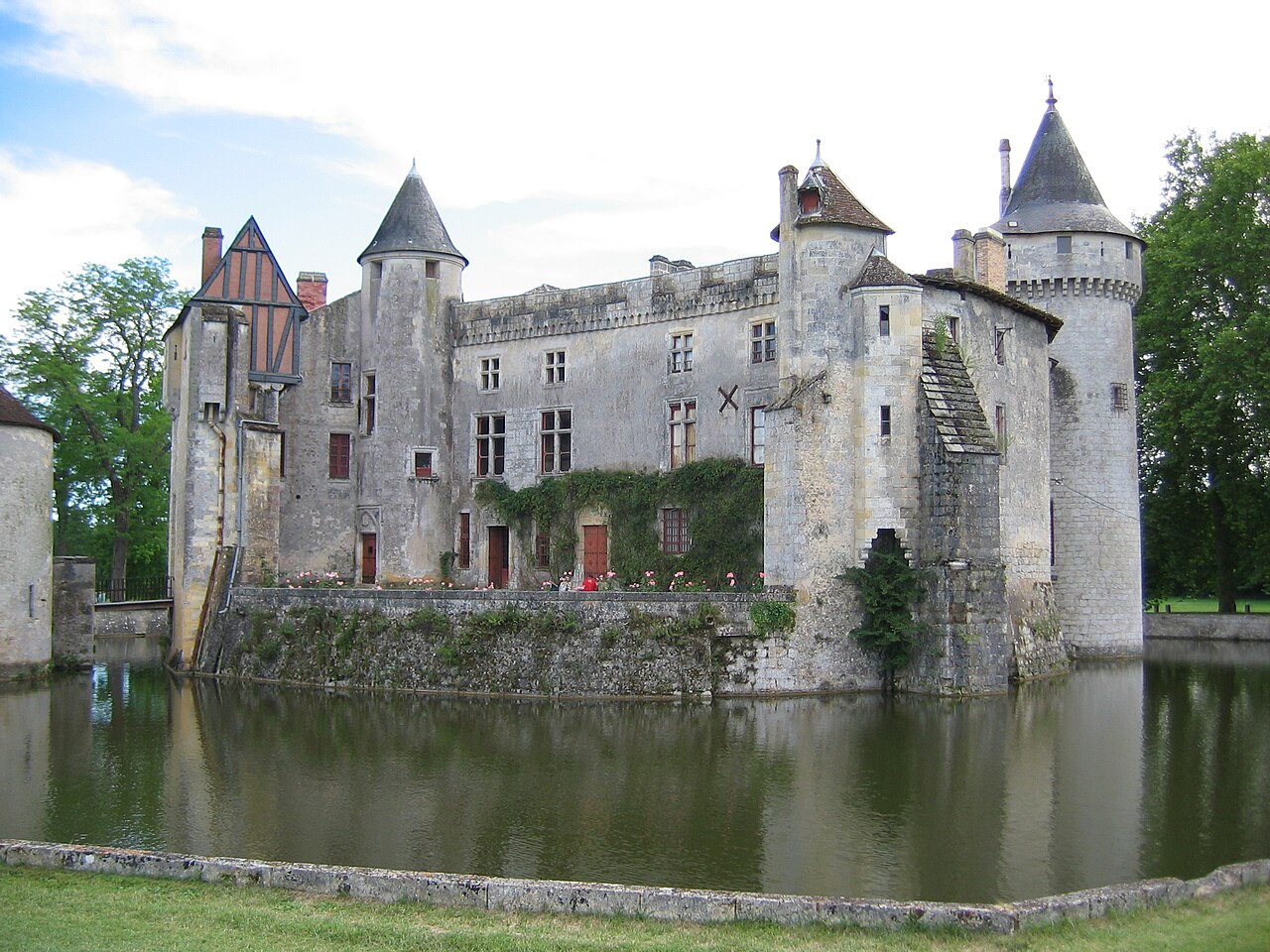
Château La Louvière
Château La Louvière is a distinguished Bordeaux wine estate located in the Pessac-Léognan appellation near Léognan, France. Known primarily for its wine production, the estate also features a notable 18th-century château that stands as a significant architectural and historical landmark in the region. The estate's history traces back to the late 15th century, making it one of the longstanding vineyards in Bordeaux with a heritage spanning several centuries.
The early origins and ownership
The earliest recorded vineyard planting on the estate dates to 1476 in an area called La Lobeyra, situated on land held by the Guilloche family since 1398. Over the first half of the 16th century, the estate expanded through acquisitions by Pierre de Guilloche and his son Jean de Guilloche, consolidating the property into a notable vineyard.
In 1618, the estate passed from the Guilloche family through Lady Roquetaillade, the heiress, who sold it to Arnaud de Gascq, abbot of the Abbey of Saint-Ferme. Shortly thereafter, in 1620, the property was donated to the Carthusian Order of Notre Dame de Miséricorde in Bordeaux. At this time, the estate was in a dilapidated condition but was restored under monastic management.
Monastic restoration and wine production
During the early 17th century, the monks revitalized both red and white wine production at Château La Louvière. Their wines were distributed beyond Bordeaux, reaching customers in Picardy, England, and Flanders. This period marked an important phase in the estate's development, blending agricultural renewal with expanding trade connections.
Impact of the French Revolution and subsequent ownership
The French Revolution brought significant change to the estate when, in November 1789, the Assemblée Nationale confiscated all church properties, including La Louvière. The estate was then auctioned in 1791 and purchased by Jean-Baptiste Mareilhac, a prominent Bordeaux wine merchant.
Mareilhac commissioned the construction of a modern château on the property, designed by the architect François Lhote. This château, embodying 18th-century architectural style, remains a prominent feature of the estate and has been recognized as a listed historical monument since 1991.
19th and 20th-century developments
The Mareilhac family maintained ownership throughout most of the 19th century, overseeing the estate's continued wine production and preservation of the château. From 1911 to 1944, Alfred Bertrand-Taquet managed the estate and also served as mayor of Léognan from 1919 until the onset of the Second World War.
Following the war, Château La Louvière experienced a period of neglect under absentee landlords, which affected both the vineyards and the château's condition.
Restoration and modern era
In 1965, the estate was acquired by André Lurton, a notable figure in Bordeaux wine circles. Lurton initiated extensive restoration efforts, revitalizing the château and rejuvenating the vineyards. His stewardship marked a new chapter, combining respect for the estate's heritage with modern winemaking techniques.
Architectural features of the château
The château designed by François Lhote typifies 18th-century French architecture with classical proportions and elegant detailing. The building's façade, rooflines, and window arrangements reflect the refined tastes of the period. Its designation as a historical monument emphasizes its cultural and architectural importance in the Bordeaux region.
Significance in Bordeaux wine culture
Château La Louvière holds a respected position within the Pessac-Léognan appellation, known for producing both high-quality red and white wines. The estate's long history of viticulture, dating back to the 15th century, underpins its reputation. The blend of historical legacy and modern winemaking continues to attract wine enthusiasts and connoisseurs worldwide.
Information
Loading map...
Visitor reviews
No reviews yet. Been here? Write the first review and help other travelers!
Write the first reviewVisited this castle? Share your experience
Your review helps other travelers and adds first-hand knowledge to our encyclopedia.