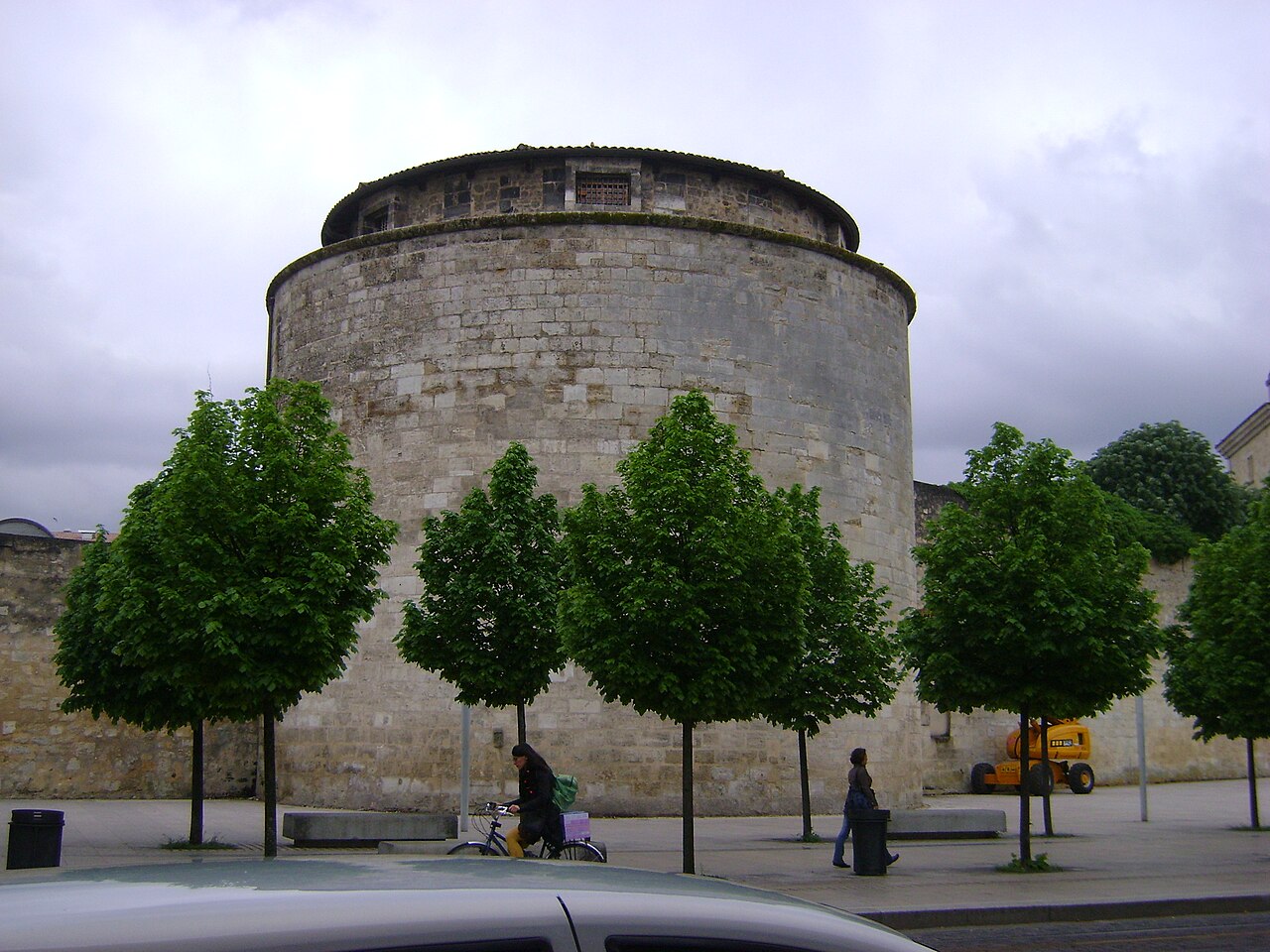
Château de Tauzia
Château de Tauzia is a distinguished example of the Bordeaux chartreuse architectural style, located in the Hauts-de-France region of France. This historic estate originated in the 18th century as a private country residence, reflecting the tastes and social status of French aristocratic and commercial families of the period. The château's evolution over time encapsulates significant architectural and historical developments from its initial construction through its 19th-century expansions and mid-20th-century restoration.
Origins and early history
The estate was initially established as a private property during the 18th century, with ownership passing through notable local families, including the Pomiès family. In 1768, Jean-Joseph de Castéra, a respected law professor and prominent figure in Bordeaux's legal circles, acquired the property. Around 1788, he commissioned the construction of a residence known as a chartreuse, a refined country mansion style typical of the Bordeaux region. This project was led by the celebrated architect Victor Louis, renowned for his neoclassical designs, with master mason Jean Alary overseeing the building work.
Before Castéra's acquisition, the estate had briefly belonged to Jacob Diaz Pereyra, a merchant of Portuguese-Jewish descent connected to Bordeaux's trading community, who owned it from 1784. The château's early ownership reflects the intersection of legal, commercial, and aristocratic influences in Bordeaux society.
Architectural features of the original structure
The original château is characterized by a single-story central building interrupted by a round hall or rotunda, which functions as the dining room. This rotunda is crowned with a dome and features elegant stucco decorations and a wooden mosaic parquet floor, showcasing the refined craftsmanship of the period. On either side of the central block are two single-story pavilions arranged symmetrically, creating a balanced and harmonious architectural composition.
19th-century expansions and landscaping
In the early 19th century, the château underwent significant enlargement under the ownership of Gustave Petersen, a merchant and diplomat who served as consul for Sweden and Norway. Petersen added two substantial wings to the original structure, rising to upper floors and extending the living space considerably. A courtyard porch featuring Ionic columns was also introduced, lending a classical grandeur to the entrance.
The roof is covered with slate tiles, and the silhouette is softened by balustrades that conceal the roofing, contributing to the château's stately profile. These architectural additions reflect the classical style popular in the 19th century and demonstrate a careful integration with the original 18th-century design.
Surrounding the château is an extensive English landscape garden spanning approximately twenty hectares. This park was designed by Louis-Bernard Fischer, a landscape architect known for his work on Bordeaux's public gardens. The garden emphasizes naturalistic shapes, open green spaces, and a harmonious blend of nature and architecture, contrasting with the château's formal structural elements.
Historical significance and wartime impact
During the Second World War, Château de Tauzia was occupied first by German and Italian military forces and later by members of the French Resistance, specifically the French Forces of the Interior in 1944. The estate suffered considerable damage during this period, which left it unoccupied for many years following the war.
The château's wartime history adds a layer of cultural and historical significance, reflecting its strategic and symbolic importance in the region during a turbulent era.
Restoration and preservation efforts
Restoration of Château de Tauzia began in 1960 under the direction of Hubert Calvet and his wife Marie-Amélie. Their gradual rehabilitation efforts aimed to preserve both the original 18th-century core and the 19th-century expansions, restoring the château's architectural integrity and historical character.
In recognition of its cultural and architectural value, the château was designated a protected historic monument in 1965. Today, it stands as a restored estate that retains its refined Bordeaux chartreuse form, its elegant rotunda dining room with decorative stucco and parquet flooring, and its expansive English landscape park.
Architectural and cultural importance
Château de Tauzia exemplifies the evolution of French country estates from the late 18th century through the 19th century. Its combination of an elegant chartreuse residence with classical expansions and a large landscaped park illustrates the changing tastes and social aspirations of its owners. The château's survival through wartime damage and subsequent restoration highlights the challenges and successes in preserving France's architectural heritage.
The estate remains a valuable example of regional architectural traditions and landscape design, offering insights into the lifestyle and cultural milieu of Bordeaux's elite across centuries.
Frequently asked questions (FAQ)
- How do I get to Château de Tauzia?
- Château de Tauzia is located in the picturesque region of France, easily accessible by car or public transportation. If you're traveling by train, the nearest station is just a short taxi ride away from the castle. Be sure to check local travel schedules for the best routes.
- What is the historical significance of Château de Tauzia?
- Château de Tauzia dates back to the 16th century and is renowned for its rich history intertwined with the French nobility. The castle has witnessed numerous historical events and has been well-preserved to reflect the architectural styles of its time. Visitors can explore its fascinating past through guided tours and informative displays.
- When was Château de Tauzia built?
- The construction of Château de Tauzia began in 1540 and was completed by the end of the 16th century. It was built during the Renaissance period, showcasing the elegance and artistic achievements of that era. Its design features elements typical of Renaissance architecture, making it a significant historical landmark.
- Can I take guided tours of Château de Tauzia?
- Yes, guided tours of Château de Tauzia are available and highly recommended for a deeper understanding of its history and architecture. These tours are led by knowledgeable guides who share intriguing stories and details about the castle. It is advisable to book your tours in advance, especially during peak tourist seasons.
- Why is the architecture of Château de Tauzia unique?
- The architecture of Château de Tauzia is characterized by its striking Renaissance style, featuring intricate stone carvings and elegant facades. The castle's design reflects the artistic innovations of its time, with a blend of functionality and beauty. Visitors can admire the grand halls and exquisite details that showcase the craftsmanship of the period.
- Is it possible to access Château de Tauzia for individuals with disabilities?
- Yes, Château de Tauzia is committed to providing accessibility for all visitors. There are pathways and facilities designed to accommodate individuals with mobility challenges. However, it’s recommended to contact the castle in advance to confirm specific accessibility options.
- What are the opening hours for Château de Tauzia?
- Château de Tauzia is typically open to visitors from 10 AM to 6 PM, with extended hours during the summer months. It is closed on certain holidays, so it’s best to check the official website for the most current hours before planning your visit. Arriving early allows you to enjoy the grounds more peacefully.
- What are the ticket prices for visiting Château de Tauzia?
- Ticket prices for Château de Tauzia vary based on age and group size, with discounts available for students and seniors. General admission is reasonably priced, ensuring that visitors of all backgrounds can enjoy the historical site. Be sure to check for any special events that may have different pricing.
- When is the best time to visit Château de Tauzia?
- The best time to visit Château de Tauzia is during the spring and early autumn when the weather is mild and the gardens are in full bloom. These seasons also tend to have fewer crowds, allowing for a more enjoyable experience. Summer can be busy, but it offers vibrant events and activities at the castle.
- Are there any nearby attractions to Château de Tauzia?
- Yes, there are several attractions near Château de Tauzia, including beautiful vineyards and charming villages that showcase the local culture. Visitors can also explore nearby historical sites and parks, making it a perfect day trip destination. Be sure to take some time to enjoy the stunning landscapes of the French countryside.
Information
Website
Visit websiteSources & official resources
Verify the information above using these authoritative references.
Loading map...
Visitor reviews
No reviews yet. Been here? Write the first review and help other travelers!
Write the first reviewVisited this castle? Share your experience
Your review helps other travelers and adds first-hand knowledge to our encyclopedia.