Château Frontenac
Château Frontenac stands as a distinguished castle-style hotel prominently located in Quebec City, Canada. It is widely recognized as one of the most photographed hotels worldwide due to its commanding presence atop a tall cape overlooking the Saint Lawrence River. This strategic location not only offers spectacular views extending for several kilometers but also makes Château Frontenac a defining feature of the Quebec City skyline.
The hotel was originally designed by American architect Bruce Price and opened its doors in 1893. It was part of a series of grand hotels constructed by the Canadian Pacific Railway company (CPR) during the late 19th and early 20th centuries. These hotels were built in the distinctive château architectural style, which drew inspiration from French Renaissance castles, aiming to evoke a sense of grandeur and luxury. The Château Frontenac's design includes steeply pitched roofs, ornate gables, and multiple turrets, elements characteristic of the château style that blend European castle aesthetics with modern hotel functionality.
Architectural evolution and expansions
While Bruce Price laid the foundation of the hotel’s initial design, significant expansions were undertaken in the early 20th century. The most notable addition was the central tower, completed in 1924, designed by Canadian architect William Sutherland Maxwell. This tower elevated the hotel’s profile and added to its vertical emphasis, making it an even more dominant landmark. The building now rises to 18 floors with a capacity exceeding 600 rooms, accommodating a wide range of guests from luxury tourists to dignitaries.
Historical significance and notable events
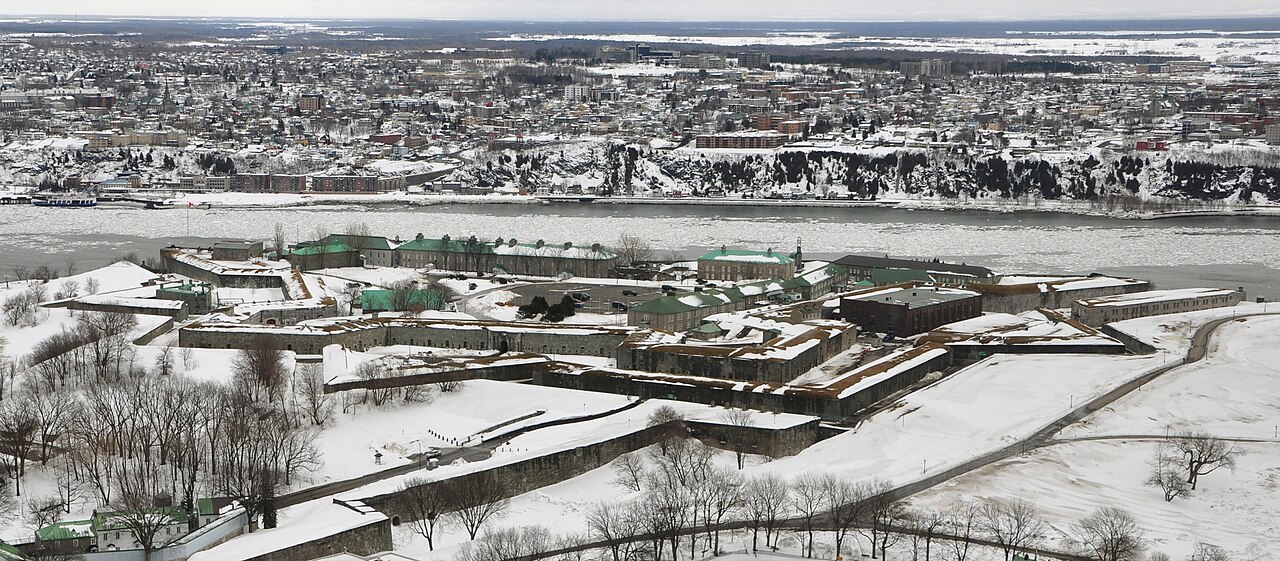
The Château Frontenac is named after Louis de Buade, Count of Frontenac, who served as governor of the colony of New France during two terms in the late 17th century. The hotel’s location near the historic Citadelle of Quebec links it directly to the region’s colonial past, as Frontenac himself initiated the construction of the Citadelle at the end of the 1600s.
During World War II, the Château Frontenac played a key role as the venue for the Quebec Conferences of 1943 and 1944. These high-level meetings involved Allied leaders such as Winston Churchill, Franklin D. Roosevelt, and Canadian Prime Minister William Lyon Mackenzie King. The conferences focused on strategic planning for the war effort, underscoring the hotel’s importance beyond hospitality to international diplomacy and wartime history.
Design features and hotel amenities
The Château Frontenac’s architecture reflects a blend of historicism and modern luxury. Its steeply pitched copper roofs and ornate dormer windows contribute to its castle-like silhouette. The hotel’s interior features lavish public spaces including grand halls, ballrooms, and elegant guest rooms designed to cater to affluent travelers. Over the decades, the hotel has undergone renovations to maintain its historical character while upgrading facilities to meet contemporary standards.
Location and cultural importance
Situated in Quebec City’s historic district, the Château Frontenac overlooks the Saint Lawrence River, providing guests with panoramic views of the waterway and the city’s old town. Its position on a cape enhances its visibility, making it a symbol of Quebec’s heritage and a major tourist attraction. The hotel contributes significantly to the cultural landscape, linking the city’s colonial past with its modern identity.
Preservation and current status
The Château Frontenac remains a well-preserved and operational hotel, managed with attention to its historical and architectural significance. It continues to welcome visitors from around the world, offering a unique experience that combines historical grandeur with modern luxury. The hotel is a designated heritage site, ensuring ongoing conservation efforts to protect its distinctive château style and historical fabric.
Legacy of the canadian pacific railway hotels
The Château Frontenac is part of a larger network of grand hotels developed by the Canadian Pacific Railway, which aimed to promote luxury tourism across Canada. This network includes other notable hotels like the Banff Springs Hotel, opened six years earlier, which shares similar architectural motifs. These hotels were instrumental in shaping Canada’s tourism industry and are celebrated for their distinctive château-style architecture, which blends European influences with Canadian landscapes.
Overall, the Château Frontenac is more than just a hotel; it is an architectural icon that embodies the history, culture, and development of Quebec City. Its château-style design, historical associations, and role in international events make it a landmark of both Canadian heritage and global significance.
Frequently asked questions (FAQ)
- What is Château Frontenac known for?
- Château Frontenac is renowned for being one of the most photographed hotels in the world and a UNESCO World Heritage Site. Its stunning architecture and historical significance make it a symbol of Quebec City, offering a glimpse into the rich history of the region.
- When was Château Frontenac built?
- Château Frontenac was originally constructed in 1893 and has undergone several renovations since. It was designed to accommodate the railway and is a prime example of the Châteauesque style of architecture.
- Can I visit Château Frontenac without staying overnight?
- Yes, visitors can explore the public areas of Château Frontenac even if they are not guests. You can enjoy the historic ambiance, dine in its restaurants, or take guided tours to learn more about its history and architecture.
- What are the opening hours for Château Frontenac?
- Château Frontenac is open year-round, but specific hours may vary depending on the season and events. It is advisable to check the official website for the most current visiting hours before planning your trip.
- Is it possible to take a guided tour of Château Frontenac?
- Yes, guided tours of Château Frontenac are available, providing insights into its history, architecture, and the stories of notable guests. These tours are a great way to enhance your visit and learn more about this iconic landmark.
- What is the best time to visit Château Frontenac?
- The best time to visit Château Frontenac is during the spring and fall when the weather is mild and the surrounding scenery is particularly beautiful. However, winter offers a magical atmosphere with festive decorations and potential snow activities in Quebec City.
- Are there any nearby attractions to Château Frontenac?
- Yes, Château Frontenac is located near many attractions, including the historic Old Quebec, the Citadel, and the Plains of Abraham. Visitors can easily explore these sites on foot, making it a convenient starting point for your trip.
- How much do tickets cost to visit Château Frontenac?
- There is no admission fee to enter Château Frontenac; however, prices may apply for guided tours or dining experiences within the hotel. Be sure to check for any seasonal events or special exhibitions that may have separate ticket prices.
- Is Château Frontenac accessible for visitors with disabilities?
- Château Frontenac is committed to providing accessibility for all visitors. The hotel features ramps and elevators, making it easier for guests with mobility challenges to enjoy the facilities and participate in tours.
Information
Website
Visit websiteSources & official resources
Verify the information above using these authoritative references.
Loading map...
Visitor reviews
No reviews yet. Been here? Write the first review and help other travelers!
Write the first reviewVisited this castle? Share your experience
Your review helps other travelers and adds first-hand knowledge to our encyclopedia.