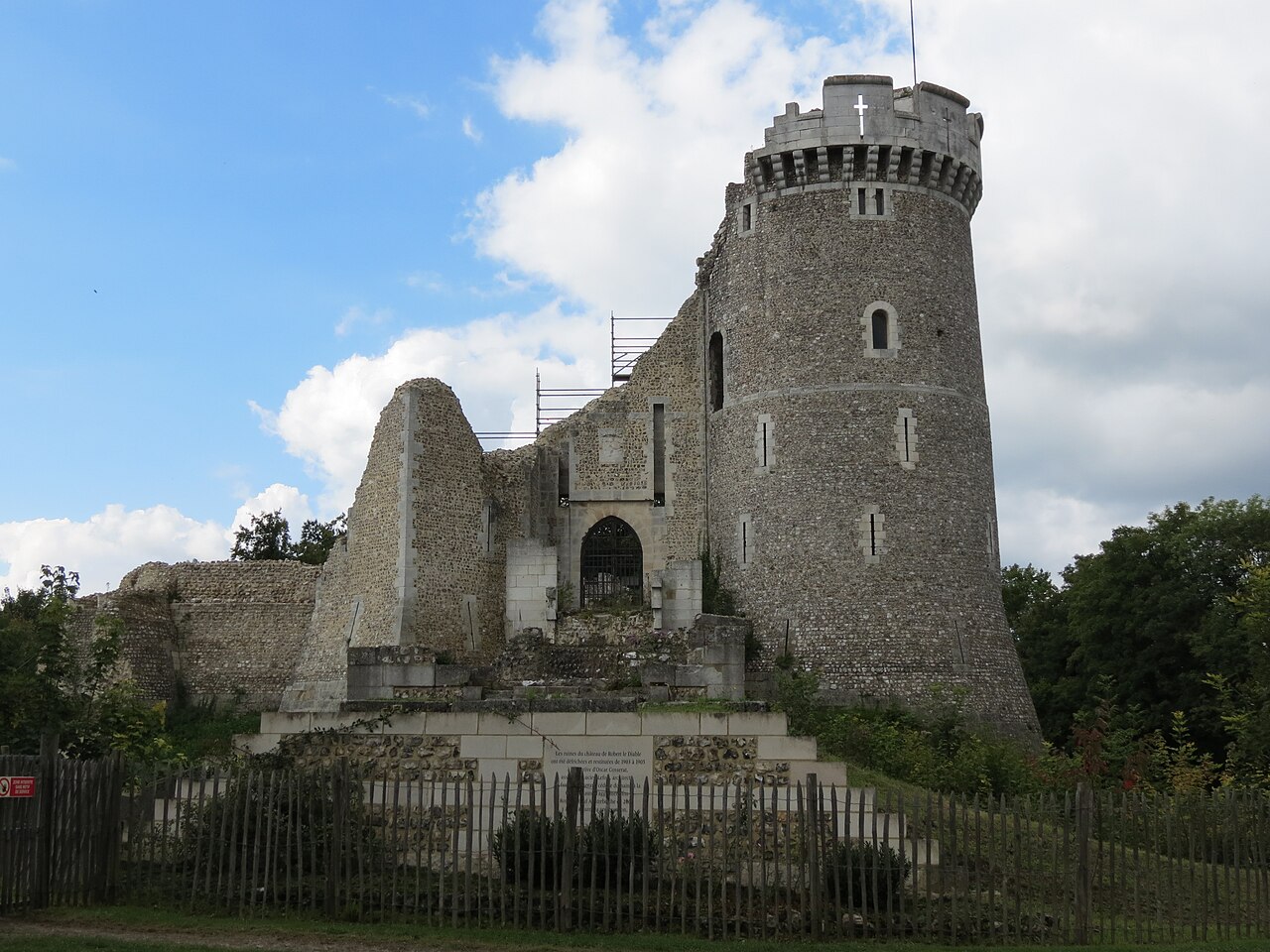
Château d'Yville
The Château d'Yville is a distinguished example of 18th-century French architecture located in Yville-sur-Seine, France. Constructed between 1723 and 1735, this château was built on the site of a 15th-century mansion that was destroyed by fire in 1708. The current structure reflects the elegance and refinement of the post-Renaissance period, embodying the architectural trends and landscaping ideals of its era.
Historical background and origins
The original mansion on the site dated back to the 15th century, serving as a noble residence in the Normandy region. Unfortunately, it was destroyed in 1708, likely due to a significant fire. The decision to rebuild the château in the early 18th century led to the creation of the current structure, which was completed over a twelve-year period. This rebuilding phase coincided with a time in France when aristocratic estates were being transformed to reflect contemporary tastes influenced by the Age of Enlightenment.
Architectural features and style
The Château d'Yville exhibits characteristics typical of the post-Renaissance architectural style, which in France often blends classical elements with emerging Baroque influences. The château's design emphasizes symmetry, proportion, and harmony, with a restrained decorative approach compared to earlier Renaissance exuberance.
Key architectural elements include a balanced façade, large windows allowing ample natural light, and a steeply pitched roof common to Normandy châteaux. The building materials primarily consist of local stone, contributing to the château's integration with its natural surroundings.
Gardens and parkland
One of the château's most notable features is its magnificent park and gardens. These expansive grounds were designed in the French formal garden tradition, with geometric layouts, manicured lawns, and carefully arranged tree lines. The gardens complement the château's architecture, creating a harmonious estate that reflects the refined tastes of its owners.
Ownership and current status
The château and its domain remain privately owned, which limits public access. It is generally closed to visitors, preserving its status as a private residence and estate. Despite this, the château is recognized for its cultural and historical significance within the Normandy region.
Significance in regional heritage
The Château d'Yville contributes to the rich tapestry of Normandy's architectural heritage, representing the transition from medieval noble residences to more modern aristocratic estates. Its preservation offers insight into the architectural and landscaping trends of the early 18th century in France.
Though not widely accessible, the château is an important landmark for historians and enthusiasts interested in French châteaux, post-Renaissance architecture, and the evolution of noble estates in Normandy.
Frequently asked questions (FAQ)
- How do I get to Château d'Yville?
- Château d'Yville is located in Yville-sur-Seine, France, and can be easily accessed by car or public transportation. If you're traveling by train, the nearest station is just a short taxi ride away. Make sure to check local transit schedules for the most convenient options.
- What is the historical significance of Château d'Yville?
- Château d'Yville dates back to the 17th century and is a remarkable example of French Renaissance architecture. It has played a vital role in the region's history, serving as a residence for notable figures and a site for significant events. Today, it stands as a testament to the rich cultural heritage of the area.
- When was Château d'Yville built?
- The construction of Château d'Yville began in the early 1600s and was completed later in the century. Its design reflects the elegance and grandeur of the Renaissance period, showcasing intricate details and beautiful gardens. The castle has undergone various restorations to preserve its historical integrity.
- Can I take guided tours of Château d'Yville?
- Yes, guided tours are available at Château d'Yville, offering visitors an in-depth look at its history and architecture. Tours are conducted by knowledgeable guides who share fascinating stories and insights about the castle. It is recommended to book your tour in advance, especially during peak tourist seasons.
- Why is the architecture of Château d'Yville important?
- The architecture of Château d'Yville is significant as it embodies the transition between medieval and Renaissance styles, showcasing elegant lines and symmetry. The castle features beautifully designed facades and intricate interior details, making it a prime example of its era. Architectural enthusiasts will find much to admire in its structure and design.
- Is it possible to host events at Château d'Yville?
- Yes, Château d'Yville offers facilities for hosting various events, including weddings, corporate gatherings, and private parties. The stunning backdrop of the castle and its gardens provides a unique setting for memorable occasions. For more details on booking and services, it is best to contact the castle management directly.
- What are the opening hours for Château d'Yville?
- Château d'Yville is typically open to visitors from 10 AM to 6 PM, Tuesday through Sunday. However, it is closed on Mondays and certain public holidays. Always check the official website or contact the castle for the most up-to-date information on opening hours.
- What are the ticket prices for visiting Château d'Yville?
- Ticket prices for Château d'Yville vary depending on the age of the visitor and any special exhibitions. Generally, adults can expect to pay a modest entrance fee, while discounts are often available for students and seniors. Group rates may also be offered, so it's worth inquiring if you're planning to visit with a large party.
- What is the best time to visit Château d'Yville?
- The best time to visit Château d'Yville is during the spring and fall when the weather is mild and the gardens are in full bloom. Summer can be quite busy with tourists, while winter may limit access due to weather conditions. Planning your visit during the shoulder seasons allows for a more relaxed experience.
- Are there nearby attractions to visit along with Château d'Yville?
- Yes, there are several nearby attractions to explore while visiting Château d'Yville, including picturesque villages and scenic walking trails along the Seine River. Additionally, the region is home to other historical sites and museums that showcase the rich culture of Normandy. Make a day of it by discovering the beauty and history of the surrounding area.
Information
Website
Visit websiteSources & official resources
Verify the information above using these authoritative references.
Loading map...
Visitor reviews
No reviews yet. Been here? Write the first review and help other travelers!
Write the first reviewVisited this castle? Share your experience
Your review helps other travelers and adds first-hand knowledge to our encyclopedia.