Château du Verduron

Château du Verduron in Marly-le-Roi, France
Marly-le-Roi, France
Renaissance (15th–17th c.)

The Château du Verduron stands as a notable example of French Renaissance architecture, originally constructed in 1665. Located in Marly-le-Roi, a suburb west of Paris, this estate has a layered history marked by ownership from significant figures tied to the French monarchy and cultural life. The château's origins and architectural evolution reflect the shifting tastes and social status of its occupants over several centuries.

Historical ownership and significance

The château first gained prominence through Louis Blouin, who served as the head valet to Louis XIV from 1704 until 1715. Blouin's connection to the royal court elevated the estate's status during the early 18th century. Before Blouin, the property was linked to the Montmorency family during the Middle Ages, a powerful noble lineage with deep roots in French history.

In the early 18th century, the estate was owned by the family of Léon Bierry, specifically his daughter and her husband, Fresson, an attorney at the parliament of Versailles. The Fressons are credited with significant modifications to the château, transforming it from a modest one-story structure into a more elaborate residence. Following their tenure, ownership transferred to César-Pierre Landais de Soisel, a councilor and secretary to Louis XIV, who leased the château to Blouin for life in 1726.

Later, the château was owned by Victorien Sardou, a renowned French dramatist and mayor of Marly-le-Roi, adding a cultural dimension to its history. Sardou's association with the estate highlights its role not only as a noble residence but also as a site of artistic and civic importance.

Architectural evolution and restoration

The original building was commissioned by a Parisian named Guillaume in 1665, initially designed as a simple one-story structure. Over time, the château underwent various modifications, particularly during the Fresson family's occupancy, which expanded and enhanced the building's form and function.

The château's architecture embodies elements typical of the French Renaissance style, characterized by symmetry, classical proportions, and refined decorative details. While specific architectural plans from the original construction are scarce, the building's layout and stylistic features reflect the transition from the Renaissance to early Baroque influences prevalent in 17th-century France.

In the early 21st century, the château was acquired by SCI Le Verduron, which commissioned the architectural firm COGEMAD to undertake a comprehensive restoration. This project aimed to preserve the historical integrity of the château while adapting it for modern use, ensuring the survival of its architectural heritage and enhancing its cultural value.

The château's place in Marly-le-Roi and cultural heritage

Situated in Marly-le-Roi, an area known for its royal connections and historic estates, the Château du Verduron contributes to the region's rich architectural landscape. The estate's proximity to the Palace of Versailles and its association with court officials link it closely to the history of French monarchy and governance.

Throughout its history, the château has served various roles, from noble residence to cultural landmark. Its association with figures like Louis Blouin and Victorien Sardou underscores its significance beyond architecture, touching on social history and the arts.

Architectural features and layout

The château features a balanced façade typical of Renaissance design, with orderly window placement and classical detailing. The original one-story core was expanded vertically and horizontally over time, incorporating additional rooms and decorative elements such as stone cornices and pilasters.

While the estate does not feature extensive fortifications typical of medieval castles, its design emphasizes elegance and residential comfort, reflecting its function as a country house for court officials rather than a military fortress.

Preservation and public access

Today, the Château du Verduron is recognized for its well-preserved Renaissance architecture, thanks to the careful restoration efforts led by COGEMAD. Although primarily a private property, its historical and architectural importance makes it a subject of interest for scholars and enthusiasts of French heritage.

Access to the château is limited, but its presence enriches the cultural fabric of Marly-le-Roi and serves as a tangible connection to the region's aristocratic and artistic past.

Frequently asked questions (FAQ)

How do I get to Château du Verduron?
Château du Verduron is located in Marly-le-Roi, France, and is easily accessible by public transport. You can take the RER A train to the Marly-le-Roi station, which is just a short walk from the castle. Alternatively, there are bus services that connect to the surrounding areas for those driving.
What is the historical significance of Château du Verduron?
Château du Verduron, dating back to the 17th century, was originally built as a residence for the nobility and has played a role in various historical events. It reflects the architectural styles of its time and has been a witness to the cultural shifts in France. Today, it stands as a testament to the rich history of the region.
When was Château du Verduron built?
Construction of Château du Verduron began in the late 1600s and was completed in the early 1700s. It was designed in the classical style, characteristic of that era, and showcases the elegance of French aristocratic architecture. Over the centuries, it has undergone several renovations while preserving its historical essence.
Can I take guided tours of Château du Verduron?
Yes, guided tours of Château du Verduron are available and highly recommended for visitors who wish to learn more about its history and architecture. Tours typically run on weekends and during peak tourist seasons. It’s advisable to book in advance to secure your spot.
Why is the architecture of Château du Verduron noteworthy?
The architecture of Château du Verduron is noteworthy for its classical design and intricate detailing that exemplifies 17th-century French nobility styles. The castle features grand facades, ornate interiors, and beautiful gardens that attract architecture enthusiasts. Its design reflects the strategic importance and aesthetic preferences of its time.
Is it possible to host events at Château du Verduron?
Yes, Château du Verduron can be rented for private events, including weddings and corporate gatherings. The picturesque setting and historical ambiance make it a unique venue. Interested parties should contact the castle administration for details on availability and pricing.
What are the opening hours for Château du Verduron?
Château du Verduron is typically open to visitors from 10 AM to 6 PM, Wednesday through Sunday. It is closed on Mondays and Tuesdays, as well as during certain holidays. It’s best to check the official website for any seasonal changes to the schedule.
What are the ticket prices for visiting Château du Verduron?
Ticket prices for Château du Verduron vary depending on age and group size, with discounts available for students and seniors. An adult ticket generally costs around €10, while children under 12 can enter for free. Special rates may apply for guided tours and events.
When is the best time to visit Château du Verduron?
The best time to visit Château du Verduron is during the spring and early fall when the weather is pleasant and the gardens are in full bloom. Additionally, these seasons typically see fewer crowds than the summer months. Planning your visit during weekdays can enhance your experience.
Are there nearby attractions to explore while visiting Château du Verduron?
Yes, there are several nearby attractions, including the beautiful Parc de Marly and the historic town of Marly-le-Roi. Visitors can also explore the surrounding forests and enjoy outdoor activities. The proximity to Paris makes it easy to combine a visit to the castle with other sightseeing opportunities.

Loading map...

Visitor reviews

No reviews yet. Been here? Write the first review and help other travelers!

Write the first review

Visited this castle? Share your experience

Your review helps other travelers and adds first-hand knowledge to our encyclopedia.
Write a review

(5/5)

0/2000 characters

Your review will be visible after admin approval

Nearby castles

0.7 km
Château de Marly — France castle

Château de Marly

Marly-le-Roi, France

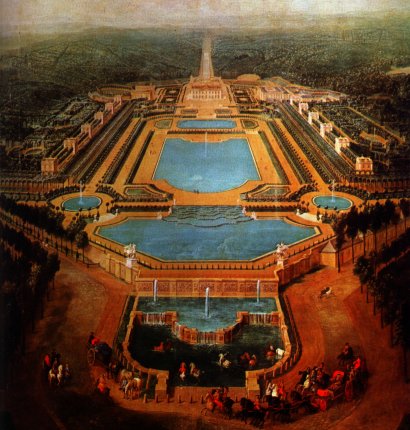
The Château de Marly was a distinctive French royal residence constructed in the 17th century during the reign of Louis XIV. Located in what is now Marly-le-Roi, a commune on the northern edge of the royal park west of the Palace of Versailles, the château served as a private retreat away from the formal court life of Versailles. Unlike the grand scale of Versailles, Marly offered a more intimate setting with small pavilions and simplified protocol, reflecting the king's desire for privacy and relaxation. Architectural design and layout The château complex was notable for its innovative architectural arrangement. Designed by Jules Hardouin-Mansart, the chief architect of Louis XIV, Marly consisted of twelve pavilions built in matching pairs. These pavilions flanked a series of central water features, including formal sheets of water connected by ornamental cascades. This water system was both decorative and functional, fed by a sophisticated hydraulic "machine" that also supplied water to Versailles. The use of water as a central element in the layout was a pioneering feature in French garden and palace design of the Renaissance and Baroque periods. The hydraulic machine The hydraulic system at Marly was a remarkable engineering feat of its time. It pumped water from the nearby Seine River to supply the fountains and cascades at both Marly and Versailles. This machine was an essential component of the estate's design, symbolizing the king's power over nature and technology. Unfortunately, the hydraulic machine was dismantled following the château's decline in the early 19th century. Historical context and royal use Louis XIV, known as the Sun King, used Château de Marly as a place to escape the rigid etiquette and large crowds of Versailles. The smaller scale of Marly allowed the king to entertain a select group of courtiers in a more relaxed atmosphere. Invitations to Marly were highly coveted, as the limited space meant fewer guests and less formal protocol. This exclusivity fostered intense competition among courtiers for access to the king's private retreat. The château's location near Versailles made it convenient for the king to move between his grand palace and his intimate getaway. The design of Marly reflected the evolving tastes of the French monarchy in the late 17th century, emphasizing comfort, privacy, and controlled social interaction. Decline and legacy After the French Revolution, the château was sold to a private owner around 1800. The new owner attempted to convert the estate into a factory, but the venture failed. As a result, the château was demolished in 1806, leaving only the foundations and remnants of the original structures. The site today is classified as archaeological ruins, with the notable remains of the pavillon du Roi at the top of the slope in Marly park. In 1807, Napoleon Bonaparte repurchased the estate, and it has since remained under state ownership. The park surrounding the ruins is accessible to the public, offering a glimpse into the history of this royal retreat. Château de Marly in cultural memory The château's legacy extends into modern culture, inspiring namesakes such as the French niche perfume house Parfums de Marly. This brand draws on the château's association with luxury, exclusivity, and French heritage. Despite its physical absence, Château de Marly remains an important symbol of the Sun King's reign and the architectural innovation of the late Renaissance period in France. Its design principles influenced later developments in French garden and palace architecture.

Renaissance (15th–17th c.)
Details
2.3 km

Château de Louveciennes

Louveciennes, France

Château de Louveciennes is a historic French residence located in Louveciennes, near Paris. Its origins date back to 1684, when King Louis XIV ordered its construction close to the Machine de Marly, an elaborate hydraulic system designed to pump water from the Seine to the Château de Marly. The château was initially granted to Baron Arnold de Ville, the engineer behind the hydraulic installation, marking its early connection to the era's innovative engineering feats.The château complex comprises the main building and the famous Pavillon de Louveciennes, a music pavilion set within a 19th-century landscaped park. The main château is an approximately cubic structure of modest size and appearance, situated along the chemin de la Machine, a location that inspired Impressionist painters such as Camille Pissarro and Alfred Sisley.Historical background and royal associationsAfter its construction, the château passed into the hands of Louise-Françoise de Bourbon, the eldest legitimised daughter of Louis XIV and his mistress Françoise-Athénaïs, marquise de Montespan. Upon her death in 1743, ownership transferred to her daughter, the Princesse de Conti, who notably introduced Madame de Pompadour to the royal court. The château later reverted to the crown, and in 1769, Louis XV gifted it to his new favourite, Madame du Barry.Madame du Barry commissioned Ange-Jacques Gabriel, the Premier Architecte du Roi, to enlarge and redecorate the château. Gabriel added an eastern wing and exquisite carved woodwork interiors, enhancing the château's elegance. The residence became known as the Château de Madame du Barry, and Louis XV frequently visited. It was here that Madame du Barry was arrested on 22 September 1793 during the French Revolution.Architectural features and modificationsThe main château is characterized by its cubic form and restrained exterior, reflecting the Renaissance architectural style prevalent at the time of its initial construction. The addition of the eastern wing by Gabriel introduced refined 18th-century decorative elements, including intricate wood carvings that exemplify the craftsmanship of the period.Madame du Barry found the château's reception spaces inadequate and lacking views of the Seine. To address this, she commissioned the construction of the Pavillon de Louveciennes, a separate small house designed to overlook the Seine valley and serve as reception rooms. The pavilion's design was entrusted to two prominent architects: Charles de Wailly and Claude Nicolas Ledoux. Despite some opposition, Madame du Barry chose Ledoux's innovative design. Construction began in 1771, and the pavilion was inaugurated on 2 September 1771 in the presence of King Louis XV.The Pavillon de LouveciennesThe pavilion is a notable example of early Neoclassical architecture, showcasing Ledoux's emerging style that would later influence French architectural developments. Its elegant design and strategic placement highlight the transition in architectural tastes from the ornate Rococo to the more restrained and geometric Neoclassicism.Later history and preservationFollowing the Revolution and Madame du Barry's arrest, the château underwent various changes in ownership and condition. In the 1980s, it was acquired by a Japanese woman and her French-American husband under controversial circumstances involving the company Nippon Sangyo. During this period, the château was neglected, its furniture sold off, and it suffered from occupation by squatters and degradation.In 1994, authorities intervened to prevent the removal of valuable architectural elements, such as joinery and chimneypieces. Subsequently, the château was sold to a French investor who undertook careful restoration efforts to preserve its historical and architectural integrity.Artistic significance and surroundingsThe château's location along the chemin de la Machine places it within a landscape that inspired Impressionist painters like Camille Pissarro and Alfred Sisley. The nearby Machine de Marly was an engineering marvel of the 17th century, and the château's association with this hydraulic system adds to its historical importance.The surrounding park, designed in the 19th century, provides a picturesque setting that complements the château and pavilion. The combination of historical architecture and natural beauty makes Château de Louveciennes a site of cultural heritage and architectural interest.Visiting Château de LouveciennesToday, Château de Louveciennes stands as a testament to French royal history and architectural evolution from the Renaissance through the Neoclassical period. Visitors can appreciate the château's modest yet elegant design, the artistic legacy of its surroundings, and the pioneering work of architects like Ange-Jacques Gabriel and Claude Nicolas Ledoux.The château's story reflects the complex social and political changes of France from the reign of Louis XIV to the Revolution and beyond, making it a valuable destination for those interested in history, architecture, and art.

Renaissance (15th–17th c.)
Details
2.4 km

Château de Monte-Cristo

Le Port-Marly, France

The Château de Monte-Cristo is a unique historic estate located in Le Port-Marly, France, famously associated with the celebrated French author Alexandre Dumas. This writer's house museum preserves the legacy of Dumas, who built the château in 1846 as a country retreat and a tribute to his literary success. Named after his internationally renowned novel The Count of Monte Cristo (1845–1846), the château reflects the author's creative spirit and fascination with romantic and exotic themes. Architectural design and construction The château was designed by the architect Hippolyte Durand, who created a building that combines eclectic stylistic elements with a romantic vision befitting Dumas' literary fame. The structure exhibits influences from 19th-century eclectic architecture, blending elements from various historical styles, including neo-Renaissance and exotic motifs. Durand also constructed a separate writing studio on the grounds, which Dumas named the Château d'If, after the infamous prison island featured in his novel. This studio provided Dumas with a secluded space to work on his writings within the estate's grounds. The château's literary significance As a physical manifestation of Dumas' literary achievements, the Château de Monte-Cristo is deeply intertwined with the author's life and works. The estate was intended not only as a residence but also as a symbol of his success and creativity. The naming of the château after The Count of Monte Cristo highlights the importance of this novel in his career, while the adjacent Château d'If studio reinforces the connection to his storytelling. The château served as a place where Dumas could immerse himself in his work and entertain guests in a setting inspired by his novels. Historical timeline and restoration efforts Despite its initial grandeur, Dumas' ownership of the château was relatively brief. Financial difficulties forced him to sell the property in 1848, just two years after its completion. Over the following decades, the château experienced periods of neglect and deterioration, particularly by the 1960s, when it fell into serious disrepair. Significant restoration efforts began later in the 20th century, notably supported by King Hassan II of Morocco, who financed the restoration of the château's distinctive Moorish room. This patronage helped preserve a key feature that reflects the exotic influences present in the château's design. Since 1994, comprehensive restoration projects have been undertaken to revive both the Château de Monte-Cristo and the Château d'If, along with their surrounding gardens. Current status and public access Today, the Château de Monte-Cristo operates as a public historic museum dedicated to commemorating the life and work of Alexandre Dumas. Visitors can explore the château's richly decorated interiors, including the Moorish room, as well as the writing studio and beautifully maintained gardens. The museum offers insight into Dumas' creative process and the architectural vision that made the estate a distinctive landmark of 19th-century French cultural heritage. Architectural features and garden design The château features a variety of architectural details that reflect its eclectic style. Notable elements include ornate façades, decorative stonework, and a blend of classical and exotic design motifs. The Moorish room stands out for its intricate tile work and detailed wood carvings, illustrating the influence of North African aesthetics on the château's interior decoration. The gardens surrounding the château are designed in the style of the period, combining formal French garden elements with more naturalistic landscaping. These grounds enhance the estate's romantic atmosphere and provide a scenic setting for visitors. Legacy of Alexandre Dumas and cultural importance The Château de Monte-Cristo remains a testament to Alexandre Dumas' enduring cultural impact. It embodies the intersection of literature, architecture, and personal history, offering a tangible connection to one of France's most beloved authors. The preservation of the château and its transformation into a museum ensure that Dumas' contributions to literature and French heritage continue to be celebrated and accessible to the public.

Modern (19th–20th c.)
Details

