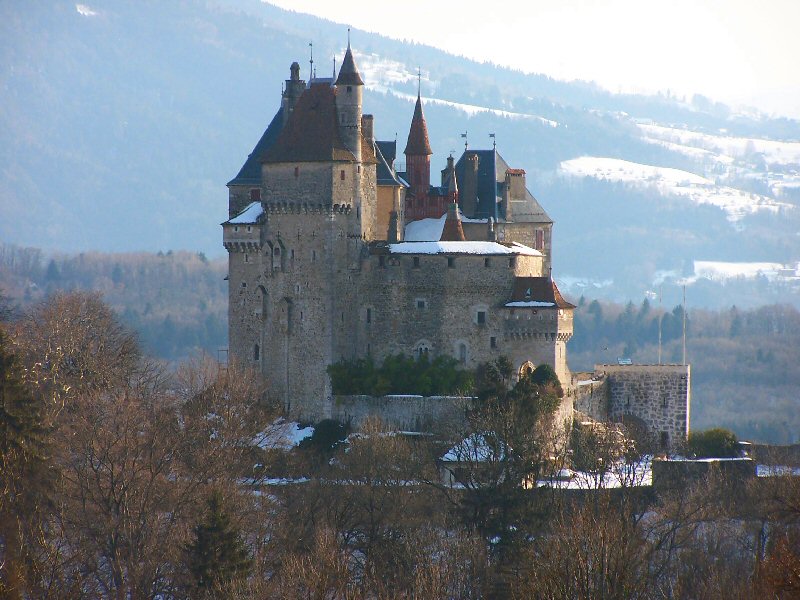
Château d’Héré
The Château d’Héré is a significant example of a late medieval fortified residence located in the region of Hauts-de-France. Originally constructed by the noble Dérée family in the late 14th century, this château embodies the architectural transition from the medieval period into the Renaissance era. It stands as a testament to the defensive and residential needs of local nobility during a time of political and military upheaval in northern France.
Historical background and ownership transitions
The earliest known structure on the Château d’Héré site dates back to the late 14th century. This initial building laid the foundation for the later fortified house erected at the end of the century. The main construction phase of the current château occurred between the late 15th and early 16th centuries, reflecting evolving architectural styles and fortification techniques characteristic of the late medieval period moving into the renaissance.
Ownership of the château changed hands through strategic marriages and inheritances. In 1539, Béatrix de Dérée married Michel de Chevron, transferring the estate into the Chevron Villette family. Later, between 1630 and 1648, the property passed to the Valpergue family, and subsequently to the Sales family. The Sales maintained possession until the French Revolution, during which the château was confiscated when revolutionary forces occupied the Duchy of Savoy, becoming state property.
After confiscation, the château was privately purchased in 1796 by J. Berthet. In 1839, it was sold to Scipion Ruphy, whose stepson, Francisque Frèrejean, inherited it later. Frèrejean initiated a significant restoration in the 19th century, adopting the neo-Gothic style popular at the time, which aimed to revive medieval architectural motifs with romanticized details.
In recognition of its architectural and historical value, the château, along with its grounds, enclosing walls, and associated buildings, was officially designated a historic monument in 2006. Earlier, in 1984, a 16th-century fresco found on the first floor and the adjacent barn were granted legal protection, underscoring the site's cultural significance.
Architectural features and defensive elements
The Château d’Héré is characterized by its large rectangular plan, typical of fortified houses from the late medieval period. It rises on a raised base with two main floors above a ground level, providing ample space for residential and defensive functions.
Two square towers are positioned symmetrically at the midpoint of the longer sides of the château. These towers are crowned with machicolations, which are projecting parapets with openings allowing defenders to drop projectiles or boiling substances on attackers below. The main entrance is similarly fortified, featuring a decorated portal with machicolations, emphasizing the château's defensive purpose.
Encircling the château is a braie, a defensive wall enclosing the courtyard and residential buildings, adding an extra layer of protection. Inside, a spiral staircase connects the floors vertically, while the large rooms are equipped with substantial fireplaces for heating and social gatherings. The ceilings display decorative wooden coffering, enhancing the interior's aesthetic.
The château's construction includes reused stones and structural elements from the original 14th-century building, demonstrating continuity and adaptation over time. Adjacent to the main building, a barn forms part of the historic complex, protected due to its age and association with the château.
Artistic and cultural heritage
One of the château's notable artistic features is the preserved 16th-century fresco located on the first floor. This artwork contributes to the cultural and historical depth of the residence, offering insight into the decorative practices of the period.
The château's restoration in the 19th century under Francisque Frèrejean introduced neo-Gothic architectural elements, reflecting the era's romanticized revival of medieval styles. This restoration helped preserve the château's structural integrity and historical character, bridging its medieval origins with later aesthetic movements.
Preservation and current status
Today, the Château d’Héré remains well preserved, with its main residential building, defensive towers, enclosing courtyard walls, and interior artworks maintained or restored. The site offers a comprehensive view of fortified domestic architecture from the late medieval period in the Savoy region.
The château's designation as a historic monument ensures ongoing protection and recognition of its architectural and historical importance. Visitors can appreciate the blend of medieval fortification features with Renaissance residential comforts and 19th-century restoration influences.
Frequently asked questions (FAQ)
- What are the opening hours of Château d’Héré?
- Château d’Héré is open to visitors from 10:00 AM to 6:00 PM daily, except for Mondays. It’s advisable to check the official website for any seasonal changes or special events that may affect these hours.
- Can I purchase tickets online for Château d’Héré?
- Yes, tickets for Château d’Héré can be purchased online through the official website. Buying tickets in advance is recommended to avoid long queues, especially during peak tourist seasons.
- When was Château d’Héré built?
- Château d’Héré was constructed in the late 17th century, showcasing the grandeur of French architecture of that era. Its rich history reflects the cultural and political significance of the period in which it was built.
- Is it possible to access Château d’Héré with a wheelchair?
- The Château d’Héré is committed to accessibility and offers facilities for visitors with mobility challenges. While some areas may have limitations due to historical preservation, staff are available to assist and provide alternative access routes.
- What is the historical significance of Château d’Héré?
- Château d’Héré played a vital role in the history of the region, serving as a residence for nobility and a site for various historical events. Its architecture and preservation reflect the artistic trends of the time, making it a valuable cultural heritage site.
- What are the best times to visit Château d’Héré?
- The best times to visit Château d’Héré are during the spring and early autumn months when the weather is mild, and the gardens are in full bloom. Visiting during weekdays can also help avoid larger crowds.
- Are there any nearby attractions to Château d’Héré?
- Yes, visitors to Château d’Héré can explore other nearby attractions such as the beautiful gardens of the Château de Villandry and the historic town of Amboise. These sites provide a wonderful opportunity to experience the rich cultural heritage of the Loire Valley.
- What are the ticket prices for Château d’Héré?
- The ticket prices for Château d’Héré are typically around €10 for adults and €5 for children aged 6 to 12. Discounts may be available for seniors and families, so it’s worth checking the website for current pricing and any special offers.
Information
Loading map...
Visitor reviews
No reviews yet. Been here? Write the first review and help other travelers!
Write the first reviewVisited this castle? Share your experience
Your review helps other travelers and adds first-hand knowledge to our encyclopedia.