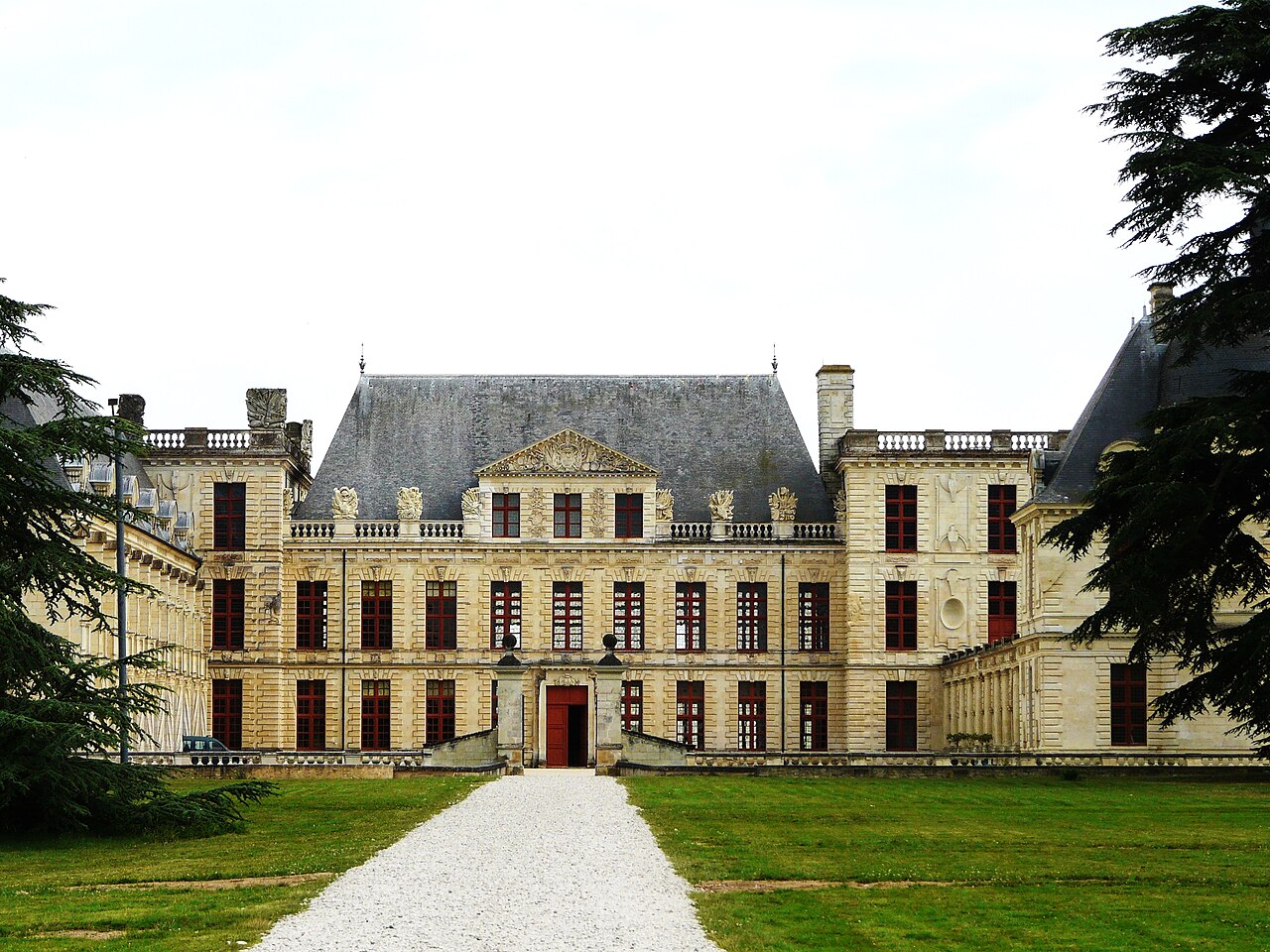
Château des Ducs de La Trémoille
The Château des Ducs de La Trémoille, located in Thouars, France, is a remarkable example of 17th-century Renaissance architecture built on a site with a long history of fortifications dating back to the 10th century. This castle occupies a strategic defensive position on a promontory overlooking the Thouet River, which historically provided natural protection and control over the surrounding region.
Historical background and early structures
The site has hosted several castles over the centuries, reflecting the evolving needs and tastes of its noble occupants. The earliest fortifications likely date from the Early Medieval period, serving as a stronghold for local lords. The current castle's origins are closely tied to the La Trémoille family, a powerful noble house in France. One of the most notable early contributions to the château complex is the chapel commissioned by Gabrielle de Bourbon, wife of Louis II de La Trémoille, constructed between 1503 and 1509. This chapel uniquely blends flamboyant Gothic elements in its lower structure with an upper gallery influenced by the Italian Renaissance, illustrating the transitional architectural styles of the period.
17th-century reconstruction and expansion
The castle underwent significant transformation in the early 17th century. Following the marriage of Henri de La Trémoille to Marie de La Tour d'Auvergne in 1619, the duchess took an active role in developing the estate. In 1628, she and her intendant, the sieur d'Iray, oversaw the construction of a small pavilion, marking the beginning of a series of enhancements. By 1635, the duchess commissioned the South pavilion to serve as her private apartments.
Recognizing the need for a grander residence, she later ordered the construction of a new, more luxurious castle to replace the older medieval structure. Construction began in 1638, resulting in a palatial building renowned for its impressive 110-meter long façade and a spacious cour d'honneur (main courtyard) surrounded by galleries extending 70 meters on each side. This layout exemplifies the Renaissance ideals of symmetry, proportion, and the integration of indoor and outdoor spaces.
Architectural features and layout
The château complex includes several key components: the main building, an inner courtyard, an orangery, a chapel, and stables. The southern side of the castle opens onto formal gardens and the orangery, which was designed to shelter exotic plants during colder months, reflecting the Renaissance interest in botany and leisure.
The outbuildings, including the stables, were initially unfinished but were later completed to complement the estate's grandeur. The castle's design incorporates elements typical of French Renaissance architecture, such as large windows, classical pilasters, and decorative stonework, while retaining some medieval defensive features due to its strategic location.
The chapel's stylistic significance
The chapel remains one of the most architecturally significant parts of the château. Its lower section exhibits the intricate stone tracery and pointed arches characteristic of flamboyant Gothic style, while the upper gallery showcases Renaissance influences with classical columns and harmonious proportions. This blend highlights the transitional period in French architecture when Gothic traditions gradually gave way to Renaissance humanism and classical revival.
Role and status in French history
During the 17th century, the Château des Ducs de La Trémoille was considered one of the most important noble residences in France. Its scale and elegance reflected the power and prestige of the La Trémoille family. The castle's location on a defensive promontory also underscored its strategic importance in regional politics and military history.
While the castle has not been the site of major battles in recent centuries, its architecture and history provide insight into the evolution of French noble residences from fortified medieval castles to Renaissance palaces emphasizing comfort and display.
Current status and visitor information
Today, the château is open to the public during the summer season, allowing visitors to explore its richly decorated interiors, extensive galleries, and the surrounding gardens. The preservation of the chapel and other original features offers a tangible connection to the castle's layered history.
The estate serves as a cultural landmark in Thouars, attracting tourists interested in French Renaissance architecture, noble history, and the artistic heritage of the region.
Information
Loading map...
Visitor reviews
No reviews yet. Been here? Write the first review and help other travelers!
Write the first reviewVisited this castle? Share your experience
Your review helps other travelers and adds first-hand knowledge to our encyclopedia.