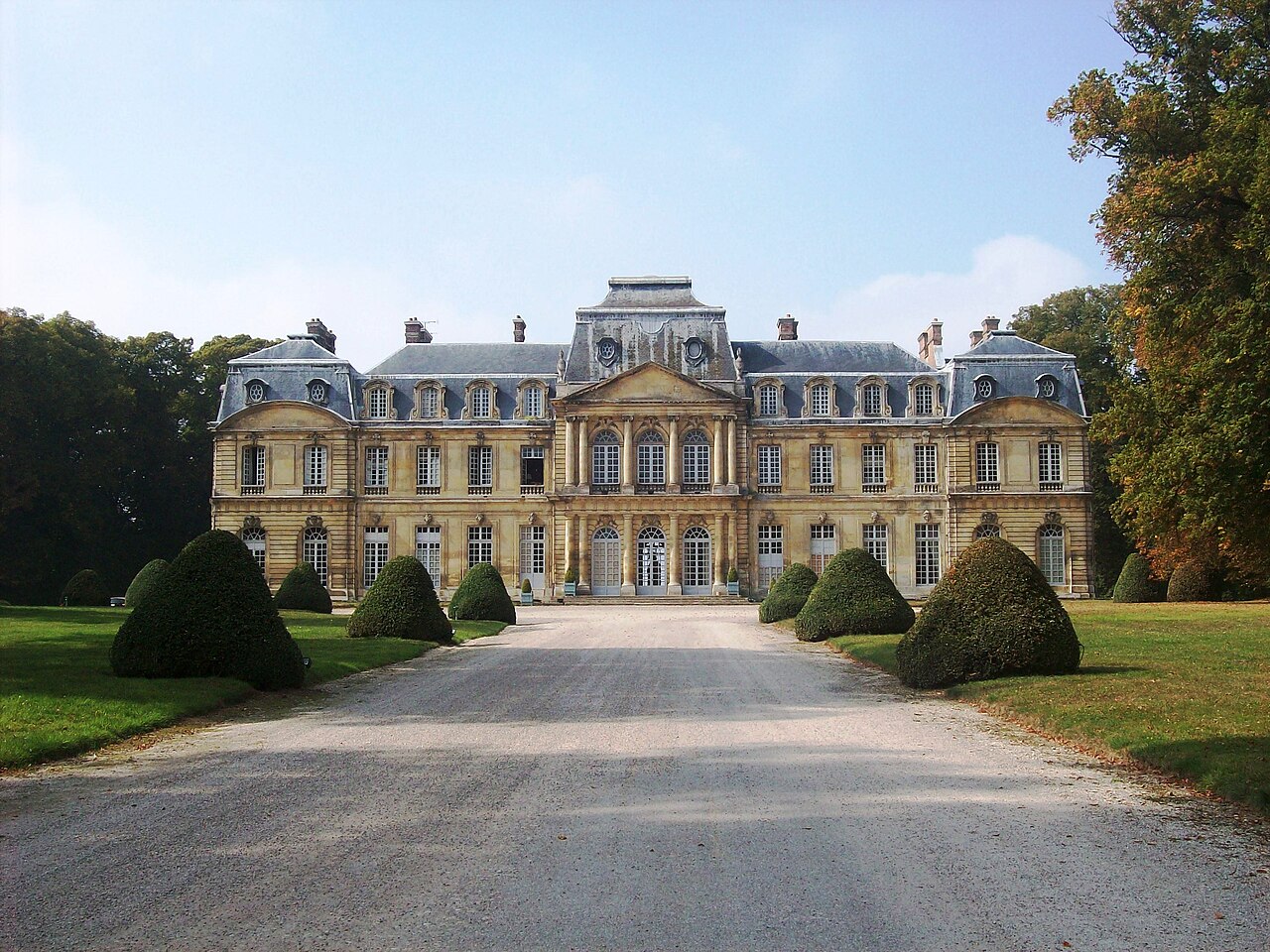
Château d'Écouen
Château d'Écouen stands as an eminent example of French Renaissance architecture, constructed between 1538 and 1550 under the direction of the architect Jean Bullant for Anne de Montmorency, the powerful Connétable de France from 1538. The château reflects Montmorency's stature and his deep involvement in royal artistic projects, having gained valuable experience overseeing works at the royal palaces of Saint-Germain-en-Laye and Fontainebleau. This background influenced the château's design, which harmoniously blends military elements with refined Renaissance aesthetics.
Anne de Montmorency, a prominent nobleman and a major patron of the arts, inherited the estate in 1515 and embarked on an ambitious building campaign to transform it into a grand residence befitting his status. His patronage attracted leading artists of the time, including sculptor Jean Goujon, architect Jean Bullant himself, sculptor Barthélemy Prieur, and the renowned potter Bernard Palissy. The château also became a haven for members of the Androuet du Cerceau family, notable architects and designers who contributed to its decoration and design.
Architectural design and features
The château is characterized by its Renaissance style, which was innovative for its time in France. The layout includes a central courtyard surrounded by wings that combine both defensive and residential functions. The west wing gallery features panels of grisaille stained glass dated 1542 and 1544, exemplifying the château's rich decorative program. The east wing was paved in 1549-1550, and the interiors were frescoed and furnished in the style of the School of Fontainebleau, a movement known for its elegant and elaborate ornamental motifs inspired by Italian Renaissance art.
The château's chapel is particularly notable for its sculptural decoration by Jean Goujon, whose work is celebrated for its grace and classical influence. The building's design balances grandeur with comfort, incorporating spacious halls, private chambers, and richly decorated galleries that demonstrate the artistic ambitions of Anne de Montmorency.
Construction and historical development
While no detailed building accounts survive, the construction sequence can be partially traced through surviving elements such as stained glass and paving dates. The château underwent significant changes over the centuries, including the demolition of the east (entrance) wing in 1787 by its then-owner, Louis Joseph de Bourbon, prince de Condé. This alteration changed the château's original symmetry and entrance approach.
Historical significance and ownership
During the French Revolution, the château was confiscated as national property when the prince de Condé emigrated. It later served various functions, notably as a school for daughters of the chevaliers of the Légion d'Honneur from 1807 until 1962. This educational use contributed to the preservation of the building through a period when many aristocratic residences were neglected or destroyed.
The château as a museum: Musée de la Renaissance
Following a restoration initiative inspired by André Malraux, the château was extensively renovated by architects from the Monuments Historiques. Since its reopening in 1982, it has housed the Musée de la Renaissance, displaying a significant collection of Renaissance art and artifacts, many of which were transferred from the Musée de Cluny. The museum's setting within the château provides a contextually rich environment for appreciating Renaissance decorative arts, sculpture, and furnishings.
Over the years, the museum has hosted a series of focused exhibitions that highlight various aspects of Renaissance culture, craftsmanship, and history. The château's preserved architecture and artistic details enhance visitors' understanding of the period's cultural and artistic achievements.
Artistic patronage and cultural impact
Anne de Montmorency's role as a protector of artists and a patron is evident throughout the château. His support for figures like Jean Goujon and Bernard Palissy contributed to the flourishing of Renaissance art in France. The château itself serves as a monument to the cultural ambitions of the French nobility during the 16th century, reflecting the blend of martial power and refined artistic taste.
The presence of the Androuet du Cerceau family members at Écouen further emphasizes the château's importance as a center for architectural innovation and artistic collaboration. Their influence can be seen in the château's detailed ornamentation and structural design, which helped shape the course of French Renaissance architecture.
Visiting Château d'Écouen today
Today, Château d'Écouen is a well-preserved Renaissance monument open to the public as a museum. Visitors can explore its grand halls, decorated galleries, and the chapel adorned with Jean Goujon's sculptures. The museum's exhibitions provide insight into Renaissance art, culture, and history, making it a significant destination for those interested in French heritage.
The château's location in Val-d'Oise places it within reach of Paris, making it accessible for day trips. Its combination of architectural beauty, historical significance, and curated collections offers a comprehensive experience of the French Renaissance era.
Frequently asked questions (FAQ)
- What is the historical significance of Château d'Écouen?
- Château d'Écouen is a notable example of Renaissance architecture in France, built in the 16th century by the architect Pierre Chambiges. It served as a residence for the Admiral of France, Anne de Montmorency, and now houses the National Renaissance Museum, showcasing art and artifacts from the Renaissance period.
- When was Château d'Écouen built?
- Construction of Château d'Écouen began in 1538 and was completed in 1557. Its design reflects the transition from medieval fortifications to more elegant Renaissance aesthetics, making it a key landmark of that era.
- Can I visit Château d'Écouen year-round?
- Yes, Château d'Écouen is open to visitors throughout the year, although specific opening hours may vary by season. It is advisable to check the official website for the latest information on visiting hours and any potential closures.
- What are the opening hours for Château d'Écouen?
- The château typically opens from 10 AM to 6 PM, with extended hours during the summer months. It's best to confirm the exact hours on the official website before planning your visit, as they may change for holidays or special events.
- Is it possible to access Château d'Écouen with mobility aids?
- Yes, Château d'Écouen is committed to accessibility and offers facilities for visitors with reduced mobility. However, some areas may have limited access due to the castle's historical structure, so it's advisable to inquire in advance regarding specific accessibility options.
- What is the best time to visit Château d'Écouen?
- The best time to visit Château d'Écouen is during the spring and early fall when the weather is mild, and the gardens are in full bloom. Additionally, these seasons tend to attract fewer crowds, allowing for a more pleasant experience.
- How much does it cost to enter Château d'Écouen?
- Ticket prices for Château d'Écouen are generally affordable, with discounts available for students, seniors, and children. It’s recommended to check the official website for current pricing and any special promotions that may be available.
- Are there any nearby attractions to visit after Château d'Écouen?
- Yes, after visiting Château d'Écouen, you can explore nearby attractions such as the Parc de la Villette and the stunning Basilica of Saint-Denis. Both locations offer a rich historical context and beautiful architecture, making them great additions to your itinerary.
Information
Website
Visit websiteSources & official resources
Verify the information above using these authoritative references.
Loading map...
Visitor reviews
No reviews yet. Been here? Write the first review and help other travelers!
Write the first reviewVisited this castle? Share your experience
Your review helps other travelers and adds first-hand knowledge to our encyclopedia.