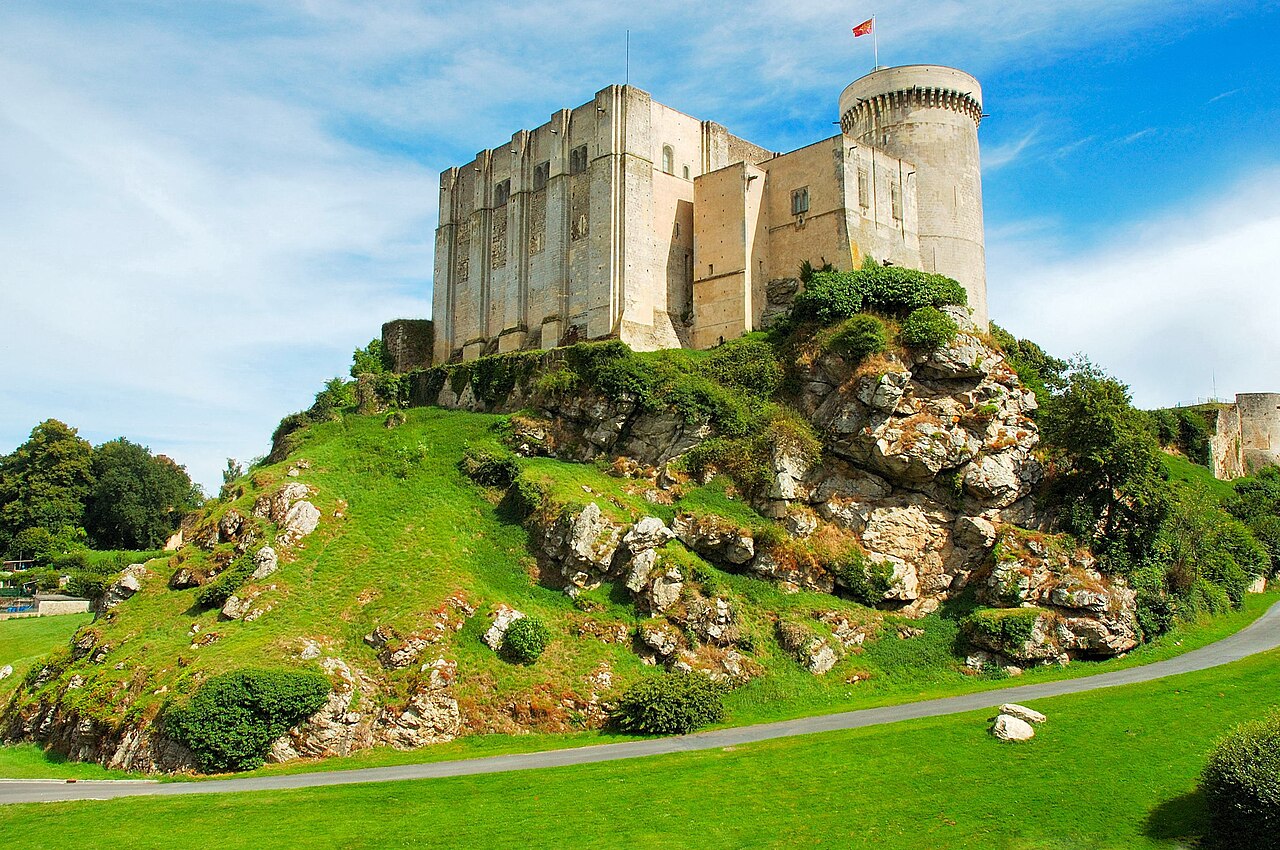
Château de Versainville
The Château de Versainville stands as an elegant example of early 18th-century French aristocratic architecture. Construction began in 1715 under the direction of François-Joseph de Marguerit, a nobleman whose vision shaped the château's refined design. The building was completed around 1730, during the post-Renaissance period, reflecting the architectural tastes of the era that favored symmetry, classical proportions, and restrained ornamentation.
Architectural design and features
The château exhibits characteristics typical of post-Renaissance French architecture, blending elements of classical formality with early influences of the Baroque style. Its layout likely includes a central main building flanked by wings, arranged around a formal courtyard. The façades are composed of carefully cut stone, with balanced window arrangements and modest decorative elements emphasizing elegance over ostentation.
Significant architectural features include symmetrical façades, stone quoins at the corners, and a steeply pitched roof punctuated by dormer windows. The château’s entrance is marked by a grand doorway, possibly framed by pilasters or columns, leading into a series of reception rooms designed for social functions.
Historical context and modifications
Built during a period of relative peace and prosperity in France, the Château de Versainville reflects the lifestyle of the provincial nobility in the early 18th century. The estate would have served as a country residence, combining comfort with the demonstration of social status.
In the early 20th century, the château underwent renewals and modifications that updated its facilities and possibly altered some interior layouts to suit contemporary needs. These changes respected the original architectural style while adapting the building for modern use.
Current use and cultural significance
Today, Château de Versainville is preserved as a historic property and has been repurposed for weddings and seasonal rentals. This adaptive reuse helps maintain the château's upkeep and allows visitors to experience its historic ambiance firsthand. The château’s setting in the Normandy region adds to its appeal, combining cultural heritage with picturesque surroundings.
Its preservation contributes to the understanding of French aristocratic life in the 18th century and the architectural evolution of rural estates. Visitors can appreciate the château’s stone masonry, period details, and the harmonious integration of form and function characteristic of its time.
Visiting information and accessibility
While primarily used for private events, the château may offer limited access to visitors during special occasions or by appointment. Its location in Versainville, Normandy, makes it accessible from nearby cities and a valuable destination for those interested in French history and architecture.
Frequently asked questions (FAQ)
- How do I get to Château de Versainville?
- Château de Versainville is located in the charming village of Versainville, France. You can reach it by car from nearby cities, with ample parking available on-site. Public transport options include regional trains and buses that connect to the village.
- What is the historical significance of Château de Versainville?
- Château de Versainville dates back to the 17th century and is an excellent example of French Renaissance architecture. It has played a significant role in local history, serving as a noble residence and a site of cultural gatherings. The castle's rich history offers visitors a glimpse into the life and times of the French aristocracy.
- When was Château de Versainville constructed?
- The construction of Château de Versainville began in the early 1600s and continued into the latter part of the century. This timeline reflects the architectural trends of the period, showcasing intricate designs and luxurious interiors. The castle has been well-preserved, allowing visitors to experience its historical grandeur.
- Can I visit Château de Versainville year-round?
- Yes, Château de Versainville is open to visitors throughout the year, although specific hours may vary by season. It’s advisable to check the official website for updated opening hours, especially during holidays or special events. Guided tours are available to enhance your experience.
- Why is the architecture of Château de Versainville noteworthy?
- The architecture of Château de Versainville is noteworthy for its elegant Renaissance style, featuring ornate facades and beautifully landscaped gardens. The design reflects the artistic trends of the 17th century and includes numerous historical elements, making it a fascinating study for architecture enthusiasts. Visitors can appreciate both the exterior and the intricate interiors during their tour.
- Is it possible to host events at Château de Versainville?
- Yes, Château de Versainville offers facilities for hosting private events, including weddings and corporate functions. The stunning backdrop of the castle and its gardens provides a picturesque setting for any occasion. It is recommended to contact the venue directly for details on availability and services offered.
- What are the ticket prices for visiting Château de Versainville?
- Ticket prices for Château de Versainville vary depending on the season and the type of tour selected. Generally, adult tickets are priced affordably, with discounts available for students and seniors. Children under a certain age may enter for free, making it a great family-friendly destination.
- What is the best time to visit Château de Versainville?
- The best time to visit Château de Versainville is during the spring and early autumn when the weather is mild and the gardens are in full bloom. Special events and guided tours are often scheduled during these seasons, enhancing the visitor experience. Summer can also be a great time, but it may be busier with tourists.
- Are there nearby attractions to explore after visiting Château de Versainville?
- Yes, there are several nearby attractions that visitors can enjoy after touring Château de Versainville. The picturesque countryside offers walking trails and quaint villages to explore. Additionally, local museums and historical sites are within a short drive, enriching your cultural experience in the region.
Information
Sources & official resources
Verify the information above using these authoritative references.
Loading map...
Visitor reviews
No reviews yet. Been here? Write the first review and help other travelers!
Write the first reviewVisited this castle? Share your experience
Your review helps other travelers and adds first-hand knowledge to our encyclopedia.