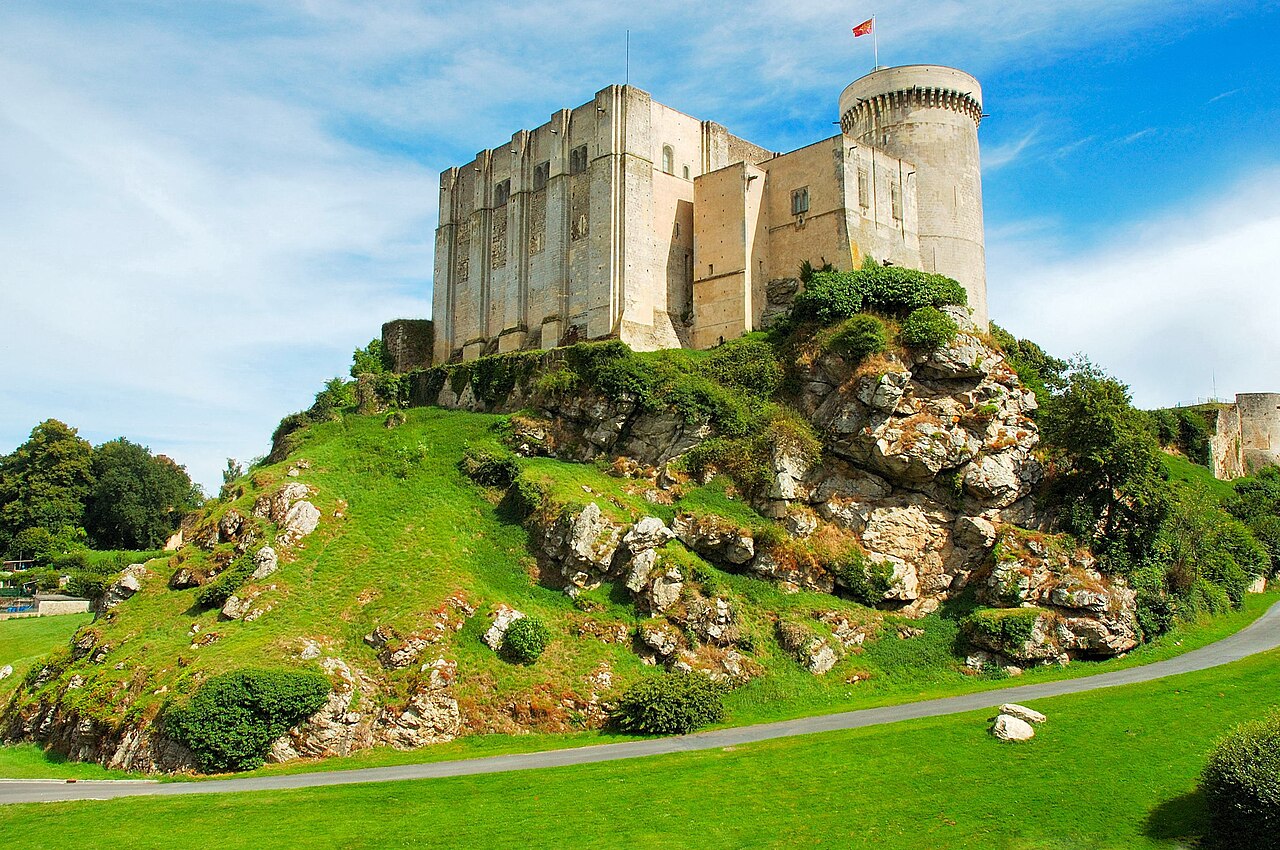
Château de la Fresnaye
Château de la Fresnaye is a notable example of 17th-century Renaissance architecture located in Falaise, France. The castle's origins trace back to the early 1600s when the estate was acquired by Nicolas Vauquelin in 1640. Historical documents from 1678 reference three manor buildings on the property, indicating a complex estate with multiple structures serving residential and possibly administrative functions.
Architectural evolution and main building
The main building of Château de la Fresnaye underwent significant reconstruction in 1750, reflecting architectural changes and adaptations over time. This rebuilding likely introduced elements characteristic of the mid-18th century, possibly blending late Renaissance with early classical influences, although the castle retains its Renaissance heritage. The structure's layout and design would have been adapted to the needs and tastes of its owners during this period, emphasizing comfort and aesthetic appeal alongside defensive features.
The estate and its surroundings
The castle is surrounded by a beautiful English style park, a landscape design movement popular in Europe from the 18th century onward. This style emphasizes naturalistic landscaping, with sweeping lawns, strategically placed trees, and water features designed to create a picturesque environment. The park complements the castle's historic architecture, providing a serene setting that enhances the estate's overall charm.
Historical significance and ownership
Nicolas Vauquelin's acquisition of the estate in 1640 marks a significant moment in the castle's history. The Vauquelin family likely played an important role in the local region, and their stewardship of the property would have influenced its development and preservation. The mention of multiple manor buildings in 1678 suggests the estate was a center of local administration or agriculture, typical of French noble estates of the period.
Architectural features and style
While primarily a Renaissance period construction, Château de la Fresnaye's architecture reflects the transitional nature of French castle design in the 17th and 18th centuries. The castle likely includes characteristic Renaissance features such as symmetrical layouts, classical proportions, and decorative elements like pilasters and cornices. The 1750 rebuilding may have introduced more refined details or expanded living spaces, adapting the castle from a purely defensive structure to a more comfortable noble residence.
Preservation and current condition
Today, Château de la Fresnaye remains a well-preserved example of its period, maintaining both its architectural integrity and the surrounding landscape. The estate's park continues to be an important feature, reflecting historical landscaping trends and contributing to the castle's cultural heritage. Visitors to Falaise can appreciate the castle's blend of historical architecture and natural beauty, which together tell the story of French noble estates from the Renaissance through the 18th century.
Visiting and cultural context
While specific visiting details are not widely documented, the castle's location in Falaise, a town rich in medieval and Renaissance history, makes it a valuable cultural landmark. The castle contributes to the region's historical narrative, which includes connections to notable figures and events in Normandy's past. The presence of the English style park also reflects broader European influences on French aristocratic estates.
Frequently asked questions (FAQ)
- What is the historical significance of Château de la Fresnaye?
- Château de la Fresnaye is an important historical site located in Falaise, France, known for its role in the turbulent history of Normandy. Built in the 15th century, it showcases the architectural styles of the period and has witnessed several key events throughout French history.
- When was Château de la Fresnaye built?
- Château de la Fresnaye was constructed in the 15th century, during a time when Normandy was experiencing significant political and social changes. Its architecture reflects the transition from medieval fortifications to more modern residential styles.
- What are the opening hours for Château de la Fresnaye?
- Château de la Fresnaye is open to visitors from 10 AM to 6 PM, with extended hours during the summer months. It's advisable to check the official website for any seasonal changes or special events that might affect opening hours.
- Can I visit Château de la Fresnaye year-round?
- Yes, Château de la Fresnaye is open for visits year-round, though some areas may be restricted during the winter months for maintenance. Always check ahead for any specific closures or events that may affect your visit.
- Is it possible to take guided tours of Château de la Fresnaye?
- Yes, guided tours are available at Château de la Fresnaye, providing visitors with in-depth knowledge about its history and architecture. Reservations are recommended, especially during peak tourist seasons.
- What are the ticket prices for visiting Château de la Fresnaye?
- Ticket prices for Château de la Fresnaye are quite reasonable, with discounts available for students and seniors. Children under a certain age can enter for free, making it a great family-friendly destination.
- How do I get to Château de la Fresnaye?
- Château de la Fresnaye is easily accessible by car or public transport, located in the heart of Falaise. There are parking facilities nearby, and local buses also stop close to the castle, making it convenient for visitors.
- What is the best time to visit Château de la Fresnaye?
- The best time to visit Château de la Fresnaye is during the spring and early fall when the weather is mild and the gardens are in full bloom. These seasons also tend to have fewer crowds, allowing for a more enjoyable experience.
- Are there any nearby attractions to visit alongside Château de la Fresnaye?
- Yes, Falaise is rich in history and offers several nearby attractions, including the famous Falaise Castle and the Museum of the Norman Resistance. Exploring these sites will provide a deeper understanding of the region's historical context.
Information
Loading map...
Visitor reviews
No reviews yet. Been here? Write the first review and help other travelers!
Write the first reviewVisited this castle? Share your experience
Your review helps other travelers and adds first-hand knowledge to our encyclopedia.