Chateau de Tournay
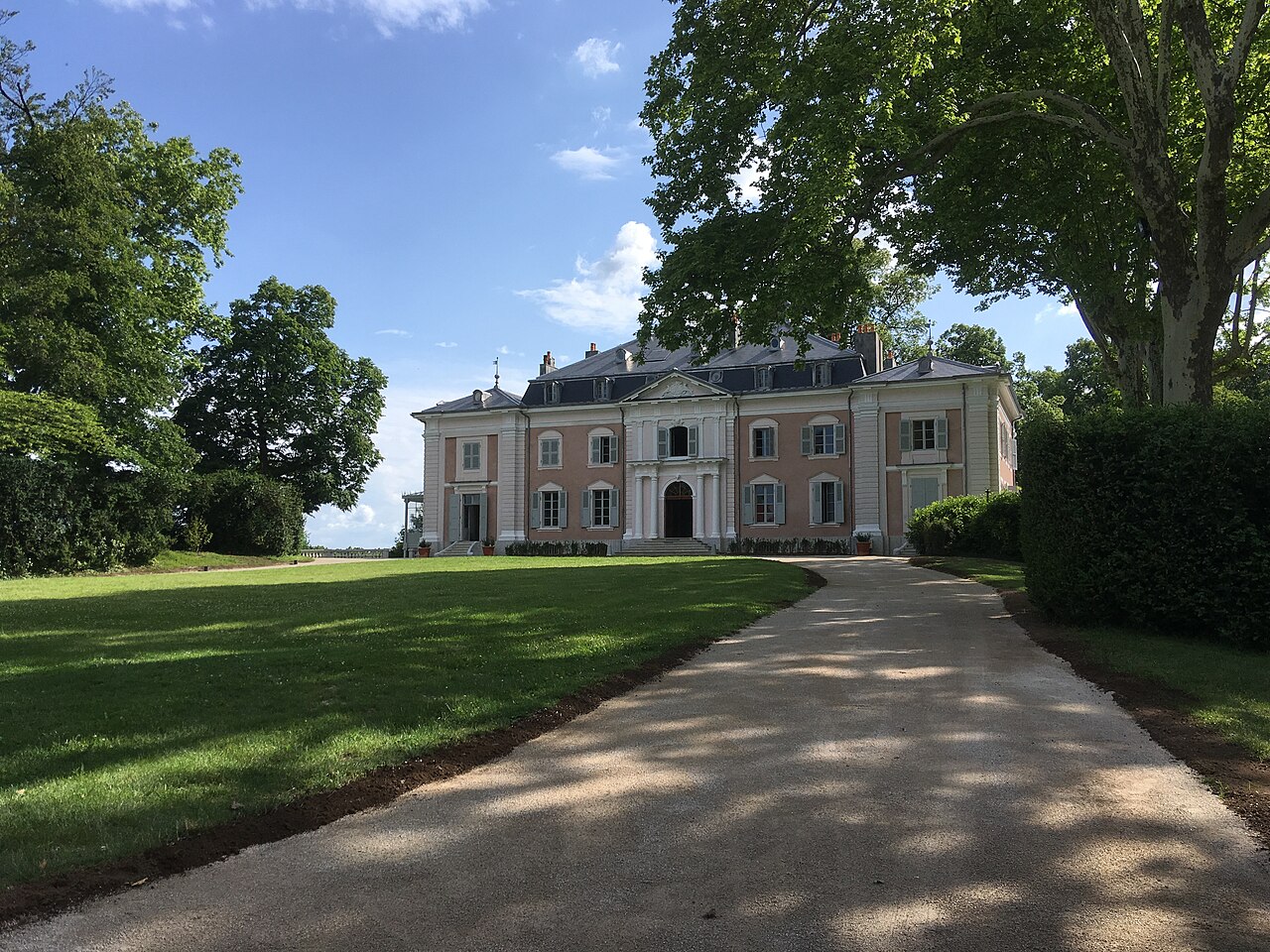
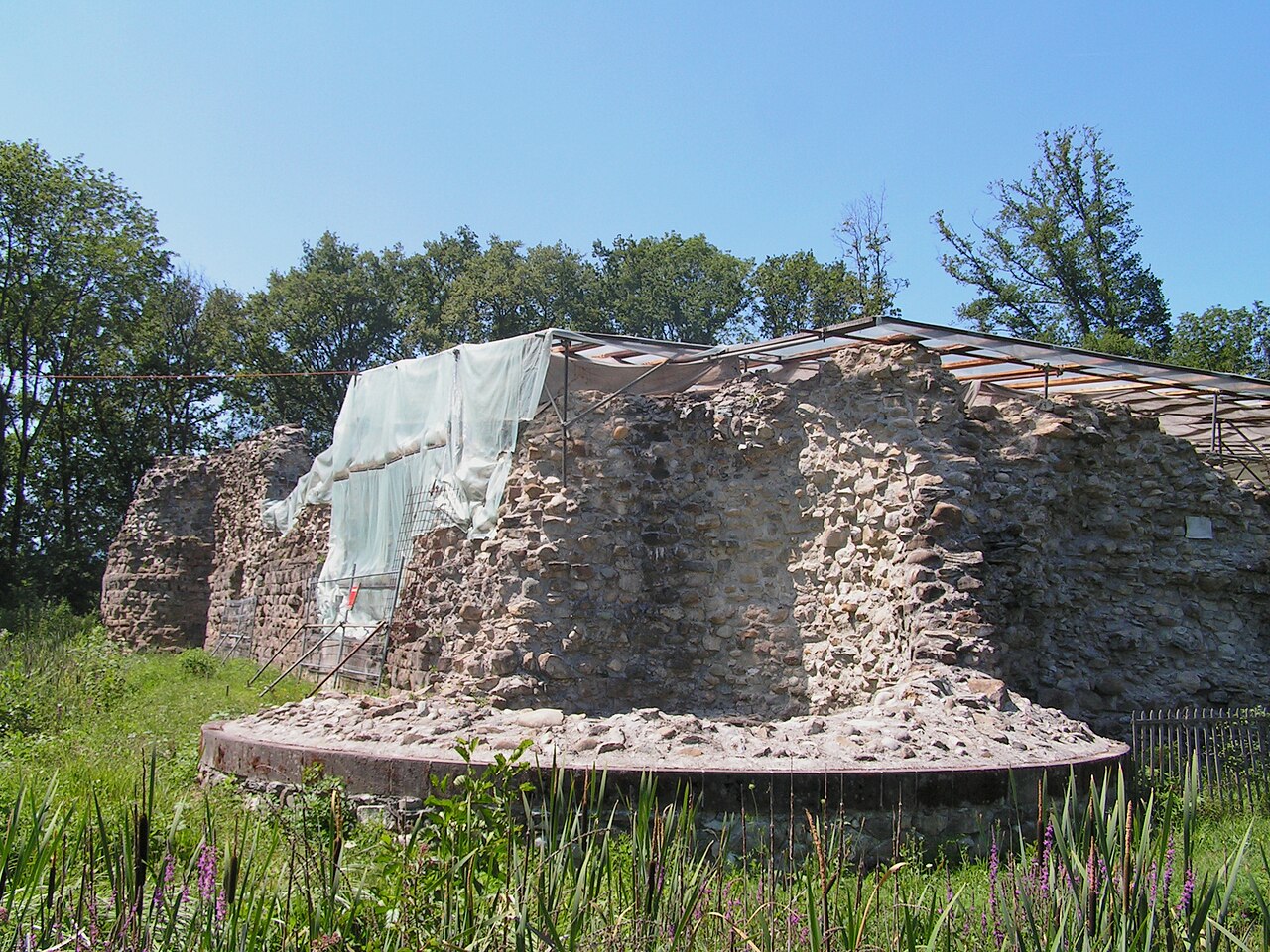
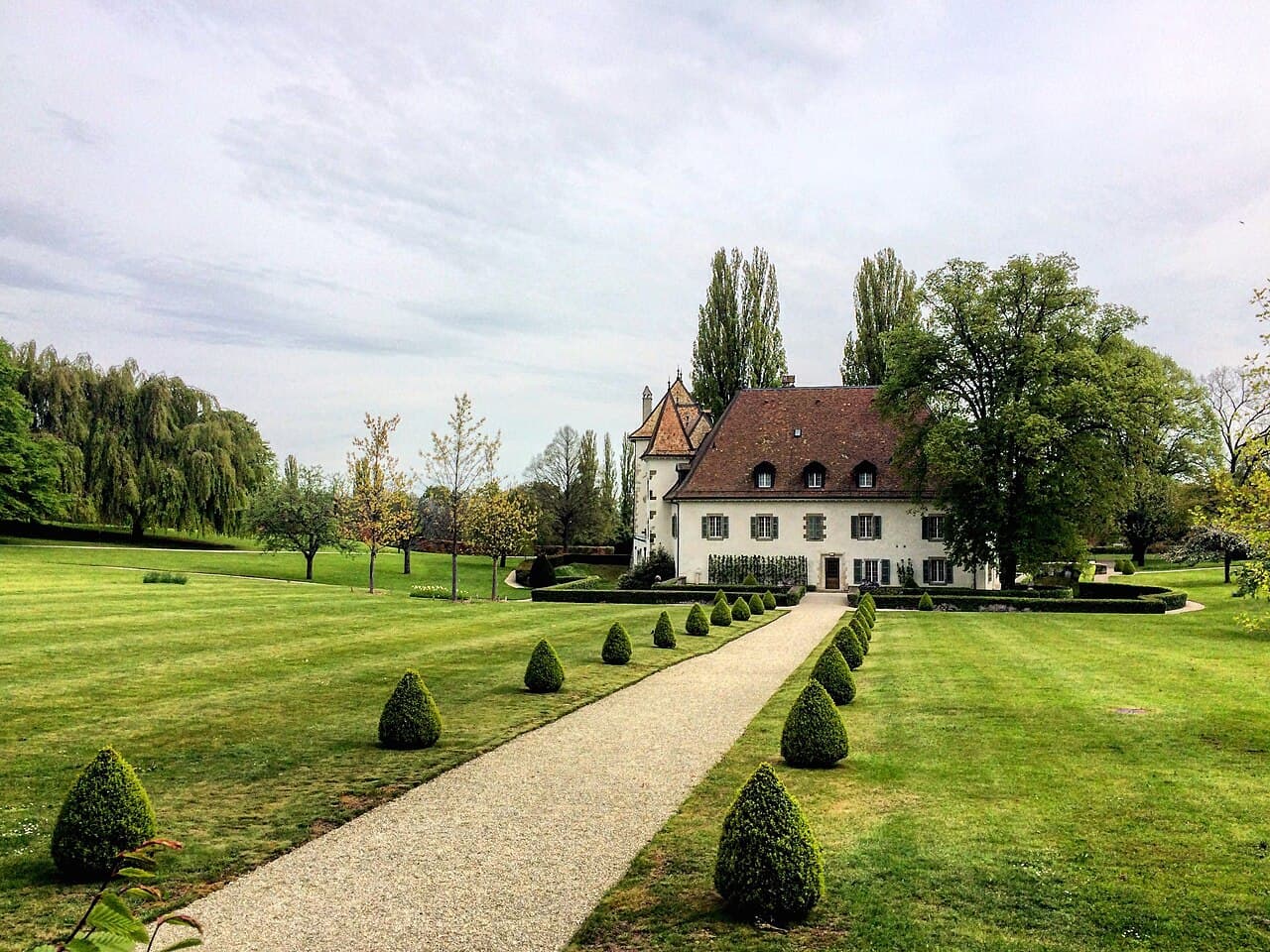
Chateau de Tournay, located in the municipality of Pregny-Chambésy in the Canton of Geneva, Switzerland, is a notable example of a late-medieval hill castle. Classified as a Cultural Property of National and Regional Significance, this castle offers a fascinating glimpse into the region's turbulent history and architectural evolution.
Origins and early history
The exact origins of Chateau de Tournay remain somewhat obscure due to the absence of contemporary written records. It is generally accepted that the castle was constructed in the 15th century, a period marked by significant military and political strife in the region. The castle's strategic position atop a hill provided a commanding view of the surrounding landscape, typical of hill castles designed for defense and surveillance during the late medieval period.
Architectural features and layout
The castle's architecture reflects the defensive priorities of its time. Its stone walls and battlements were built to withstand sieges and attacks. The structure includes a central keep or donjon, which served as the last line of defense and the residence of the lord. Surrounding the keep, the castle likely featured a courtyard enclosed by curtain walls, with towers at key points to provide flanking fire against attackers.
While detailed architectural plans are not widely documented, typical features of such castles include narrow arrow slits for archers, a fortified gatehouse, and possibly a moat or natural defensive barriers enhanced by man-made fortifications.
Historical events and ownership
In 1583, the castle came under the ownership of the Brosses family. The late 16th century was a tumultuous era for the region, and in 1590, the castle suffered significant damage when it was burned and pillaged by Genevan soldiers. This event reflects the ongoing conflicts between local powers during the period.
A notable chapter in the castle's history began in 1758 when the famous Enlightenment writer and philosopher Voltaire acquired the castle and its countal title under a lifetime lease. Voltaire used the castle as a venue for theatrical performances, which, while culturally significant, caused friction with the local populace who disapproved of these activities. This tension illustrates the complex social dynamics of the time.
Following the upheavals of the French Revolution, the castle was seized and subsequently sold in 1794. This transfer marked a shift from aristocratic to private ownership, a common fate for many such estates in post-revolutionary Europe.
In the 20th century, the castle was purchased by Alfred Baur, a noted merchant and collector, in 1915. After his death, ownership passed to the Baur Foundation, which maintained the property until 2009. Since then, it has been privately owned, ensuring its preservation and continued significance.
Significance and preservation
Today, Chateau de Tournay stands as a well-preserved example of a late-medieval hill castle in Switzerland. Its classification as a Cultural Property of National and Regional Significance highlights its importance in Swiss heritage. The castle's survival through centuries of conflict, ownership changes, and social transformation makes it a valuable site for understanding regional history and medieval architecture.
The castle's architectural features, including its defensive walls, towers, and possible remnants of the keep, provide insight into the military engineering of the period. Its association with prominent historical figures like Voltaire adds cultural depth, linking the site to broader European intellectual history.
Visiting Chateau de Tournay
While the castle is privately owned and not regularly open to the public, its exterior and surrounding landscape can be appreciated from nearby vantage points in Pregny-Chambésy. The region itself offers a rich context of Swiss history and natural beauty, making it a worthwhile destination for enthusiasts of medieval architecture and history.
Visitors interested in the castle's history can explore local archives and museums in Geneva, which provide additional context on the castle's role in regional conflicts and its cultural significance during the Enlightenment.
Nearby attractions
- The city of Geneva, with its historic old town and numerous museums.
- The nearby Lake Geneva, offering scenic views and recreational opportunities.
- Other medieval sites in the canton, providing a broader understanding of the area's heritage.
Frequently asked questions (FAQ)
- How do I get to Chateau de Tournay?
- Chateau de Tournay is accessible via public transport, with nearby train stations connecting to major cities in Switzerland. For those driving, ample parking is available near the castle grounds.
- What is the historical significance of Chateau de Tournay?
- Chateau de Tournay dates back to the 12th century and has served various roles throughout its history, including a fortress and royal residence. It is a prime example of medieval architecture and reflects the rich cultural heritage of Switzerland.
- When was Chateau de Tournay built?
- Chateau de Tournay was constructed in the early 1100s, making it one of the oldest castles in Switzerland. It has undergone several renovations and restorations to maintain its historical integrity over the centuries.
- Can I take guided tours of Chateau de Tournay?
- Yes, guided tours of Chateau de Tournay are available and offer an in-depth look at the castle's history and architecture. These tours are typically conducted in multiple languages, making them accessible to a wide range of visitors.
- Why is Chateau de Tournay a popular tourist attraction?
- Chateau de Tournay is popular for its stunning architecture, breathtaking views of the surrounding landscape, and rich history. It also hosts various cultural events and exhibitions throughout the year, attracting both history enthusiasts and casual visitors alike.
- Is it possible to visit Chateau de Tournay with mobility challenges?
- Chateau de Tournay strives to accommodate visitors with mobility challenges, offering accessible pathways and facilities. However, due to the castle's historical nature, some areas may have limitations, so it's advisable to check in advance.
- What are the opening hours for Chateau de Tournay?
- Chateau de Tournay is open to visitors from 10 AM to 5 PM, Tuesday through Sunday. It is closed on Mondays and during certain public holidays, so it's best to confirm the hours before planning your visit.
- What are the ticket prices for Chateau de Tournay?
- Tickets to Chateau de Tournay typically cost around 10 CHF for adults, with discounts available for students and seniors. Children under 12 often enter for free, making it a family-friendly destination.
- What is the best time to visit Chateau de Tournay?
- The best time to visit Chateau de Tournay is during the spring and early autumn when the weather is mild and the surrounding gardens are in full bloom. Summer months can be busy with tourists, while winter may limit access due to snow.
- Are there any nearby attractions to visit along with Chateau de Tournay?
- Yes, visitors to Chateau de Tournay can explore nearby attractions such as the picturesque village of Tournay and the scenic Lake Geneva. Additionally, numerous hiking trails and vineyards are located in the vicinity, providing a full day of exploration.
Photo gallery

Information
Loading map...
Visitor reviews
No reviews yet. Been here? Write the first review and help other travelers!
Write the first reviewVisited this castle? Share your experience
Your review helps other travelers and adds first-hand knowledge to our encyclopedia.