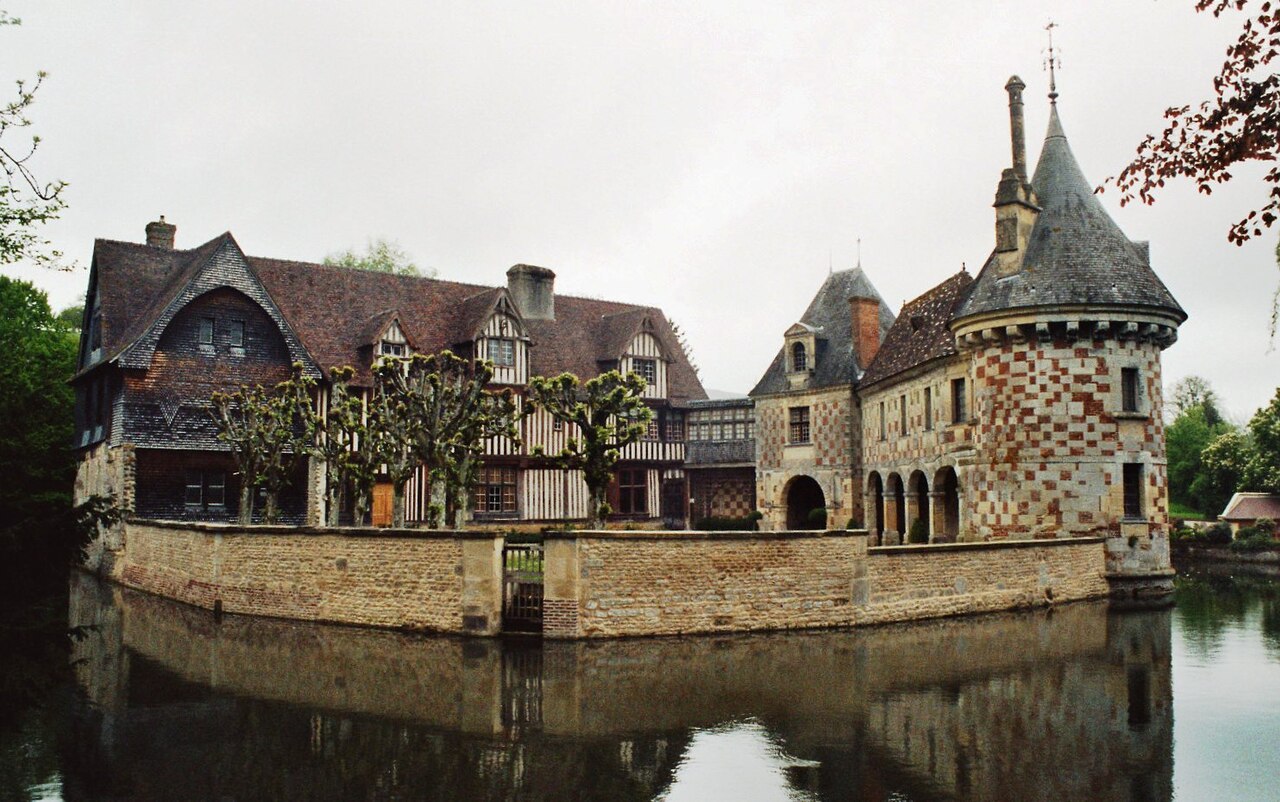
Château de Saint-Gervais
Château de Saint-Gervais in Asnières, France, has a history that dates back to the late 12th century, with its first recorded mention in 1198. Originally a medieval estate, the property underwent significant changes over the centuries, reflecting the evolving architectural styles and historical events of the region.
Medieval origins and early ownership
The earliest known record of the château points to its existence in the late 12th century, indicating its long-standing presence in the French landscape. In 1651, the estate came under the ownership of Jean de Carrey, who was an Advisor to the King in the finance chamber. He acquired the titles of Lord of Saint Gervais, marking a notable point in the château's lineage and status within the local nobility.
Destruction and revolutionary impact
The original château did not survive the upheavals of the French Revolution. In 1794, during the revolutionary period, the original medieval structure was destroyed. This destruction was part of the widespread dismantling of aristocratic estates and symbols of the ancien régime during the revolutionary fervor that swept across France.
19th-century reconstruction and architectural development
Acquisition by michel pierre alexis hebert
In 1837, the land and property of Saint Gervais were acquired by Michel Pierre Alexis Hebert, a barrister at the High Court who later served as Garde des Sceaux in the Ministry of Justice in 1847. Hebert was also a Deputy at Pont Audemer and Chief Counsellor of the Eure region, indicating his significant political and social influence. This prominent figure was responsible for the construction of the current château.
Construction phases and architectural features
The château as it stands today was built in two main phases during the 19th century. The first phase culminated in the completion of a two-storey square mansion in 1840. This structure reflects the architectural sensibilities of the early Victorian era, combining functionality with a stately presence.
The second phase, completed in 1891, added a distinctive tower to the estate. This tower enhances the château's silhouette and adds a vertical emphasis typical of late 19th-century revivalist architecture. The combination of the mansion and tower creates a harmonious yet imposing residence that blends historical reverence with contemporary design of the time.
Architectural style and significance
The château exhibits characteristics aligned with the modern period of the 19th century, incorporating elements that reflect the transition from classical forms to more eclectic and revivalist styles. The two-storey mansion's design emphasizes symmetry and proportion, while the later tower introduces a romanticized medieval element, typical of the era's fascination with historical architectural motifs.
Current status and heritage value
Today, Château de Saint-Gervais stands as a well-preserved example of 19th-century French country architecture. It represents the historical continuum from medieval origins through revolutionary destruction to modern reconstruction. The château remains a significant cultural landmark within the Eure region, embodying the legacy of its notable owners and the architectural trends of its time.
Visiting and cultural context
While primarily a private estate, the château's historical and architectural importance makes it a subject of interest for scholars and enthusiasts of French heritage. Its location in Asnières places it within a region rich in history and cultural attractions, offering a glimpse into the layered past of Normandy and the broader French historical landscape.
Frequently asked questions (FAQ)
- How do I get to Château de Saint-Gervais?
- Château de Saint-Gervais is located in Asnières, France, and can be easily reached by car or public transport. The nearest train station is just a short distance away, and local buses also service the area, making it accessible for visitors from nearby cities.
- What is the historical significance of Château de Saint-Gervais?
- Château de Saint-Gervais dates back to the 17th century and has played a crucial role in the region's history. It is known for its well-preserved architecture and serves as a testament to the artistic and cultural heritage of France during that era.
- When was Château de Saint-Gervais built?
- Château de Saint-Gervais was constructed in the early 1600s, reflecting the architectural styles of the time. Over the centuries, it has undergone various renovations to preserve its grandeur and historical integrity.
- Can I take guided tours of Château de Saint-Gervais?
- Yes, guided tours are available at Château de Saint-Gervais, offering visitors insights into its rich history and architectural features. These tours are conducted by knowledgeable guides who share fascinating stories about the castle and its significance.
- Why is the architecture of Château de Saint-Gervais unique?
- The architecture of Château de Saint-Gervais showcases a blend of classical and Renaissance styles, characterized by elegant facades and intricate detailing. Its design not only reflects the aesthetics of its time but also illustrates the historical context and influences that shaped its construction.
- Is it possible to host events at Château de Saint-Gervais?
- Yes, Château de Saint-Gervais is available for various events, including weddings, corporate gatherings, and private functions. The stunning backdrop and historic ambiance make it a popular choice for memorable occasions.
- What are the opening hours for Château de Saint-Gervais?
- Château de Saint-Gervais is open to visitors from Tuesday to Sunday, with varying hours depending on the season. It is advisable to check the official website for the most current opening times before your visit.
- What is the best time to visit Château de Saint-Gervais?
- The best time to visit Château de Saint-Gervais is during the spring and early fall when the weather is mild and the surrounding gardens are in full bloom. This allows for a more enjoyable exploration of the castle and its grounds.
- Are there any nearby attractions to visit while at Château de Saint-Gervais?
- Yes, visitors to Château de Saint-Gervais can explore several nearby attractions, including local museums, parks, and historical sites. The charming town of Asnières also offers quaint shops and restaurants to enhance your visit.
- What are the ticket prices for Château de Saint-Gervais?
- Ticket prices for Château de Saint-Gervais vary depending on age and group size, with discounts available for children and seniors. It is recommended to purchase tickets in advance, especially during peak tourist seasons.
Information
Website
Visit websiteSources & official resources
Verify the information above using these authoritative references.
Loading map...
Visitor reviews
No reviews yet. Been here? Write the first review and help other travelers!
Write the first reviewVisited this castle? Share your experience
Your review helps other travelers and adds first-hand knowledge to our encyclopedia.