Château de Pupetières
The Château de Pupetières stands as a remarkable example of 19th-century neo-Gothic architecture in the region of Hauts-de-France. Originally established in the medieval period by the Virieu family, with fortifications dating back to 1222, the château has a rich history marked by destruction, exile, and revival. Located in the municipality of Châbons, France, it was initially a fortified house serving as the lordship seat of the Virieu family, who held the estate for centuries until the upheavals of the French Revolution.
Medieval origins and revolutionary destruction
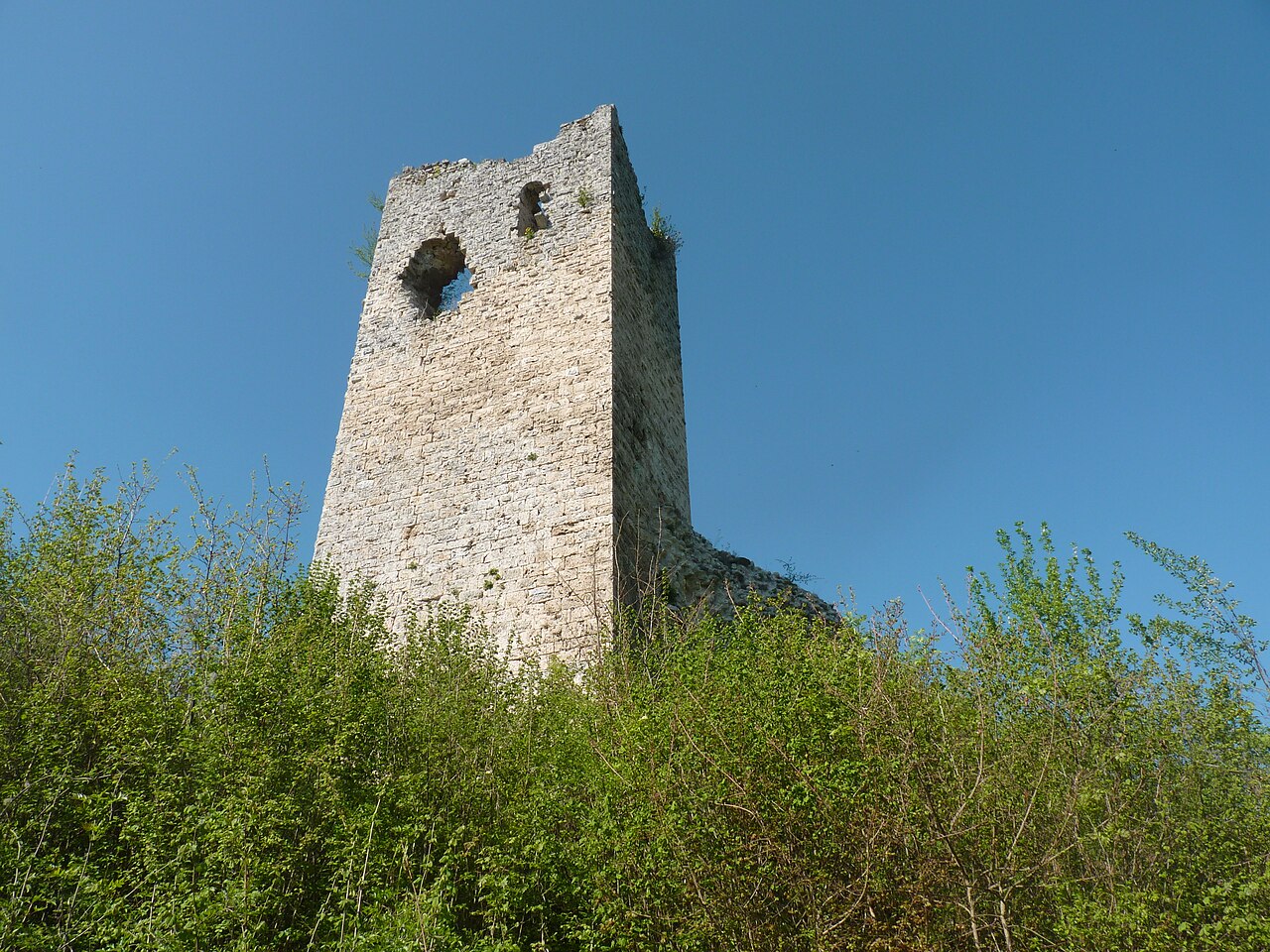
The château's earliest incarnation was a fortified manor that reflected the feudal structure of the time, overseeing local administration and land management. During the French Revolution, the château suffered catastrophic damage when it was set ablaze, leaving only three towers standing among the ruins. This event forced the Virieu family into exile near Geneva, Switzerland, and resulted in the confiscation of their properties. The destruction of the château marked a significant interruption in its history and the loss of the family's ancestral home.
19th-century reconstruction and architectural revival
In 1805, the Countess de Virieu returned to the estate, repurchasing the surrounding lands with the intent to restore the family holdings. The major reconstruction was undertaken by her grandson, Alphonse de Virieu, who commissioned the renowned architect Eugène Viollet-le-Duc between 1861 and 1866. Viollet-le-Duc was a leading figure in the restoration of medieval buildings and brought his expertise to bear in rebuilding the château in a neo-Gothic style that combined historical inspiration with contemporary techniques.
The reconstruction included a richly varied roof featuring over 45 different tile patterns, a hallmark of Viollet-le-Duc's attention to detail and aesthetic innovation. The château's exterior features a projecting hexagonal forebody topped with a decorative balustrade marking the entrance. Seven towers punctuate the silhouette, each crowned with turreted roofs styled after the "poivrière" or pepperpot shape, adorned with glazed and varnished tiles arranged in fish scale patterns that add vibrant color and texture to the skyline.
Assisting Viollet-le-Duc was architect Denis Darcy, who contributed to the design and refurbishment of the outbuildings, including former stables and servants' quarters. These outbuildings were carefully restored to preserve the functional layout of the estate from the 19th-century reconstruction.
Interior design and artistic heritage
The château's interiors are richly decorated, featuring extensive painted wooden paneling, especially in the large salon. This salon contains a monumental fireplace with an intricately sculpted mantle that depicts the Virieu family's historic donation of land for the Sylve-Bénite abbey. The room also displays tapestries from the prestigious Beauvais Royal Manufactory, renowned for its weaving traditions.
The library is notable for its two-story bookcases filled with precious volumes and archival materials belonging to the Virieu family, which were hidden during the revolutionary period to protect them and later restored to the château. The furnishings throughout the château include wood painted with detailed motifs, marble, and brick, reflecting Viollet-le-Duc's eclectic taste for combining materials. Decorative trompe-l’œil or faux draperies enhance the visual richness of the interiors, creating painted illusions that add depth and texture to the rooms.
Several interior elements have received official protection as historical monuments, including the vestibule, the staircase with a wrought-iron banister, the dining room, the large salon, the library, and ceremonial bedrooms such as the "Duchess of Noailles" and "Queen Esther," each featuring distinctive fireplaces.
Cultural significance and literary connections
The château holds cultural importance beyond its architectural value. It is linked to the poet Alphonse de Lamartine, who stayed there in 1819. The natural surroundings inspired his romantic poem "Le Vallon," reflecting the serene landscape of Pupetières. Later, the château attracted Countess Anna de Noailles, a poet who included references to the site in her own work, further cementing the estate's place in French literary history.
Heritage status and current use
In 1972, the main buildings and outbuildings of the château were classified as historical monuments, recognizing their architectural and cultural significance. Although the estate remains private property, it serves as a venue for cultural events, maintaining its role in the region's artistic and social life.
Grounds and landscape setting
The château occupies a sprawling footprint of approximately 7,500 square meters within a landscaped park overlooking the Bourbre valley, locally known as the "Petit Grésivaudan." The grounds are modestly arranged with flower beds, natural features such as a waterfall and a pond to the south, and offer picturesque views extending to the church of Notre Dame de l’Assomption in Châbons. This harmonious integration with the regional landscape enhances the château's aesthetic and historical appeal.
Frequently asked questions (FAQ)
- How do I get to Château de Pupetières?
- Château de Pupetières is located in Châbons, France, and can be accessed by car via the A48 motorway. Public transport options are limited, so it is recommended to drive or arrange a taxi from nearby towns.
- What is the historical significance of Château de Pupetières?
- Château de Pupetières dates back to the 16th century and is a notable example of Renaissance architecture in the region. It has played a vital role in local history, serving as a noble residence and reflecting the cultural heritage of the area.
- When was Château de Pupetières built?
- Construction of Château de Pupetières began in the early 16th century, with its architecture showcasing the transition from medieval to renaissance styles. The castle has undergone several restorations, preserving its historical integrity while adapting to modern needs.
- Can I visit Château de Pupetières year-round?
- Yes, Château de Pupetières is open to visitors throughout the year, although specific tours and events may vary by season. It is advisable to check the official website for the latest information on openings and special events before planning your visit.
- Why is the architecture of Château de Pupetières unique?
- The architecture of Château de Pupetières combines elements of Renaissance style with local building traditions, making it a unique landmark in Châbons. Its intricate facade, ornate details, and well-preserved interiors offer visitors a glimpse into the artistic trends of its time.
- Is it possible to take guided tours of the castle?
- Yes, guided tours of Château de Pupetières are available and provide an in-depth look at its history and architecture. Tours are typically led by knowledgeable guides who share fascinating stories and insights about the castle's past.
- What are the opening hours for Château de Pupetières?
- Château de Pupetières generally opens to visitors from 10 AM to 6 PM, but hours may vary depending on the season or special events. It is recommended to verify the current opening hours on the castle's official website before your visit.
- What are the ticket prices for visiting Château de Pupetières?
- Ticket prices for Château de Pupetières typically range from €5 to €10, with discounts available for students and seniors. Children under a certain age may enter for free, making it an affordable option for families.
- What nearby attractions should I visit while in Châbons?
- While in Châbons, consider visiting the picturesque Lake Paladru for outdoor activities or exploring the charming local village. Additionally, the surrounding Isère region offers beautiful hiking trails and other historical sites worth exploring.
Information
Website
Visit websiteSources & official resources
Verify the information above using these authoritative references.
Loading map...
Visitor reviews
No reviews yet. Been here? Write the first review and help other travelers!
Write the first reviewVisited this castle? Share your experience
Your review helps other travelers and adds first-hand knowledge to our encyclopedia.