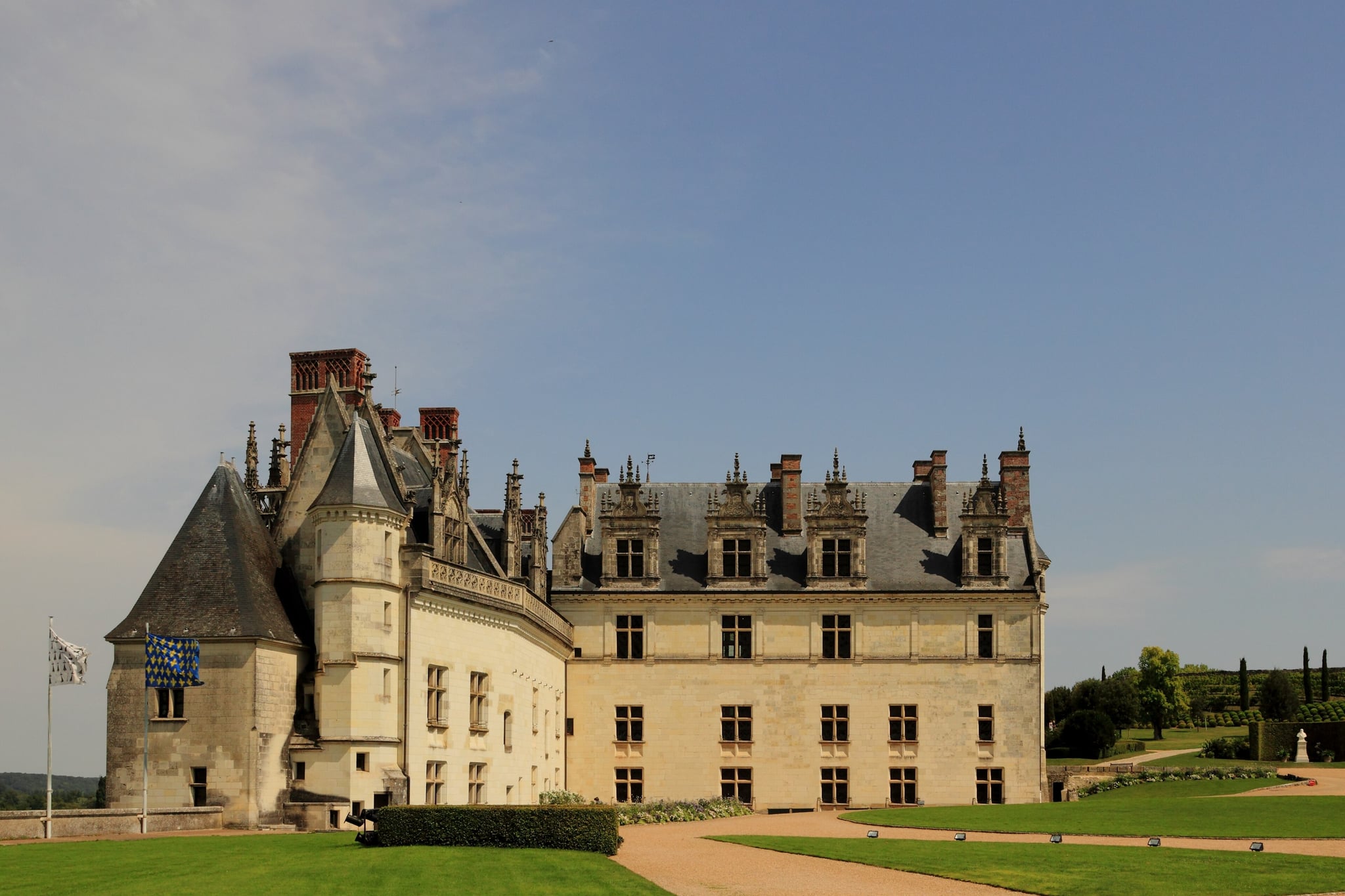
Château de Nitray
The Château de Nitray stands as a distinguished example of Renaissance architecture nestled in the commune of Athée-sur-Cher, France. This historic estate, constructed in the 16th century, replaced an earlier medieval fortress likely dating from the 13th century. The château’s location on a gentle hill provides commanding views of the surrounding landscape, a strategic and aesthetic choice typical of hill castles of the period.
Commissioned by Aimery Lopin, a notable figure who served as mayor of Tours and master of requests for Louise of Savoy, mother of King Francis I of France, the château reflects the social ambitions and refined tastes of French nobility during the Renaissance. Over the centuries, seventeen families have called Château de Nitray home, including the family of General Jean Jacques Liébert, who occupied the estate from 1807 to 1922. This continuous residential use has preserved the château’s character and historical integrity.
Architectural design and layout
The château is oriented along a west–east axis, a deliberate design that separates the formal living quarters from the service areas. The main building faces a formal garden to the east, embodying Renaissance ideals of symmetry and harmony with nature. To the west lies a courtyard bordered by service buildings, including a smaller pavilion and the communs dating back to the 15th century. These utility structures originally housed stables for seven horses, illustrating the estate’s role as a working noble residence.
The courtyard entrance is flanked by two towers, with the southern tower uniquely adapted into a chapel. This fusion of domestic and spiritual spaces is characteristic of French Renaissance estates, where religious devotion was integrated into daily life. At the northwest corner of the courtyard stands a large pigeonnier, or dovecote, symbolizing the estate’s status and providing a practical source of meat and fertilizer.
Inside, a spiral staircase remains remarkably well-preserved, showcasing the craftsmanship and architectural ingenuity of the period. The upper floor of the service buildings features reception rooms capable of hosting up to 200 guests, underscoring the château’s function as a venue for social and political gatherings.
Gardens and parkland
The château is set within an extensive 43-hectare park enclosed by a boundary wall approximately 2 kilometers in length. This expansive landscape includes a French Renaissance garden adorned with a variety of flowers such as roses, peonies, lilies, and daffodils. The garden’s design reflects the Renaissance fascination with order, beauty, and the symbolic use of plants.
Complementing the formal garden is an English-style landscaped park, which introduces a more naturalistic aesthetic favored in later centuries. Additionally, a one-hectare kitchen garden supports traditional agricultural practices, highlighting the château’s ongoing connection to regional viticulture and farming.
Historical significance and cultural heritage
Although Château de Nitray lies just outside the UNESCO World Heritage designated section of the Loire Valley, it remains an integral part of the region’s rich cultural tapestry. The estate was officially listed as a historic monument by French authorities on December 17, 1947, recognizing its architectural and historical importance.
The château’s long-standing association with Touraine appellation-controlled (AOC) wines underscores its role in the region’s agricultural heritage. Winemaking at Château de Nitray has been documented for over 250 years, with vineyards producing wines that contribute to the Loire Valley’s esteemed reputation.
Preservation and current use
The château is well preserved, maintaining much of its original Renaissance character and architectural features. The adaptive reuse of former stables into modern facilities such as changing rooms and a wine cellar demonstrates a thoughtful balance between preservation and functionality.
Visitors to Château de Nitray can appreciate not only the architectural beauty of the main building and its ancillary structures but also the carefully maintained gardens and parklands that reflect centuries of horticultural evolution. The estate continues to embody the historical and cultural legacy of the Loire Valley, offering insight into the lifestyle of French nobility and the enduring traditions of regional agriculture and winemaking.
Architectural details worth noting
- The spiral staircase is a central architectural feature, exemplifying Renaissance craftsmanship and serving as a key vertical circulation element.
- The chapel tower integrates religious function within the domestic setting, a hallmark of French Renaissance estates.
- The pigeonnier at the northwest corner symbolizes noble privilege and practical estate management.
- The communs reflect the château’s dual role as a residence and working estate, with stables repurposed for contemporary uses.
- The formal gardens and English landscaped park illustrate evolving landscape design trends from Renaissance symmetry to naturalistic styles.
Historical occupants and legacy
The château’s commissioning by Aimery Lopin connects it to significant figures of the French Renaissance court. Its continuous habitation by multiple families, including the notable Liébert family, highlights its sustained importance as a noble residence. The estate’s agricultural legacy, particularly in viticulture, ties it to the economic and cultural history of the Loire Valley region.
Frequently asked questions (FAQ)
- How do I get to Château de Nitray?
- Château de Nitray is located in Athée-sur-Cher, France, and is easily accessible by car. If you're traveling by public transport, the nearest train station is in Tours, from where you can take a taxi or a local bus to reach the castle.
- What is the historical significance of Château de Nitray?
- Château de Nitray dates back to the Renaissance period and is known for its unique blend of architectural styles, reflecting the evolution of French châteaux over the centuries. It played a significant role in the local history and has been a witness to many historical events in the Loire Valley region.
- When was Château de Nitray built?
- Construction of Château de Nitray began in the early 16th century, and it was completed in subsequent decades. The castle showcases a beautiful mix of Renaissance architecture, making it a stunning example of its time.
- Can I take a guided tour of Château de Nitray?
- Yes, guided tours are available at Château de Nitray, providing visitors with in-depth insights into its history and architecture. It's recommended to book your tour in advance, especially during peak tourist seasons.
- Why is Château de Nitray popular among visitors?
- Château de Nitray is popular due to its picturesque setting, rich history, and beautiful gardens. Visitors appreciate the opportunity to explore the stunning architecture and learn about the castle's historical significance in a tranquil environment.
- Is it possible to host events at Château de Nitray?
- Yes, Château de Nitray offers facilities for hosting various events, including weddings and corporate gatherings. The enchanting surroundings and historical ambiance make it a memorable venue for special occasions.
- What are the opening hours for Château de Nitray?
- Château de Nitray is typically open to visitors from April to October, with varying hours throughout the week. It's advisable to check their official website for the most current opening hours and any seasonal changes.
- What are the ticket prices for visiting Château de Nitray?
- Ticket prices for Château de Nitray vary depending on age and the type of tour selected. Discounts may be available for students and groups, so it's best to check the official site for detailed pricing information.
- When is the best time to visit Château de Nitray?
- The best time to visit Château de Nitray is during the spring and early fall when the weather is mild, and the gardens are in full bloom. Visiting during these seasons also allows you to enjoy fewer crowds and a more relaxed experience.
- Are there any nearby attractions to visit while at Château de Nitray?
- Yes, the Loire Valley is home to many attractions, including other beautiful châteaux such as Château de Chenonceau and Château de Amboise. Exploring the scenic vineyards and charming villages in the area can also enhance your visit.
Information
Website
Visit websiteSources & official resources
Verify the information above using these authoritative references.
Loading map...
Visitor reviews
No reviews yet. Been here? Write the first review and help other travelers!
Write the first reviewVisited this castle? Share your experience
Your review helps other travelers and adds first-hand knowledge to our encyclopedia.