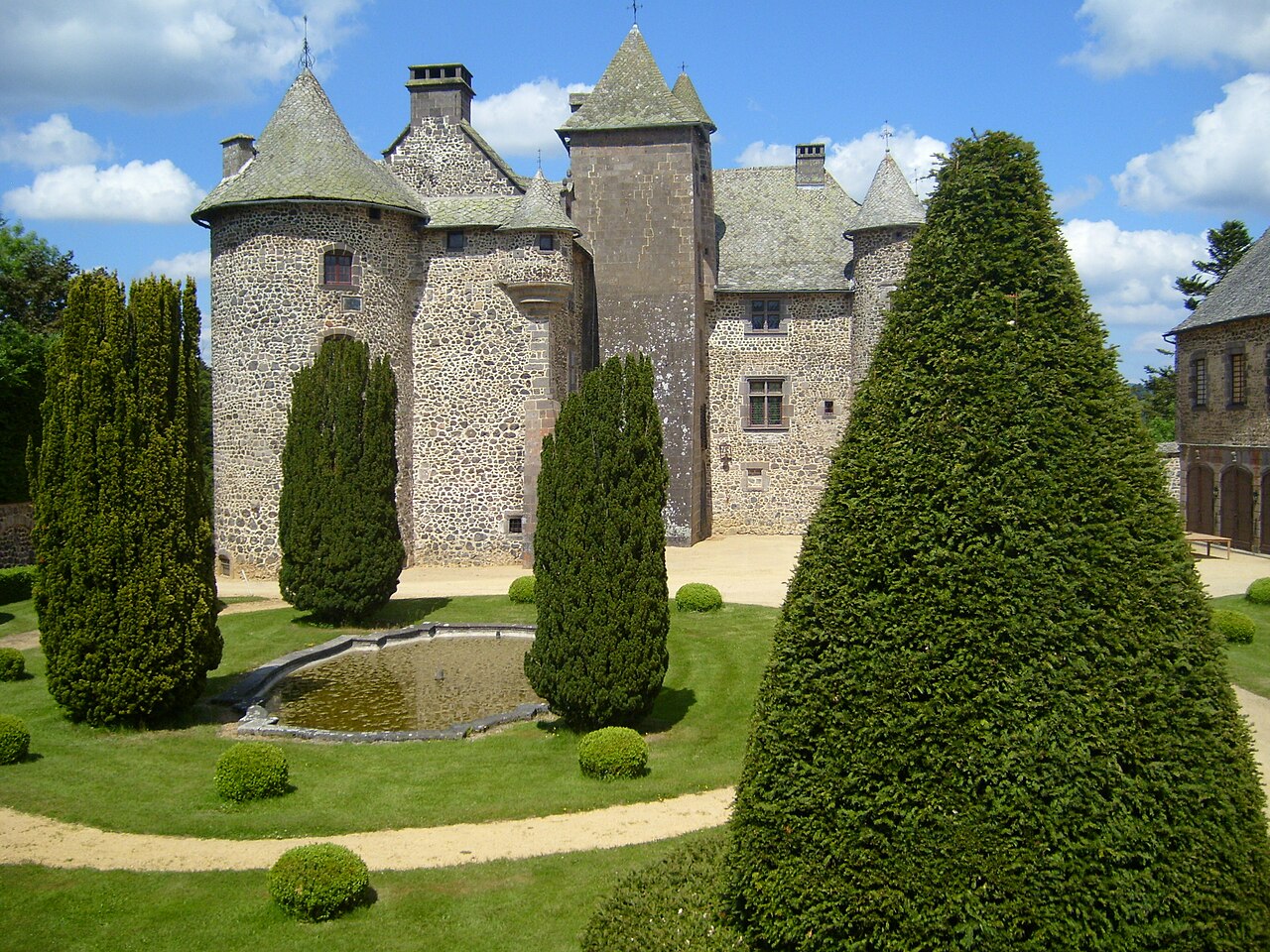
Château de Miremont
The Château de Miremont, also known as Château de La Rochette, stands as a testament to medieval fortification and noble residence in the region of Hauts-de-France. Perched strategically on a small hill, this hill castle was originally established by local nobility in the Middle Ages to oversee and defend the surrounding territory. Its elevated position provided commanding views, including a sightline toward a nearby Romanesque church dating from the 12th century, which itself occupies a neighboring elevation. This geographical relationship inspired the name "Miremont," meaning "look at the hill," highlighting the castle's role as a watchpoint and symbol of feudal authority.
Historical significance and notable figures
The castle's history is closely intertwined with the turbulent events of medieval France. One of the most prominent figures associated with Château de Miremont was Pierre de la Rochette, a lord who played a significant role in the region during the 14th century. He died in 1356 at the Battle of Poitiers, a major conflict of the Hundred Years’ War between England and France. His legacy endures within the castle through the main reception room, known as the Salon Pierre de la Rochette, which commemorates his importance to the site and its history.
Architectural layout and medieval remains
The castle's design takes full advantage of its natural setting. Positioned on a modest hill bordered by the Chancelade stream, which flows into the Sioulet river, the site was naturally fortified by these waterways. This positioning would have offered both defensive benefits and a reliable water source for the inhabitants. The medieval remains visible today reflect the typical features of a hill castle, including fortified walls and a courtyard that would have served as the heart of the castle's daily life.
Courtyard and gardens
Within the castle's courtyard, visitors can find a meticulously restored garden featuring a rose parterre designed in patterns evocative of constellations. This formal garden was restored with the expertise of a student from the prestigious Versailles school of gardening, linking the current horticultural presentation to a refined French gardening tradition. The garden adds a layer of aesthetic and cultural value to the site, illustrating the evolution of the castle grounds from purely defensive to also decorative and residential purposes.
18th-century fountain and artistic details
A focal point of the courtyard's decoration is an 18th-century fountain, notable for its water mirror—a flat reflective surface—and four centrally positioned water jets. The fountain is adorned with a mask carved from Volvic stone, a volcanic rock native to the region, which showcases the use of local materials and artistic craftsmanship. This element adds a baroque touch to the otherwise medieval site, reflecting layers of history and changing tastes over centuries.
The métairie: historic farmhouse and reception space
Adjacent to the castle, the métairie or farmhouse was an essential part of the estate's operation. It has been carefully renovated to serve as a reception area while preserving its historical character. The interior features traditional lits clos or "enclosed beds," also known as lits wagons, which are characteristic of 18th-century Auvergne rural homes. These furnishings have been restored with technical support from the Regional Museum of Auvergne in Riom, ensuring authenticity and historical accuracy.
Preservation and cultural heritage
The Château de Miremont has undergone various phases of restoration and preservation, particularly in the 20th century when its medieval structures received official protection as a historic monument starting in 1927. Restoration efforts have focused not only on the castle's structural remains but also on the gardens and farm buildings, reflecting a holistic approach to conserving the estate's historical and cultural significance. Today, the site serves both as a monument to medieval architecture and local history and as a venue that integrates its heritage with contemporary uses.
Visitors to the castle can appreciate the blend of medieval fortification, Renaissance and later period garden design, and rural architectural heritage, all situated within the scenic landscape of Hauts-de-France. The castle's layered history, from its medieval origins through to its 18th-century enhancements and modern restorations, offers a rich narrative of French noble life, military history, and regional culture.
Frequently asked questions (FAQ)
- When was Château de Miremont built?
- Château de Miremont was established during the Middle Ages, with significant historical ties to the 14th century, particularly around the time of Pierre de la Rochette.
- What architectural style characterizes Château de Miremont?
- While the castle primarily reflects medieval fortification typical of a hill castle, it also features later additions such as an 18th-century fountain, showcasing a blend of medieval and baroque elements.
- Can I visit the gardens at Château de Miremont?
- Yes, the castle features a restored formal garden with a rose parterre designed in constellation patterns, restored by a student from the Versailles school of gardening.
- What is the significance of Pierre de la Rochette to the castle?
- Pierre de la Rochette was a lord associated with Château de Miremont who died at the Battle of Poitiers in 1356. The main reception room, Salon Pierre de la Rochette, is named in his honor.
- Is Château de Miremont protected as a historic monument?
- Yes, the castle's medieval structures have been officially protected since 1927, ensuring the preservation of its historical and architectural heritage.
Information
Website
Visit websiteSources & official resources
Verify the information above using these authoritative references.
Loading map...
Visitor reviews
No reviews yet. Been here? Write the first review and help other travelers!
Write the first reviewVisited this castle? Share your experience
Your review helps other travelers and adds first-hand knowledge to our encyclopedia.