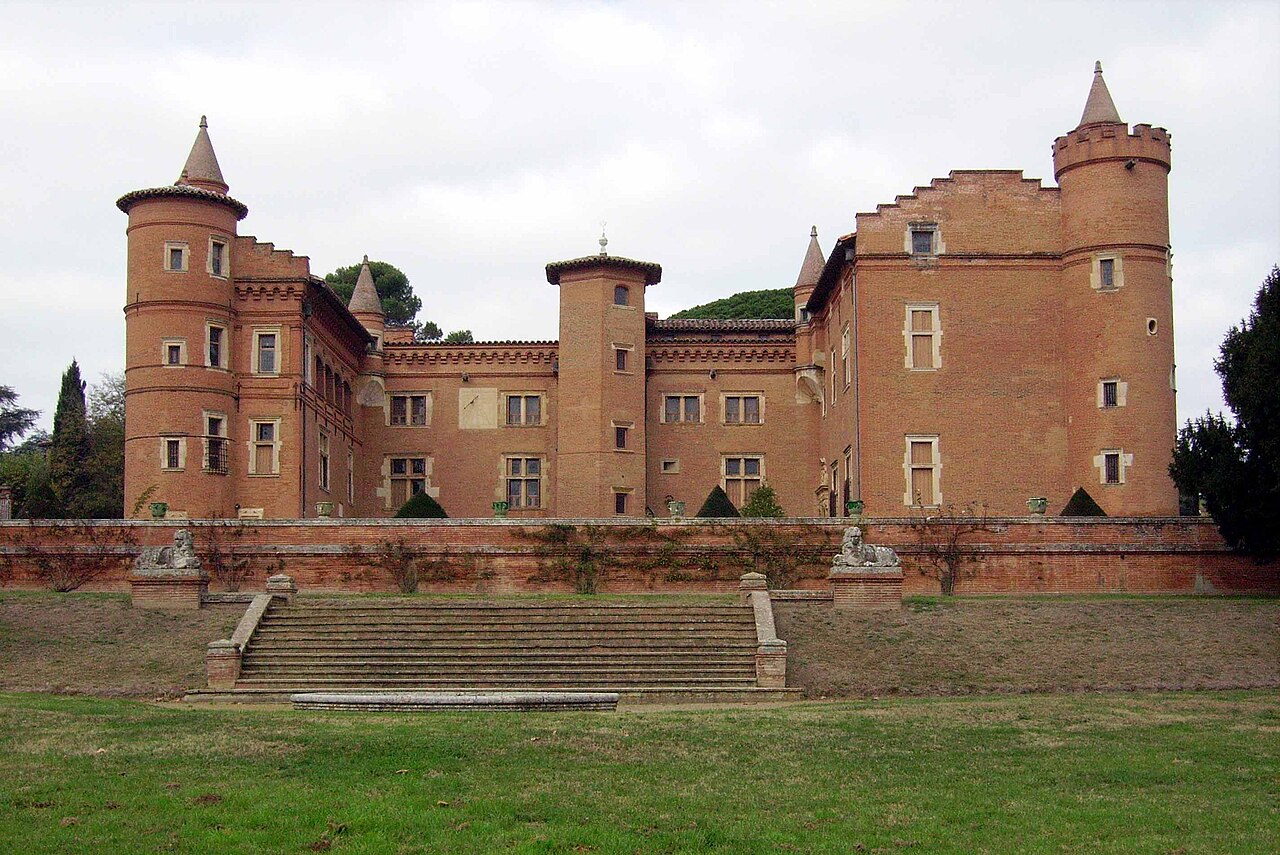
Château de Merville
The Château de Merville stands as a distinguished example of 18th-century French aristocratic architecture, nestled in the municipality of Merville, in the Hauts-de-France region. Constructed primarily from approximately 300,000 pink bricks, this château reflects the refined tastes and cultural aspirations of the French nobility during the post-Renaissance period. Commissioned in 1743 by Marquis Henri-Auguste de Chalvet-Rochemonteix, the estate was designed with the collaboration of the Toulouse architect Maduron. Over fifteen years, it evolved into a luxurious country residence that harmoniously blends architectural elegance with grand landscape design.
Historical background and ownership lineage
The origins of the estate date back to 1575 when Mathieu de Chalvet acquired the land encompassing Merville. At that time, the property included two seigneurial residences enclosed by fortified walls but notably lacked typical medieval defensive features such as towers or battlements. The estate remained under the Chalvet family for centuries, witnessing significant transformations aligned with changing architectural styles and social contexts.
Following the inheritance of the seigneurie by Henri-Auguste in 1734, the château's construction marked a pivotal moment in the estate's history. After the marquis's death in 1772, his son André-Antoine de Chalvet took over the property. Despite enduring imprisonment during the turbulent French Revolution's Terror period, André-Antoine managed to retain ownership. The estate's preservation through such upheavals is notable, with much of its original furnishings and decorative elements surviving intact.
Subsequent ownership passed through the Villèle and Beaumont du Repaire families by inheritance and marriage, with descendants maintaining custodianship to the present day. This continuity has contributed to the château's excellent state of preservation and the retention of its historical character.
Architectural design and features
The château's architecture is characterized by its U-shaped layout, comprising three wings built predominantly of pink brick, a material choice that imparts a warm and distinctive appearance. The central wing, oriented eastward and approximately 50 meters in length, features a prominent semicircular projecting bay capped with a triangular pediment. This central section opens onto an expansive terrace that overlooks the château's extensive parkland.
The two side wings, each about 18 meters long, flank the central block. The southern wing is distinguished by a curved pediment, adding a dynamic visual element to the otherwise symmetrical composition. Surrounding the château is a large terrace measuring 92 meters by 28 meters, creating a grand outdoor space that seamlessly connects the building to its formal gardens.
Inside, the château preserves original decorative details emblematic of the period's artistic trends. The octagonal summer salon serves as the centerpiece of the main reception area, featuring tiled flooring, ornate French-style ceilings, and three large French windows that flood the room with natural light. Richly adorned with Flemish tapestries dating from the reign of François I, this salon exemplifies the château's commitment to artistic refinement.
Another highlight is the Chinese Salon, which contains eighteen large wooden panels painted in oils by Toulouse artist Gilles Pin in 1754. These panels depict scenes inspired by Parisian engravings after the French painter François Boucher, reflecting the 18th-century European fascination with chinoiserie. The intricate and colorful motifs contribute to the château's unique interior character.
A first-floor gallery displays portraits of the lords and family members, reinforcing the château's role as a familial seat and a repository of heritage over generations.
The gardens and landscape architecture
The château is set within a vast park of over 40 hectares, designed in the formal French style associated with the renowned landscape architect André Le Nôtre. The garden layout emphasizes symmetry, order, and perspective, with straight paths bordered by tall boxwood hedges and groves of mature oak trees.
A particularly striking feature is a 600-meter-long alley lined with stone pines, which aligns precisely with the views from the château's reception rooms, culminating in a carefully sculpted green niche. This axial design enhances the visual connection between the château and its surroundings, a hallmark of French formal garden design.
One of the park's most remarkable elements is the extensive boxwood labyrinth, covering approximately 4 hectares. The labyrinth comprises nearly 6 kilometers of winding alleys separated by star-shaped clearings, leading visitors through a complex maze of greenery. At its center lies a spacious area known as the "ballroom," originally intended as a garden attraction to delight visitors with its intricate design and playful challenge.
Preservation and cultural significance
Today, the Château de Merville and its grounds are officially recognized for their well-preserved 18th-century architectural and gardening heritage. The estate remains a rare and authentic example of the elegant country residences that flourished near Toulouse and throughout France during the early modern period.
The château's exceptional state of preservation, including its original furnishings, decorative arts, and garden layouts, offers invaluable insight into the lifestyle and aesthetic preferences of the French aristocracy in the 18th century. It serves as a cultural landmark that continues to attract scholars, historians, and visitors interested in French heritage and landscape architecture.
Maintaining the estate within the same family lineage for centuries has played a crucial role in safeguarding its historical integrity. The château and its park remain accessible to the public for tours and cultural events, allowing contemporary audiences to experience firsthand the grandeur and artistry of this remarkable estate.
Frequently asked questions (FAQ)
- What is Château de Merville known for?
- Château de Merville is renowned for its stunning gardens and impressive architecture, showcasing elements of both classical and romantic styles. The castle has also played a significant role in French history, particularly during the 17th and 18th centuries.
- When was Château de Merville built?
- Construction of Château de Merville began in the mid-18th century, with the castle being completed in 1770. This elegant structure reflects the grandeur of the era and has been preserved to highlight its historical significance.
- How do I get to Château de Merville?
- Château de Merville is easily accessible by car and public transportation from nearby cities. There are regular train services to Merville, followed by a short bus or taxi ride to the castle.
- What are the opening hours of Château de Merville?
- Château de Merville is typically open to visitors from April to October, with varying hours depending on the season. It's advisable to check the official website for current opening times before your visit.
- Can I take guided tours at Château de Merville?
- Yes, guided tours are available at Château de Merville, providing visitors with in-depth knowledge about the castle's history and architecture. These tours often include access to the gardens and specific exhibitions, enhancing the visitor experience.
- Is it possible to host events at Château de Merville?
- Château de Merville offers facilities for hosting private events, including weddings and corporate gatherings. The picturesque setting and historical ambiance make it a unique venue for special occasions.
- What is the best time to visit Château de Merville?
- The best time to visit Château de Merville is during the spring and early autumn months when the gardens are in full bloom. Additionally, the weather is generally pleasant, making for a more enjoyable outdoor experience.
- Are there any nearby attractions to visit along with Château de Merville?
- Yes, there are several attractions near Château de Merville, including the beautiful Parc de la Mairie and the historic town of Merville itself. Visitors can also explore local museums and other scenic spots in the region.
- What are the ticket prices for Château de Merville?
- Ticket prices for Château de Merville vary depending on age and the type of tour selected. Discounts are often available for students and seniors, so it’s worth checking the official website for the latest pricing information.
- Is Château de Merville accessible for individuals with disabilities?
- Château de Merville strives to be accessible to all visitors, with features in place to assist individuals with disabilities. However, it is recommended to contact the site in advance to inquire about specific accessibility options.
Information
Website
Visit websiteSources & official resources
Verify the information above using these authoritative references.
Loading map...
Visitor reviews
No reviews yet. Been here? Write the first review and help other travelers!
Write the first reviewVisited this castle? Share your experience
Your review helps other travelers and adds first-hand knowledge to our encyclopedia.