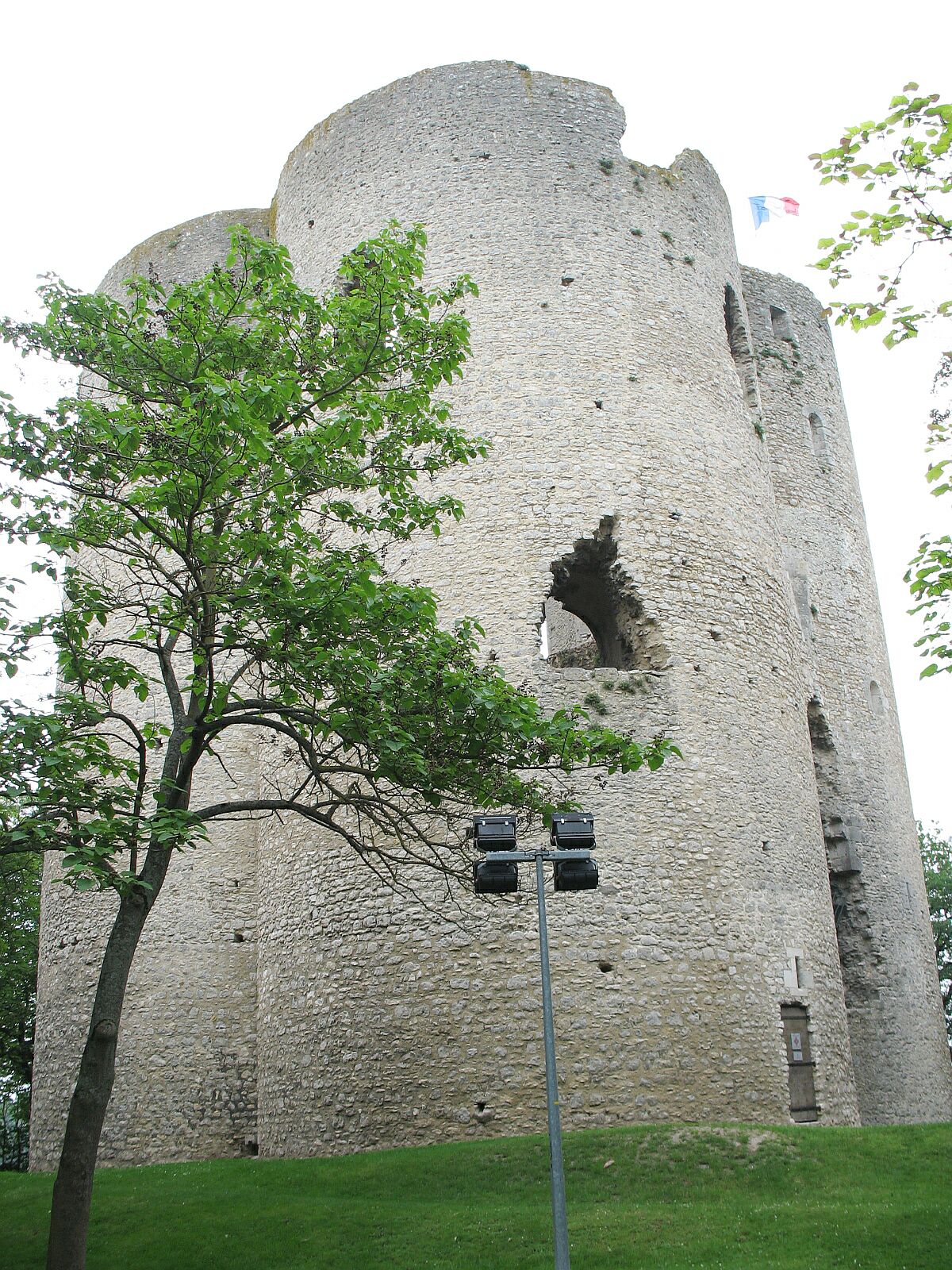
Château de Méréville
Château de Méréville is a remarkable example of post-Renaissance French architecture combined with one of the most celebrated landscape gardens of the late eighteenth century. Originally constructed as a medieval fortress, the château was rebuilt in 1768 on the remains of the earlier medieval structures for Jean Delpech. This initial reconstruction included modest formal gardens typical of the period. However, the château and its grounds gained their defining character after being acquired in 1784 by Jean-Joseph de Laborde, a wealthy financier of the Ancien Régime.
Laborde transformed the estate extensively, commissioning leading artists and architects of the era to create a grand landscape park that reflected the Enlightenment ideals of nature, exploration, and classical beauty. The marshy terrain of the Méréville valley was ingeniously reshaped through significant hydrographic engineering, including the rerouting of the Juine River in 1787, which allowed for the creation of expansive lakes and water features central to the park's design.
The architectural transformation and key contributors
The rebuilding of the château and the design of the gardens were initially led by the architect Belanger, renowned for his rapid construction of the Bagatelle pavilion for the Comte d'Artois. Belanger's ambitious plans, however, proved too costly for Laborde, resulting in his replacement by the painter and architect Hubert Robert in 1786. Despite this change, Belanger remained involved in specific projects such as the circular temple of filial piety, built in memory of Laborde's daughter Natalie and featuring a marble bust sculpted by Augustin Pajou. The involvement of other prominent artists such as the cabinetmaker Leleu and the painter Claude Joseph Vernet contributed to the château's rich artistic heritage.
The landscape gardens: a reflection of Enlightenment ideals
The park at Château de Méréville is a prime example of the French landscape garden style, blending naturalistic elements with symbolic features that illustrate Laborde's interests and personal history. The gardens contain a variety of rare and exotic plants, acclimatised to the fertile soil of the valley, highlighting the era's fascination with botany and global exploration.
Hydrographic innovations
The rerouting of the Juine River was a major feat of engineering, enabling the creation of multiple lakes and water features that serve as focal points within the park. This extensive hydrographic work was among the most advanced of its time and allowed for the inclusion of dramatic elements such as a rocky waterfall and grottoes with spiral staircases descending into them, evoking Laborde's memories of the Basque region and the Pyrenees mountains.
Memorial and symbolic structures
One of the most poignant features of the gardens is the rostral column erected on a small island in the main lake to honor Laborde's two sons, Edouard and Ange Auguste, who tragically died young during the La Pérouse expedition in 1786. This monument, along with a cenotaph dedicated to the English explorer Captain Cook, reflects Laborde's admiration for navigation and discovery.
Artistic and decorative elements
The château and its grounds are richly adorned with artistic details that showcase Laborde's wealth and refined taste. Bridges decorated with gold spheres known as 'aux boules d'or', grottoes embellished with thousands of pieces of gold leaf and precious stones, and a distinctive pebble-paved road contribute to the park's unique character and luxurious atmosphere.
Integration of nature and art
The design of the gardens skillfully integrates natural landscapes with artistic creations to create a harmonious environment. The use of rare plant species alongside classical architectural elements and sculptural works exemplifies the Enlightenment's blending of science, art, and nature.
Legacy and preservation
Today, Château de Méréville remains an important cultural site, illustrating the evolution of French garden design and aristocratic taste in the late eighteenth century. Its combination of neoclassical architecture, innovative landscape gardening, and memorial art make it a valuable example of the period's artistic and intellectual currents. Although parts of the château and gardens have undergone restoration, the estate largely retains its original character and continues to attract visitors interested in history, architecture, and landscape design.
Frequently asked questions (FAQ)
- How do I get to Château de Méréville?
- Château de Méréville is located in Méréville, France, approximately 50 kilometers from Paris. The easiest way to reach the castle is by car, taking the A6 motorway. Public transport options include regional trains to nearby towns, followed by a short taxi ride.
- What is the historical significance of Château de Méréville?
- Château de Méréville was built in the late 18th century and is noted for its beautiful gardens, which are designed in the English landscape style. The castle represents a significant example of neo-classical architecture and was a favorite retreat for the French aristocracy. Today, it is a cherished historical monument, showcasing the artistic and cultural history of the period.
- When was Château de Méréville built?
- Construction of Château de Méréville began in 1771 and was completed in 1783. The castle was designed by the architect Jean-Nicolas Huyot and reflects the grandeur of its time. Its completion marked the height of neoclassical architecture in France.
- Can I visit Château de Méréville year-round?
- Yes, Château de Méréville is open to visitors year-round, although hours may vary seasonally. It is advisable to check the official website for the most current opening times and any special events. Guided tours are often available, providing deeper insights into the castle's history and architecture.
- Why is the architecture of Château de Méréville unique?
- The architecture of Château de Méréville is unique due to its harmonious blend of neoclassical elements and English garden design. The castle features elegant façades, intricate interior decorations, and a stunning landscape that complements its structure. This combination makes it a significant example of 18th-century French architecture.
- Is it possible to host events at Château de Méréville?
- Yes, Château de Méréville can host private events, including weddings and corporate gatherings. The picturesque setting and historical ambiance provide a stunning backdrop for special occasions. Interested parties should contact the castle management for details regarding availability and arrangements.
- What are the ticket prices for visiting Château de Méréville?
- Ticket prices for Château de Méréville are generally affordable, with discounts available for students and seniors. Children under a certain age may enter for free. It is recommended to purchase tickets in advance, especially during peak tourist seasons.
- What is the best time to visit Château de Méréville?
- The best time to visit Château de Méréville is during the spring and early autumn when the gardens are in full bloom and the weather is pleasant. Summer also attracts many visitors, but it can be crowded. Early mornings or late afternoons during weekdays are ideal for a quieter experience.
- Are there any nearby attractions to visit along with Château de Méréville?
- Yes, there are several nearby attractions, including the charming town of Étampes and the scenic Parc de la Vallée de la Juine. Visitors can also explore local vineyards and enjoy the natural beauty of the surrounding countryside. Combining these visits can create a delightful day trip experience.
Information
Loading map...
Visitor reviews
No reviews yet. Been here? Write the first review and help other travelers!
Write the first reviewVisited this castle? Share your experience
Your review helps other travelers and adds first-hand knowledge to our encyclopedia.