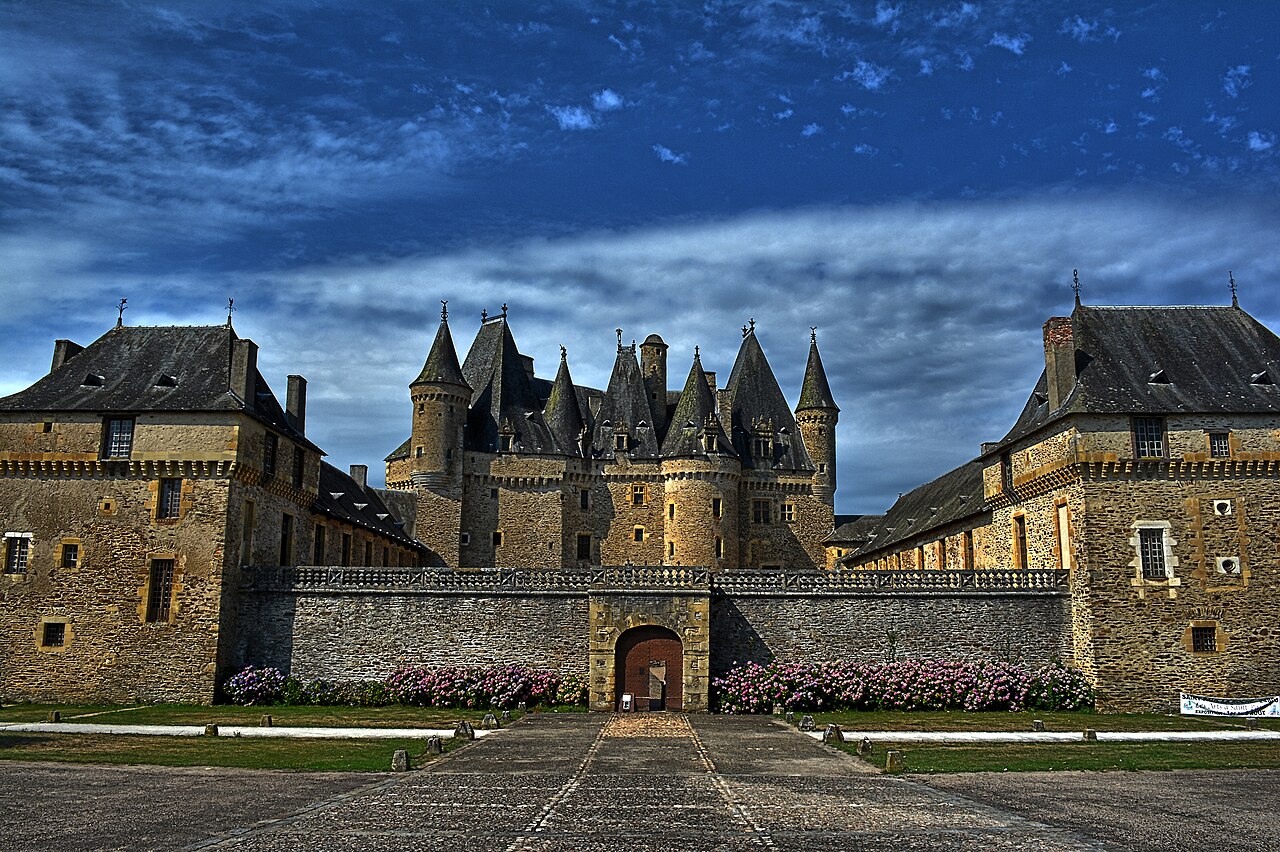
Château de Mavaleix
The Château de Mavaleix stands as a testament to centuries of architectural evolution and industrial heritage in the commune of Chalais, France. Originating in the 13th century during the medieval period, this hill castle was initially constructed as a fortress to assert control over the surrounding landscape. Its strategic location near the Valouse river provided both natural defense and access to resources essential for its later industrial role.
Throughout the 16th century, the château underwent significant reconstruction, transforming from a purely defensive stronghold into a residence that reflected the changing needs and status of its owners. This rebuilding phase incorporated architectural features typical of the late medieval period, blending fortification elements with more comfortable living spaces. The stone walls, robust towers, and fortified gates from this era remain integral to the château's character.
Historical context and ownership
The château's history is closely intertwined with the Grenouillet family, prominent ironmasters originally from the Franche-Comté region. By the 18th century, the Grenouillet family had established themselves as masters of the forge, introducing advanced refining techniques to the local iron industry around Mavaleix. Their expertise helped modernize the region's ironworking practices, contributing to the economic development of the area.
The family managed multiple forges not only near Mavaleix but also across the Berry region. Their industrial network extended through alliances with notable forge families such as Pasquet de Salagnac, de Lignac, and Bugeaud de La Piconnerie from Périgord. This network highlights the château's role as a hub of both familial influence and industrial innovation during the early modern period.
Ownership remained within the Grenouillet lineage until 1980, illustrating a remarkable continuity of stewardship that preserved the château's historical and architectural integrity. An event of military significance linked to the site occurred in the 19th century, when General Bazaine used the château as a resting point following his escape from Île Sainte-Marguerite before his exile to Spain. This episode adds a layer of 19th-century historical interest to the château's story.
Architectural features and site layout
Constructed on the foundations of its 13th-century predecessor, the current château reflects the architectural evolution from medieval fortress to a residence adapted for industrial and domestic functions. The extensive 16th-century rebuilding preserved the defensive character while introducing elements suited to the lifestyle of ironmaster nobility.
The château's location on a hillside overlooking the Valouse river provided strategic advantages, including natural defense and proximity to water resources vital for forge operations. Its stone construction features thick walls designed for defense, with surviving towers and battlements indicating its fortified origins. Although detailed architectural measurements and interior layouts are not extensively documented, the building's fabric reveals a layering of historical phases.
Today, the château is situated approximately 500 meters from a national route, making it accessible while maintaining a degree of seclusion. The structure's preservation state is sufficient to support adaptive reuse, including hospitality functions, demonstrating the durability of its construction and the care taken in its maintenance.
Cultural significance and preservation
Since December 16, 1947, the Château de Mavaleix has been officially listed as a historic monument, recognizing its importance as a cultural and architectural landmark in the Hauts-de-France region. This designation ensures protective measures that safeguard the château's structural integrity and historical authenticity.
The château embodies the legacy of the Grenouillet family's contributions to forge technology and regional industrial history. It stands as a tangible connection to the area's medieval past and early modern industrial development. Its preservation allows visitors and scholars alike to explore the intersection of feudal architecture and industrial innovation.
While the château's interior details remain less documented, its external form and historical associations provide valuable insights into the evolution of French hill castles, particularly those that transitioned from military fortresses to centers of economic activity.
Visiting château de mavaleix
The château's proximity to major roads enhances its accessibility for visitors interested in medieval architecture and industrial heritage. Though specific visiting hours and ticketing details are not widely published, the château's condition supports potential tourism and educational use, including guided tours and cultural events.
Visitors can appreciate the château's robust stonework, defensive features, and scenic location near the Valouse river. The site offers a unique opportunity to explore a castle that reflects both feudal and industrial histories within the French countryside.
Frequently asked questions (FAQ)
- How do I get to Château de Mavaleix?
- Château de Mavaleix is located in Chalais, France, easily accessible by car or public transport. If you are driving, you can find parking nearby. For those using public transport, check local bus and train schedules for routes that service Chalais.
- What is the historical significance of Château de Mavaleix?
- Château de Mavaleix dates back to the 15th century and is an important example of medieval architecture in France. It has played a significant role in local history, serving as a residence for nobility and a strategic fortification. The castle is a testament to the architectural styles of its time and is rich in historical narratives.
- When was Château de Mavaleix built?
- The construction of Château de Mavaleix began in the early 15th century, with various modifications and expansions occurring over the centuries. Its original design reflects the feudal architecture prevalent during that era. Visitors can appreciate the blend of historical influences in its structure.
- Can I take a guided tour of the castle?
- Yes, guided tours of Château de Mavaleix are available and provide an in-depth look at its history and architecture. These tours are led by knowledgeable guides who share fascinating stories about the castle and its significance. It's recommended to book in advance during peak seasons.
- Why is Château de Mavaleix a popular tourist attraction?
- Château de Mavaleix attracts visitors due to its stunning architecture and rich historical context. The castle offers picturesque views of the surrounding landscape and provides insight into medieval life. Additionally, its proximity to other attractions in Chalais makes it a convenient stop for tourists.
- Is it possible to host events at Château de Mavaleix?
- Yes, Château de Mavaleix offers facilities for hosting various events, including weddings and corporate gatherings. The enchanting setting and historical ambiance make it a unique venue. Interested parties should contact the castle administration for more details on availability and services.
- What are the opening hours of Château de Mavaleix?
- Château de Mavaleix is typically open to visitors from 10 AM to 6 PM, though hours may vary seasonally. It is advisable to check the official website or contact the castle directly for the most current information. Special events or holidays may also affect opening hours.
- What are the ticket prices for visiting Château de Mavaleix?
- Ticket prices for Château de Mavaleix vary depending on the type of tour and age group. Typically, adult tickets range from €8 to €12, while discounts are available for children and seniors. Visitors should check the official website for the most accurate pricing and any available promotions.
- What is the best time to visit Château de Mavaleix?
- The best time to visit Château de Mavaleix is during the spring and early autumn when the weather is mild and the gardens are in full bloom. Summer can be busy with tourists, but it also offers extended opening hours. Visiting during weekdays may provide a quieter experience.
- Are there any nearby attractions to visit after Château de Mavaleix?
- Yes, after visiting Château de Mavaleix, you can explore several nearby attractions, including the charming town of Chalais, with its local shops and cafes. Additionally, the scenic parks and hiking trails in the surrounding area offer opportunities for outdoor activities. Many visitors enjoy combining their castle tour with these nearby experiences.
Information
Website
Visit websiteSources & official resources
Verify the information above using these authoritative references.
Loading map...
Visitor reviews
No reviews yet. Been here? Write the first review and help other travelers!
Write the first reviewVisited this castle? Share your experience
Your review helps other travelers and adds first-hand knowledge to our encyclopedia.