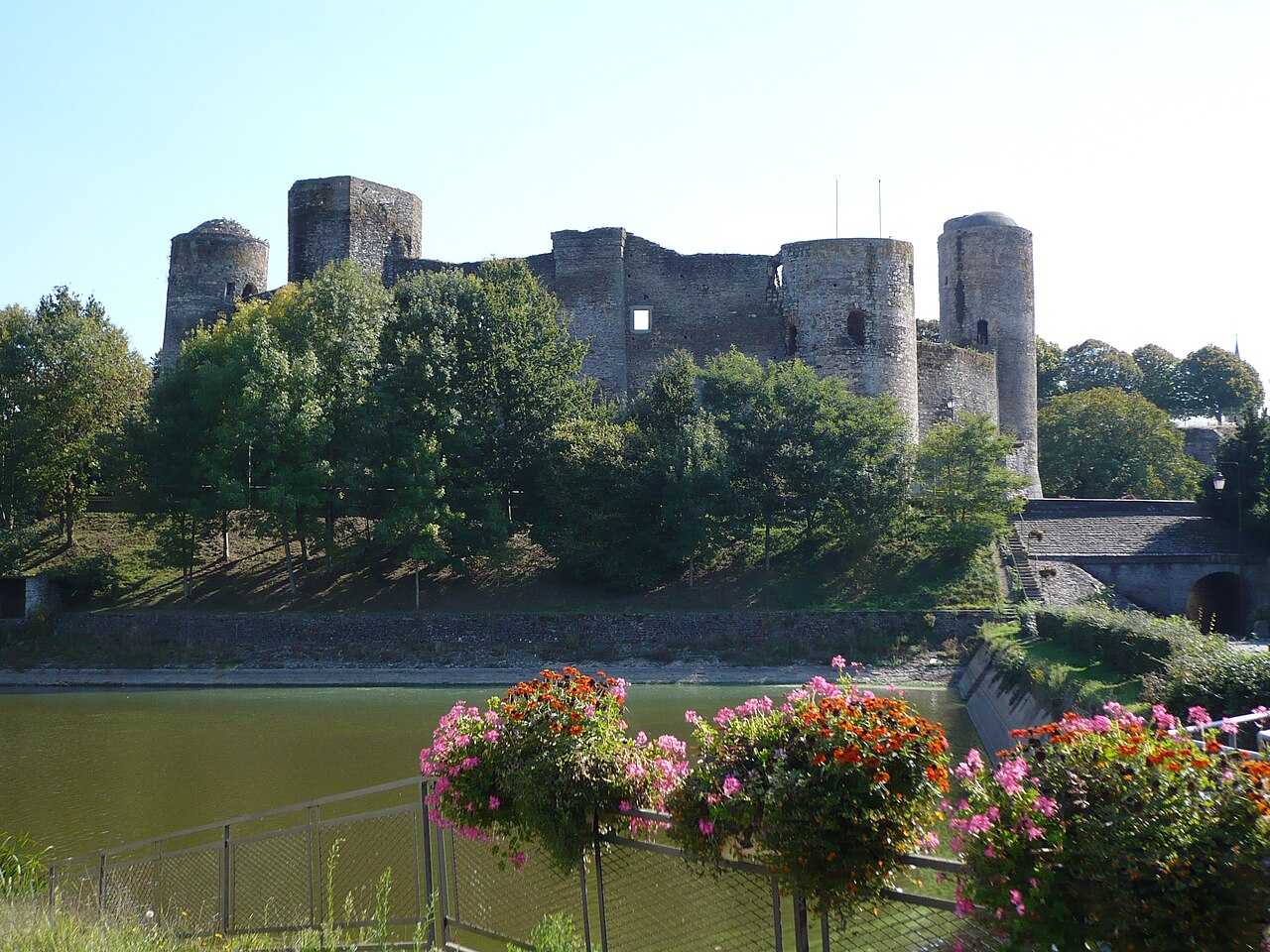
Château de la Motte-Glain
The Château de la Motte-Glain stands as a significant example of late medieval military and residential architecture in the Loire-Atlantique region of France. Constructed in 1495 by Pierre de Rohan-Gié, the castle was built upon the foundations of an earlier fortress that belonged to the lords of Rougé, reflecting the strategic importance of the site during the turbulent final decades of the Middle Ages. This period was marked by the transition from fortified medieval strongholds to more comfortable and stylistically refined residences, a duality well represented in the architectural features of the château.
Historical significance and notable residents
The château's history is closely tied to prominent figures of French royalty and nobility. In 1497, it hosted Anne of Brittany and King Charles VIII, underscoring its status as a noble residence of considerable importance. Later, in 1565, King Charles IX and his mother, Catherine de' Medici, also stayed at the castle, further cementing its role in the political and social networks of Renaissance France.
Ownership changed in the 17th century when the château was purchased in 1635 by Michel Le Loup, a counsellor to the Parlement of Brittany. During this period, modifications were made by Pierre de Rohan-Gié, adapting the structure to evolving tastes and needs while retaining its medieval defensive character.
Architectural features and layout
The gatehouse and defensive elements
The most striking feature of the château is its gatehouse, which includes a central pavilion flanked by two round towers. This design exemplifies late medieval fortification techniques, combining both defensive functionality and aesthetic considerations. The towers would have provided vantage points for surveillance and defense, while the central pavilion served as a controlled entry point, often fortified with portcullises and heavy doors.
Residential buildings and Renaissance influences
The château encompasses several buildings, some now in ruins, including a storeroom and a press, indicative of the estate's agricultural and economic activities. The main residence is notable for its Renaissance windows dating from the 15th century, which introduce elements of classical symmetry and decoration uncommon in purely medieval castles. These windows reflect the broader cultural shift during the Renaissance, where comfort and style began to complement the defensive needs of noble residences.
The chapel and artistic heritage
The château's chapel contains a remarkable 16th-century fresco, a rare survival that offers insight into the religious art and devotional practices of the period. The presence of such artwork within the chapel highlights the importance of private worship spaces in aristocratic homes and the integration of artistic patronage into the castle's fabric.
Preservation and public access
Despite some buildings being in a state of ruin, the château remains largely preserved, with key elements such as the gatehouse, storeroom, press, chapel, residence, bay, roof, and walls protected under French heritage laws. Since 1926, these parts have been officially listed, and from 1929, they have been protected as a monument historique by the French Ministry of Culture. This status ensures ongoing conservation efforts and recognizes the château's cultural and historical value.
Today, the privately owned château opens its doors to the public during the summer months, allowing visitors to explore its unique blend of medieval fortifications and Renaissance residential architecture. The site offers a tangible connection to the late medieval period and the evolution of French noble residences, making it a valuable destination for those interested in history, architecture, and art.
Context within French castle architecture
The Château de la Motte-Glain exemplifies the transition from purely defensive medieval castles to more refined residences that incorporated Renaissance aesthetics. Its combination of a fortified gatehouse with comfortable living quarters and artistic features situates it within the broader narrative of French castle development during the late medieval and early Renaissance periods.
Located in La Chapelle-Glain, within the Loire-Atlantique department, the château reflects regional styles and the influence of noble families such as the Rohan-Gié, who played significant roles in Brittany and France's political landscape. The castle's preservation and public accessibility contribute to understanding this architectural and historical evolution.
Frequently asked questions (FAQ)
- How do I get to Château de la Motte-Glain?
- Château de la Motte-Glain is located in La Chapelle-Glain, France, easily accessible by car. If you're using public transport, the nearest train station is in Châteaubriant, from where you can take a taxi or local bus to reach the castle.
- What is the historical significance of Château de la Motte-Glain?
- Château de la Motte-Glain dates back to the 15th century and played a notable role in the region's feudal history. It was a stronghold for the local nobility and has witnessed various historical events that shaped the area.
- When was Château de la Motte-Glain built?
- Construction of Château de la Motte-Glain began in the early 15th century, with various modifications made over the centuries. Its architecture reflects the transition from medieval to Renaissance styles, making it a significant example of historical building techniques.
- Can I visit Château de la Motte-Glain year-round?
- Yes, Château de la Motte-Glain is open to visitors throughout the year, although specific opening hours may vary seasonally. It's advisable to check their official website or contact them before your visit for the most accurate information.
- Why is the architecture of Château de la Motte-Glain special?
- The architecture of Château de la Motte-Glain is notable for its blend of medieval and Renaissance styles, showcasing impressive stonework and intricate details. The castle's design reflects the historical significance and the artistic trends of its time.
- Is it possible to access Château de la Motte-Glain for visitors with disabilities?
- Yes, Château de la Motte-Glain strives to be accessible for all visitors, including those with disabilities. There are designated pathways and facilities to ensure a comfortable experience for everyone.
- What are the best times to visit Château de la Motte-Glain?
- The best times to visit Château de la Motte-Glain are during the spring and early autumn when the weather is mild, and the surrounding gardens are in bloom. Visiting on weekdays may also help you avoid larger crowds.
- What are the ticket prices for Château de la Motte-Glain?
- Ticket prices for Château de la Motte-Glain vary depending on age and group size, with discounts available for students and seniors. Children under a certain age may enter for free, making it an affordable outing for families.
- What are the opening hours for Château de la Motte-Glain?
- Château de la Motte-Glain typically opens at 10 AM and closes at 6 PM, but hours may change depending on the season. It's best to verify the current opening hours on their official website before planning your visit.
Information
Loading map...
Visitor reviews
No reviews yet. Been here? Write the first review and help other travelers!
Write the first reviewVisited this castle? Share your experience
Your review helps other travelers and adds first-hand knowledge to our encyclopedia.