Château de La Ferté-Saint-Aubin
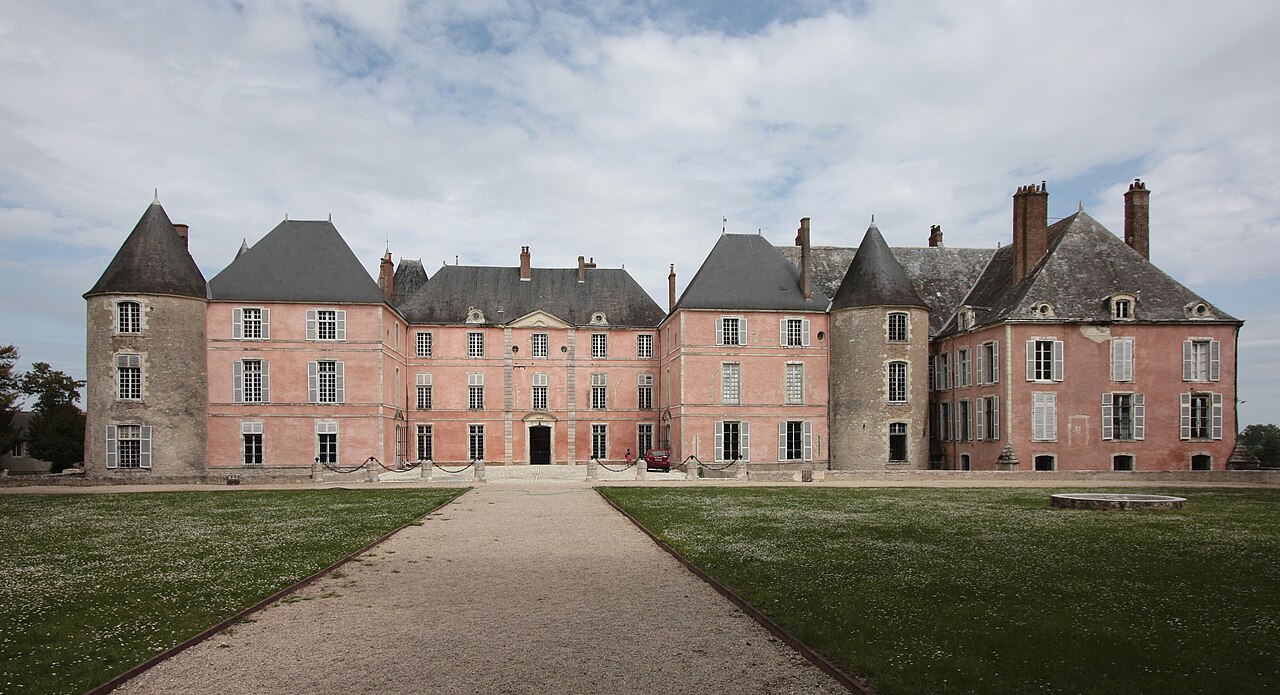
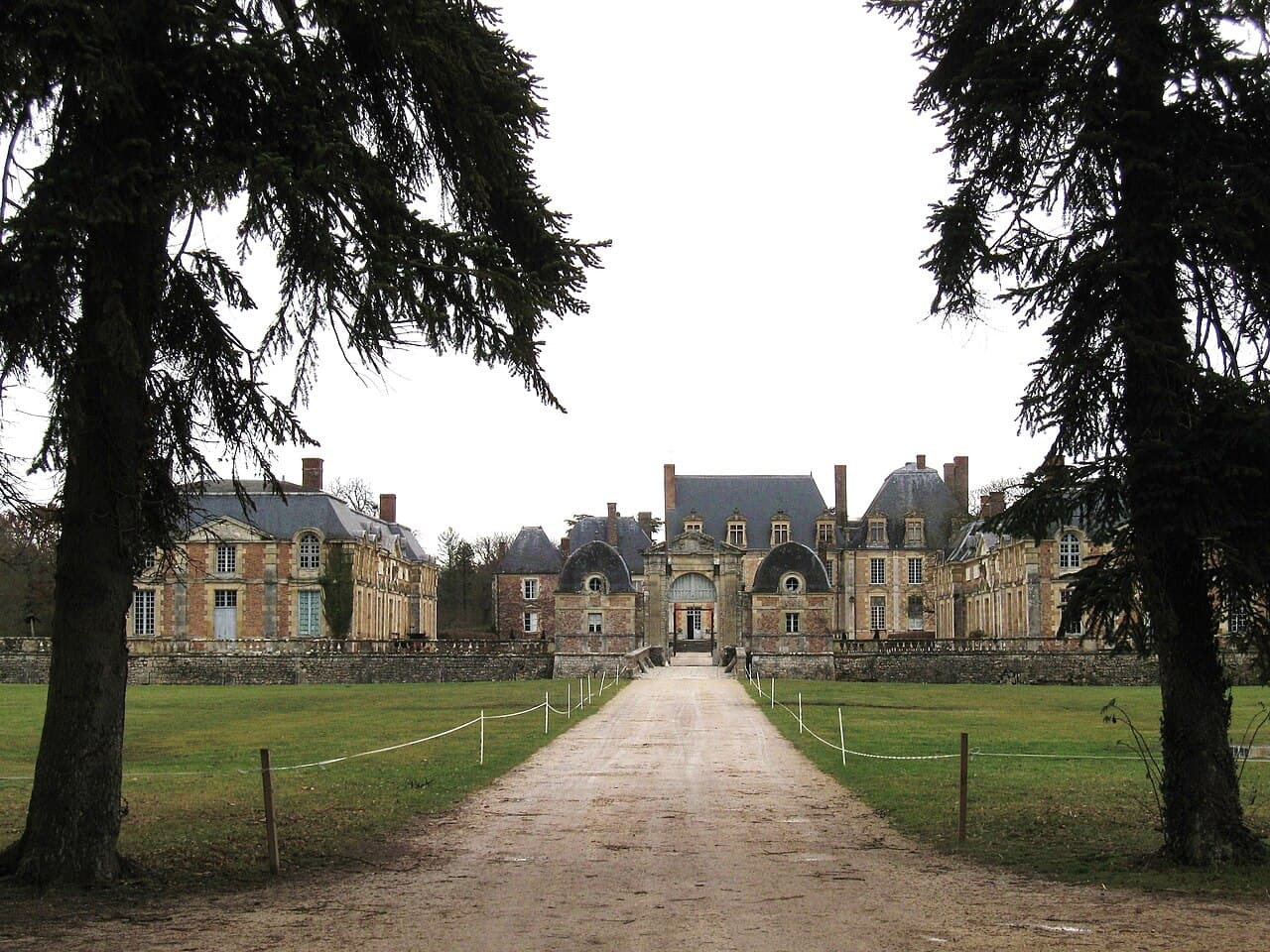
Château de La Ferté-Saint-Aubin is a notable example of a Renaissance hill castle located in the town of La Ferté-Saint-Aubin in the Loiret region of France. Built around 1625 by Henri I de la Ferté Senneterre on the site of an older medieval fortress, this castle combines the defensive legacy of medieval architecture with the refined aesthetics and residential comfort characteristic of the Renaissance period.
Historical origins and early development
The castle was erected to replace a medieval stronghold, reflecting the transition from purely military fortifications to more elegant aristocratic residences. Henri I, who initiated the construction, laid the foundation for what would become a significant noble estate. His son, Henri II de la Ferté Senneterre, elevated the family's status by becoming Marshal of France during the reign of Louis XIV and acquiring the titles of Duke and Peer of the Kingdom. Around fifty years after the initial construction, Henri II expanded the château by adding two large stable buildings that framed the main courtyard, enhancing both the functionality and grandeur of the estate.
Architectural features and estate layout
The château is situated on a gentle hill, typical of hill castles of the region, providing strategic views and natural defense advantages. Its construction reflects the Renaissance architectural style, characterized by symmetry, classical proportions, and ornamental details that replaced the austere medieval fortress look. The main building features elegant facades with large windows, decorative stonework, and a balanced arrangement of towers and wings.
The two great stable buildings added in the 17th century are significant architectural elements, illustrating the importance of equestrian culture among the French nobility. These stables not only served practical needs but also contributed to the château's imposing presence and spatial organization around the courtyard.
19th-century transformations under François-Victor Massena
In 1822, the château passed into the hands of François-Victor Massena, a descendant of Marshal André Masséna, a prominent Napoleonic marshal. Massena undertook substantial modifications to the estate, notably transforming the surrounding grounds into an English-style park, a popular landscaping trend that emphasized naturalistic design, winding paths, and varied plantings over formal French gardens.
He also created the Princess Island within the park to honor his wife, adding a romantic and personalized element to the landscape. Additionally, Massena established a significant ornithological collection housed in the former great stables, turning part of the château into a center for bird conservation and study. These developments reflect the 19th-century aristocratic interest in natural history and leisure pursuits.
20th-century history and preservation efforts
Following Massena's death, the château experienced a period of decline and neglect, exacerbated by damage during the Prussian invasion of 1870. Later, the Dessalles family acquired the property. Madame Renée Dessalles, a widowed Parisian seamstress without children, repurposed a wing of the château as an orphanage, which operated until 1945. That year, an arson attack severely damaged the building, further challenging preservation efforts.
Ownership passed to the O'Gorman family in 1911, who retained the château through inheritance until 1987. Since then, restoration projects have been undertaken to preserve the château's architectural integrity and historical significance.
Current use and cultural significance
Today, Château de La Ferté-Saint-Aubin is a well-preserved heritage site that serves multiple functions. It hosts escape games and is a sought-after venue for events and weddings, blending cultural tourism with community engagement. The château’s combination of Renaissance architecture, historic stables, and English-style parkland makes it a distinctive destination in the Loiret region.
Its layered history, from a noble residence to an orphanage and now a cultural site, reflects broader social and architectural trends in French history. The château remains a valuable example of how historic estates can be adapted for modern use while preserving their heritage.
Frequently asked questions (FAQ)
- How do I visit Château de La Ferté-Saint-Aubin?
- Château de La Ferté-Saint-Aubin is open to visitors and event guests. It is advisable to check the official website or contact the venue directly for current visiting hours and booking information, especially for escape games and special events.
- What architectural style is Château de La Ferté-Saint-Aubin?
- The château is built in the Renaissance architectural style, featuring symmetrical facades, classical proportions, and ornamental stonework typical of 17th-century French noble residences.
- When was the château originally built?
- Construction of Château de La Ferté-Saint-Aubin began around 1625, replacing an older medieval castle on the site.
- Can I host events at Château de La Ferté-Saint-Aubin?
- Yes, the château offers facilities for hosting events such as weddings, corporate gatherings, and cultural activities, making use of its historic ambiance and restored interiors.
- Why is the English-style park significant?
- The English-style park was created in the 19th century by François-Victor Massena. It reflects a shift from formal French gardens to a more naturalistic landscape design, enhancing the château's aesthetic and recreational appeal.
Photo gallery

Information
Website
Visit websiteSources & official resources
Verify the information above using these authoritative references.
Loading map...
Visitor reviews
No reviews yet. Been here? Write the first review and help other travelers!
Write the first reviewVisited this castle? Share your experience
Your review helps other travelers and adds first-hand knowledge to our encyclopedia.