Château de Grosbois
Château de Grosbois stands as a notable example of 17th-century French Renaissance architecture located in Boissy-Saint-Léger, France. Built initially by Nicolas Harlay de Sancy on the former lands of the Saint-Victor abbey at the start of the 1600s, the château reflects the architectural and historical transitions of early modern France. Though incomplete in 1616, the estate was sold to Charles de Valois (1573–1650), the count of Auvergne and later duke of Angoulême, who completed the château around 1640. His contributions included the construction of the enclosing wall in 1623 and the addition of the two wings that define the château’s distinctive U-shaped plan.
Architectural design and layout
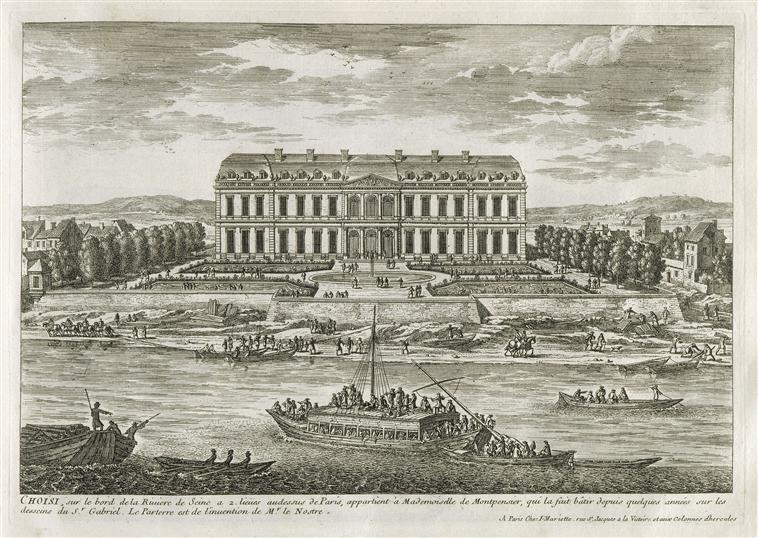
The château’s design is influenced by the works of Jacques Androuet du Cerceau, a prominent architect of the French Renaissance known for his elegant and symmetrical château designs. Château de Grosbois features a U-shaped layout with a central wing curved into an exedra, flanked by two pavilions of equal height, and two lower wings set at right angles. This configuration creates a formal courtyard space, emphasizing balance and grandeur.
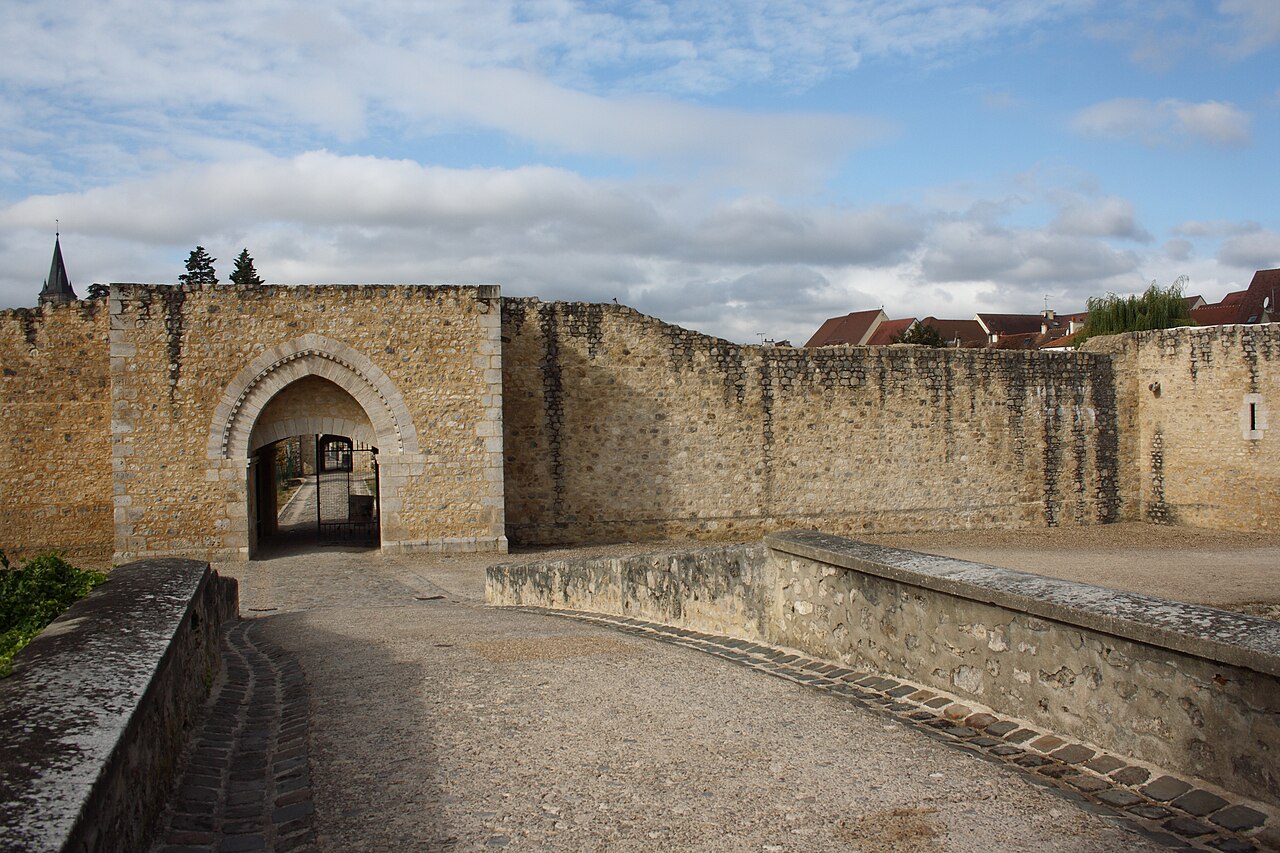
Constructed on a rectangular platform, the château was originally surrounded by a water-filled moat, which is now dry. Access to the château is provided by three bridges, which would have enhanced its defensive posture as well as its aesthetic appeal. The main entrance is marked by an imposing gate built later by Maréchal Berthier across the road, adding to the grandeur of the estate.
Historical ownership and significance
After Charles de Valois’s death in 1650, the estate passed to his granddaughter and the family of the Duke of Joyeuse. Over the 18th century, the château changed hands several times, reflecting the turbulent political and social changes of the era. In 1718, it was acquired by Samuel-Jacques Bernard, son of the wealthy financier Samuel Bernard, who commissioned the woodwork in the salon Régence, an elegant interior space reflecting the Régence style popular in early 18th-century France.
Subsequent owners included Germain Louis Chauvelin and François Marie Peyrenc de Moras, who maintained the estate before it passed to Anne Marie de Merle de Beauchamps in 1771. The château was sold to the comte de Provence in 1776, who was the future King Louis XVIII. During the French Revolution, the property was confiscated as national property and sold in 1797 to Paul Barras, a prominent political figure of the revolutionary period.
In the early 19th century, the château was owned by General Moreau, and then purchased by Napoleon I in 1804, who granted it to Maréchal Berthier, prince of Wagram in 1805. Berthier undertook significant embellishments, expanding the library, creating the galerie des Batailles, and enhancing the salon de l'Empereur and the salon des Huissiers. He also added two pavilions and the grand entrance gate, transforming the estate into a premier hunting ground of the French Empire and a venue for lavish festivals.
The estate remained in the Berthier family until 1918, passing to the princesse de la Tour d’Auvergne and prince Godefroy de la Tour d’Auvergne. In 1962, it was acquired by René Ballière, who repurposed the château as a training center for racehorses, marking a new chapter in its long history.
Interior features and artistic elements
The château’s interiors reflect the evolving tastes of its various owners, with notable features such as the salon Régence woodwork commissioned by Samuel-Jacques Bernard. The library expanded by Maréchal Berthier and his son contained over 3,000 works, highlighting the intellectual pursuits associated with the château. The galerie des Batailles celebrated military victories and served as a grand reception space, while the salon de l'Empereur and salon des Huissiers were richly decorated to honor the imperial patronage of Napoleon’s marshal.
Landscape and grounds
The estate surrounding Château de Grosbois was expanded by Maréchal Berthier to create one of the finest hunting grounds in the French Empire. The grounds originally featured a moat and water defenses, now dry, and extensive parkland suitable for hunting and outdoor festivities. The château’s location in Boissy-Saint-Léger places it within the Île-de-France region, near Paris, making it a significant historic site accessible to visitors interested in French aristocratic heritage and architectural history.
Frequently asked questions (FAQ)
- How do I get to Château de Grosbois?
- Château de Grosbois is located in Boissy-Saint-Léger, France, easily accessible by public transport. You can take the RER A train from central Paris to Boissy-Saint-Léger station, followed by a short walk to the castle.
- What is the historical significance of Château de Grosbois?
- Château de Grosbois dates back to the 17th century and has served various purposes throughout its history, including as a residence for nobility. Its architecture reflects the grandeur of the French Renaissance, making it an important example of this period in French history.
- When was Château de Grosbois built?
- The construction of Château de Grosbois began in 1640 and was completed in the late 17th century. Over the years, the castle has undergone several renovations, preserving its historical features while adapting to modern uses.
- Can I visit Château de Grosbois?
- Yes, Château de Grosbois is open to visitors, allowing you to explore its beautiful grounds and stunning architecture. Guided tours are often available, offering insights into its rich history and significance.
- Is it possible to rent the Château for events?
- Yes, Château de Grosbois can be rented for private events such as weddings and corporate gatherings. The picturesque setting and elegant interiors make it a popular choice for special occasions.
- What are the opening hours of Château de Grosbois?
- Château de Grosbois is typically open to the public from Tuesday to Sunday, with specific hours varying by season. It is advisable to check the official website for the most current opening times before planning your visit.
- What is the best time to visit Château de Grosbois?
- The best time to visit Château de Grosbois is during the spring and early autumn when the weather is pleasant and the gardens are in full bloom. Summer months also attract visitors, but be prepared for larger crowds during this peak season.
- Are there any nearby attractions to visit?
- Yes, nearby attractions include the Parc de Sceaux, known for its beautiful gardens and chateau, and the historical town of Créteil. Combining your visit to Château de Grosbois with these nearby sites can enhance your experience in the area.
- What are the ticket prices for Château de Grosbois?
- Ticket prices for Château de Grosbois vary depending on the type of visit, such as guided tours or special events. It is recommended to check the official website for the most accurate and up-to-date pricing information before your visit.
- Is there accessibility for visitors with disabilities at Château de Grosbois?
- Château de Grosbois strives to be accessible to all visitors, with facilities to assist those with disabilities. However, due to the historical nature of the building, some areas may have limited accessibility, so it's best to inquire ahead of your visit.
Information
Loading map...
Visitor reviews
No reviews yet. Been here? Write the first review and help other travelers!
Write the first reviewVisited this castle? Share your experience
Your review helps other travelers and adds first-hand knowledge to our encyclopedia.