Château de Florac
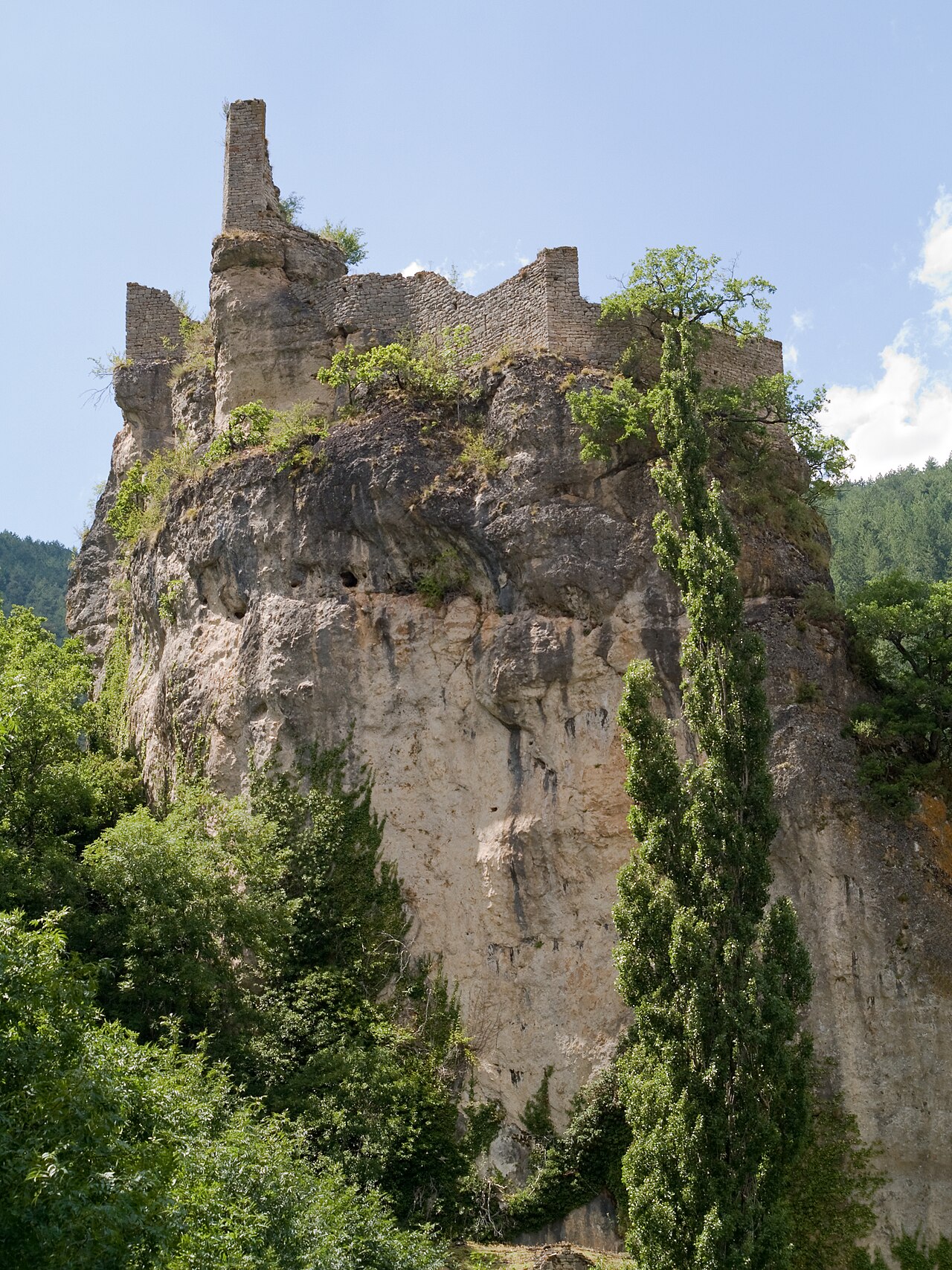
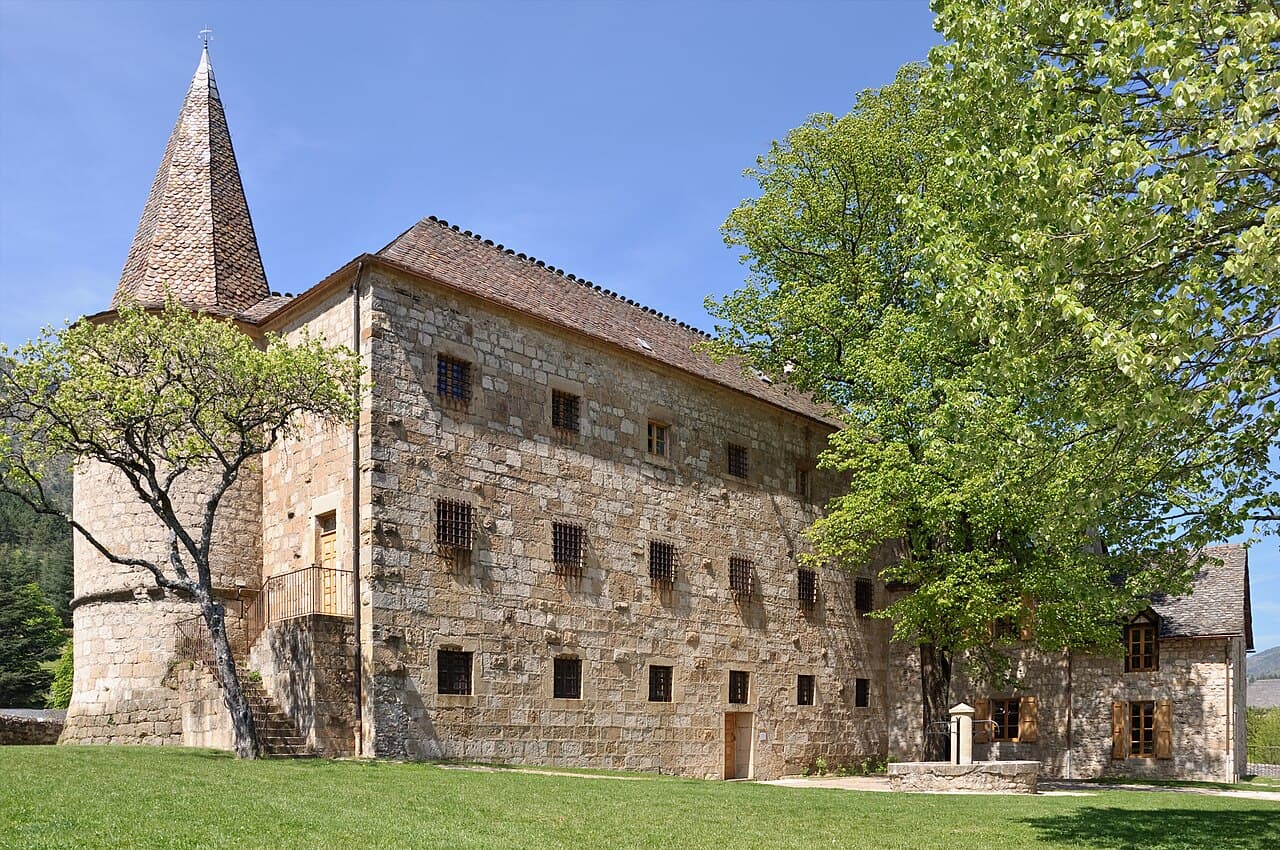
Château de Florac is a notable hill castle located in the town of Florac, in the Lozère department of south-central France. Originally constructed in the 13th century, this castle has witnessed significant historical transformations, both architecturally and functionally, reflecting the turbulent history of the region. It stands today not only as a monument of medieval and early modern military architecture but also as the administrative center of the Cévennes National Park.
Medieval origins and feudal heritage
The Château de Florac was initially built during the High Medieval period, around the 13th century, as a fortified residence for the lords of the Barony of Anduze. This strategic location atop a hill allowed the castle to oversee and control the surrounding valley, a common defensive advantage for hill castles of this era. The castle passed through various feudal families, each contributing to its evolving structure and function within the region's feudal system.
17th-century reconstruction and architectural features
The castle underwent a comprehensive rebuilding in 1652, following the destructive Wars of Religion in France. This reconstruction transformed the medieval fortress into a more modern stronghold suited to the military and residential needs of the time. The 17th-century rebuild likely incorporated elements of Renaissance military architecture, emphasizing thicker walls and improved artillery defenses, although specific architectural details remain less documented.
Despite these updates, the castle retained its fundamental hill castle characteristics, including elevated defensive walls and a commanding view over the town of Florac and the surrounding Cévennes landscape. The castle’s layout includes robust curtain walls and a central keep, typical of medieval fortifications adapted to early modern warfare.
Roles through history: salt storage and prison
During the French Revolution, the castle’s military role diminished, and it was repurposed as a salt loft for storing salt, an essential commodity subject to state monopoly and taxation. This function reflects the castle’s adaptive reuse during periods of political and social upheaval.
In the 19th century, the castle was converted into a prison. This change in use demonstrates the flexibility of castle structures in accommodating civil administrative needs beyond their original defensive purposes. The prison period left its mark on the internal arrangement of the castle, with modifications to accommodate cells and security features.
Modern restoration and current use
Since 1976, the Château de Florac has served as the headquarters of the Cévennes National Park. The park authority undertook significant restoration efforts to preserve the castle’s structural integrity and historical character while adapting it for public and administrative use.
The castle now houses an exhibition on the National Park, showcasing the region’s landscape, flora, fauna, and outdoor activities. The ground and first floors are dedicated to this exhibition, providing visitors with educational resources about the park’s natural and cultural heritage.
The information centre located within the castle offers details on hiking trails, guided tours, accommodation, and nearby écomusées (open-air museums), making it a vital resource for tourists and nature enthusiasts exploring the Cévennes region.
Architectural and cultural significance
The Château de Florac exemplifies the evolution of a medieval fortress adapted through centuries to meet changing military, economic, and administrative needs. Its transformation from a feudal stronghold to a salt storage facility, then a prison, and finally a national park headquarters highlights the adaptive reuse of historic castles in France.
The castle’s location in the Cévennes, a region known for its rugged terrain and rich biodiversity, enhances its cultural importance. It serves as a gateway to understanding the historical interaction between human settlement, defense, and natural environment in this part of France.
Visitors to the castle can appreciate both the architectural elements typical of High Medieval fortifications and the later modifications reflecting the 17th-century military and civil architectural trends. The castle’s preservation and current function contribute to the ongoing protection and promotion of the Cévennes National Park’s unique heritage.
Frequently asked questions (FAQ)
- What are the opening hours of Château de Florac?
- Château de Florac is generally open to visitors during regular daytime hours, often from morning until late afternoon. It is best to check the Cévennes National Park website or local tourist information for the most current visiting times.
- Can I visit exhibitions at Château de Florac?
- Yes, the castle houses exhibitions on the Cévennes National Park's landscape, flora, fauna, and outdoor activities. These exhibitions are located on the ground and first floors and provide educational insights into the park's natural environment.
- What is the historical significance of Château de Florac?
- Château de Florac has a rich history dating back to the 13th century as a feudal stronghold. It was rebuilt in the 17th century after the Wars of Religion and later served as a salt storage facility and prison, reflecting its varied roles over centuries.
- Is Château de Florac accessible for visitors with mobility issues?
- While the castle has been restored and adapted for public use, some areas may present challenges for visitors with mobility issues due to its historic structure. It is recommended to contact the visitor center in advance to inquire about accessibility options.
- When was Château de Florac rebuilt?
- The castle was entirely rebuilt in 1652 following damage sustained during the Wars of Religion, reflecting changes in military architecture during that period.
Photo gallery

Information
Loading map...
Visitor reviews
No reviews yet. Been here? Write the first review and help other travelers!
Write the first reviewVisited this castle? Share your experience
Your review helps other travelers and adds first-hand knowledge to our encyclopedia.