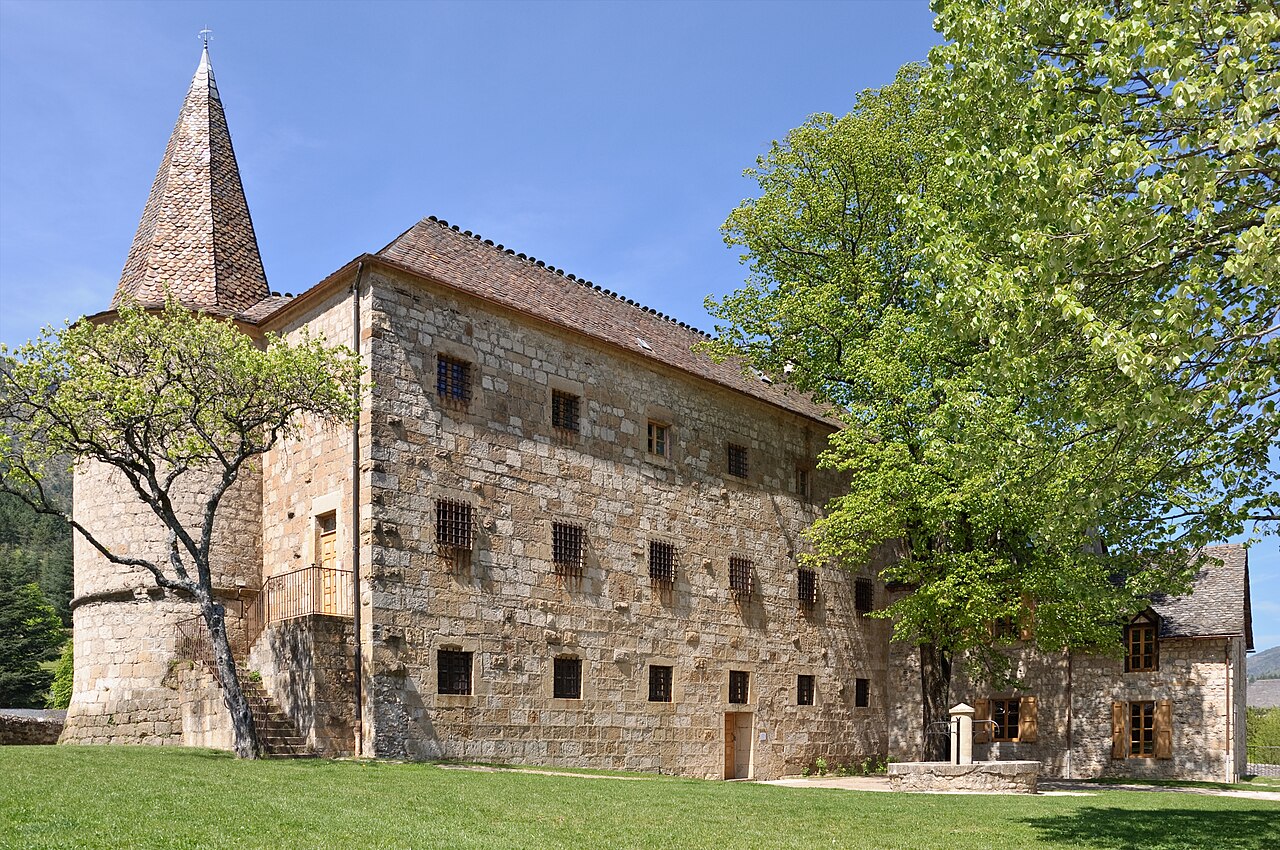
Château de Castelbouc — France castle

Château de Castelbouc

Château de Castelbouc: medieval castle ruins in Sainte-Enimie, France
Sainte-Enimie, France
High Medieval (11th–13th c.)
Ruins

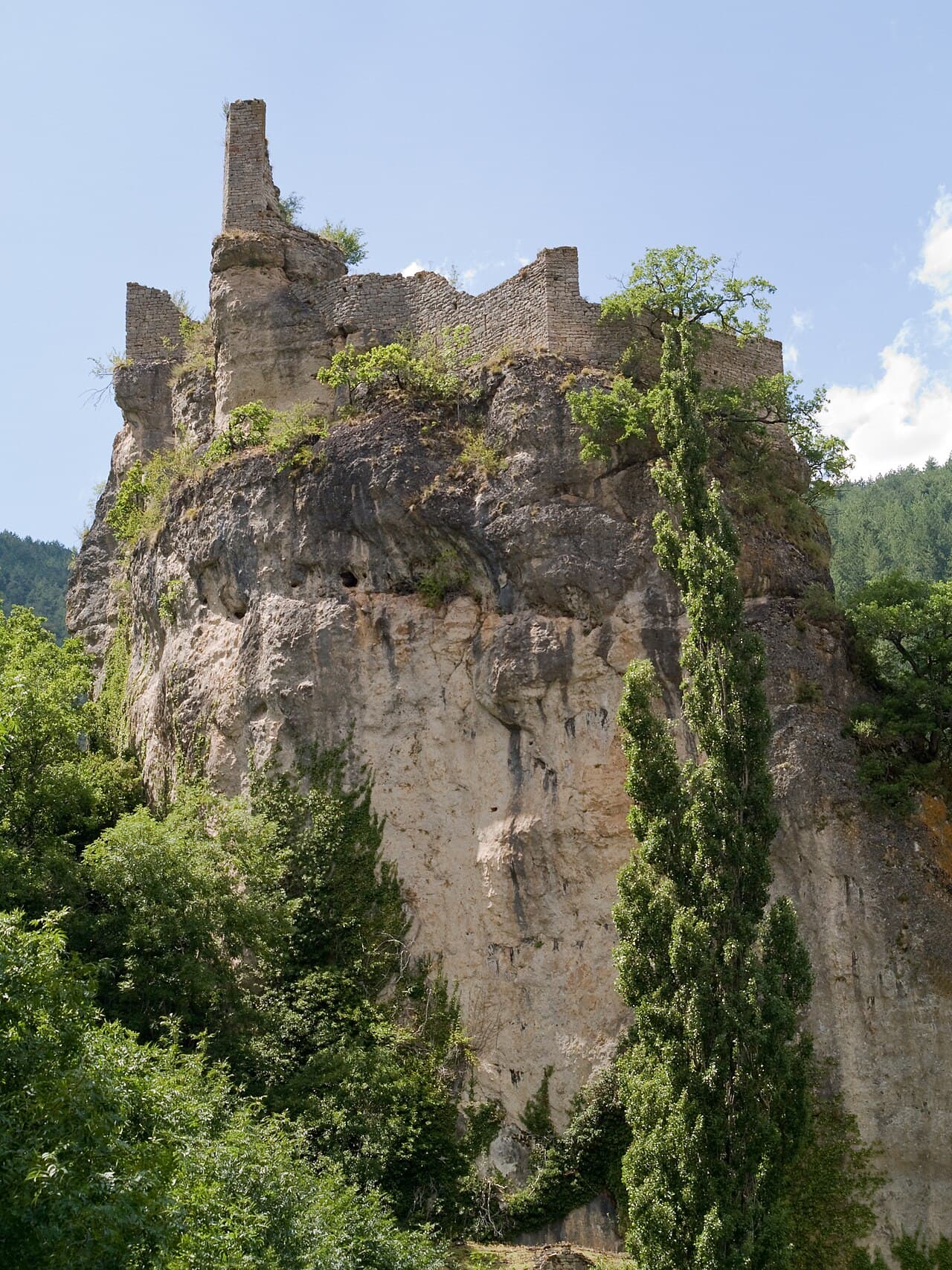
Château de Castelbouc is a medieval castle ruin located in the small village of Castelbouc, part of the commune of Sainte-Enimie in the Lozère department of southern France. Perched on a prominent rock spur overlooking the surrounding landscape, the castle's strategic position provided natural defense and commanding views of the valley below.

Origins and historical context

The castle was first documented in the 12th century, during the High Medieval period, when it was owned by Etienne de Castelbouc. This period saw the construction of many fortified structures across France, reflecting the feudal system and the need for local lords to defend their territories.

Château de Castelbouc was part of a network of fortifications in the region, serving both military and administrative functions. Its location on a rocky outcrop made it a natural fortress, difficult to assault and easy to defend.

Architectural features and layout

Though now in ruins, archaeological studies and remaining structures reveal that Château de Castelbouc was built primarily from local stone, integrating the natural rock formations into its defenses. The castle likely featured thick curtain walls following the contours of the rock spur, with towers positioned at key points to provide flanking fire and observation.

The layout probably included a keep or donjon serving as the last line of defense and residence of the lord, surrounded by a bailey or courtyard. Defensive elements such as battlements and narrow arrow slits would have been incorporated to repel attackers.

Access to the castle was likely controlled by a fortified gatehouse, possibly with a drawbridge or narrow entrance path to hinder enemy approach.

Destruction during the Wars of Religion

In 1592, during the turbulent French Wars of Religion, Château de Castelbouc was razed. These wars, fought between Catholics and Huguenots, led to widespread destruction of many fortifications across France as factions sought to control strategic points.

The castle never recovered from this damage and gradually fell into ruin. Its destruction marked the end of its military significance and the decline of feudal strongholds in the region.

Present condition and heritage significance

Today, Château de Castelbouc stands as a ruined archaeological site that attracts visitors interested in medieval history and architecture. The ruins offer a glimpse into the defensive strategies and living conditions of the High Medieval nobility in southern France.

Preservation efforts focus on stabilizing the remaining structures and providing interpretive information to help visitors understand the castle's historical context.

Visiting Château de Castelbouc

Visitors to Château de Castelbouc can explore the site and enjoy panoramic views of the surrounding Lozère landscape. The castle's remote location and rugged terrain provide a sense of stepping back into medieval times.

Nearby, the village of Sainte-Enimie offers additional cultural and natural attractions, including the scenic Tarn Gorges and traditional architecture.

Frequently asked questions (FAQ)

How do I get to Château de Castelbouc?
Château de Castelbouc is located in Sainte-Enimie, France, and can be reached by car or public transport. The closest major city is Mende, from where you can take a bus or drive approximately 30 minutes to the castle. Parking is available near the site, but be prepared for some walking as the castle is situated on a hill.
What is the historical significance of Château de Castelbouc?
Château de Castelbouc dates back to the 12th century and played a vital role in the defense of the region during the Middle Ages. Its strategic position overlooking the Tarn River allowed it to serve as a lookout and fortress against invasions. Today, it stands as a testament to the feudal architecture of the time and offers insight into the region's rich history.
When was Château de Castelbouc built?
Château de Castelbouc was constructed in the 12th century, with subsequent modifications made in the following centuries. Originally built as a defensive stronghold, it has witnessed significant historical events over the centuries. The castle has been partially restored, allowing visitors to appreciate its medieval architecture.
Can I visit Château de Castelbouc year-round?
Yes, Château de Castelbouc is open to visitors year-round, although specific opening hours may vary by season. It is advisable to check the official website for the most current information on visitation days and times. The best experience is during the warmer months when the weather is pleasant for exploring the grounds.
Why is Château de Castelbouc a popular attraction?
Château de Castelbouc is popular due to its stunning location and breathtaking views of the surrounding landscape. The castle's historical significance, coupled with its architectural beauty, attracts history enthusiasts and photographers alike. Additionally, its proximity to the Gorges du Tarn makes it a perfect stop for those exploring the natural wonders of the area.
Is it possible to explore the castle grounds independently?
Yes, visitors can explore the castle grounds independently, allowing for a self-guided experience. Informational panels are available throughout the site to provide context and details about various areas of the castle. However, guided tours may also be offered during peak seasons for those interested in a more in-depth experience.
What are the ticket prices for Château de Castelbouc?
Ticket prices for visiting Château de Castelbouc are relatively affordable, with discounts often available for students and children. Prices may vary slightly depending on the season, so it is best to check the official website for the most accurate information before your visit. Special rates may also be offered for groups or guided tours.
What is the best time to visit Château de Castelbouc?
The best time to visit Château de Castelbouc is during the spring and early autumn when the weather is mild and the surrounding landscapes are particularly beautiful. These seasons also tend to have fewer tourists, allowing for a more enjoyable experience. Summer can be hot, but it is also a popular time for visitors, so plan accordingly.
Are there any nearby attractions to visit after Château de Castelbouc?
Yes, there are several nearby attractions worth visiting after exploring Château de Castelbouc. The Gorges du Tarn, known for its stunning natural beauty, is just a short drive away and offers various outdoor activities. Additionally, the charming village of Sainte-Enimie, with its medieval streets and local eateries, is a great place to explore.

Photo gallery

Château de Castelbouc
Click to view

Photo by Myrabella•CC BY-SA 3.0

1 photo • Click any image to view in full screen

Information

Archaeological Site / Ruins

Loading map...

Visitor reviews

No reviews yet. Been here? Write the first review and help other travelers!

Write the first review

Visited this castle? Share your experience

Your review helps other travelers and adds first-hand knowledge to our encyclopedia.

Write a review

(5/5)

0/2000 characters

Your review will be visible after admin approval

Nearby castles

1.2 km

Château de Prades

Gorges du Tarn Causses, France

Château de Prades is a medieval fortress located in the dramatic landscape of the Gorges du Tarn Causses in southern France. Constructed in the early 13th century, this castle exemplifies the military architecture of the high medieval period in the region. Its strategic position overlooking the Tarn river gorge provided both defensive advantages and control over the surrounding territory. Historical background and ownership The castle was originally built in the 13th century during a time of feudal consolidation and territorial disputes in the Languedoc region. It was subsequently owned by the Sainte-Enimie abbey, a religious institution that held significant influence in the area. The abbey's possession of the castle reflects the common medieval practice of monastic communities controlling fortifications to secure their lands and assert power. Throughout its history, Château de Prades witnessed the shifting political landscape of medieval France, including the impacts of the Albigensian Crusade and later regional conflicts. Its role was primarily defensive, guarding the approaches through the rugged terrain of the Causses and the Tarn river valley. Architectural features and design The castle's architecture is characteristic of high medieval fortifications with robust stone walls designed to withstand sieges. Although now in a state of partial preservation, the remains include sections of the curtain walls and foundational structures that suggest a compact, fortified enclosure adapted to the rocky terrain. Key architectural elements likely included a keep or central tower, defensive battlements, and possibly a gatehouse controlling access to the interior. The use of local stone materials integrated the castle harmoniously into its natural surroundings. The castle's elevated position on a rocky outcrop provided natural defense, limiting the directions from which attackers could approach. This topographical advantage was typical of hill castles constructed during the medieval period to maximize defensive capabilities. Defensive adaptations Given its location overlooking the Tarn gorge, Château de Prades likely featured adaptations such as narrow arrow slits and thick walls to repel invaders. The steep cliffs around the site would have acted as natural barriers, reducing the need for extensive outer fortifications. Current condition and ownership Today, Château de Prades is privately owned and is not widely open to the public. The castle remains in a state of partial preservation, with some structural elements visible but much of the original complex in ruins or heavily weathered by time. Its remote location and condition have limited extensive restoration efforts, but the site remains an important cultural landmark within the Gorges du Tarn Causses, attracting interest from historians and enthusiasts of medieval architecture. Significance in regional heritage Château de Prades is a valuable example of the high medieval military architecture that shaped the landscape of southern France. It illustrates the intersection of religious and feudal powers during the Middle Ages, particularly through its association with the Sainte-Enimie abbey. The castle contributes to the understanding of defensive strategies employed in the rugged terrain of the Causses and the Tarn valley. Its presence underscores the importance of controlling key geographic points in medieval territorial governance. Tourism and accessibility While the castle is privately owned and not generally accessible for public tours, the surrounding Gorges du Tarn area is a popular destination for visitors interested in natural beauty and historical sites. Nearby villages and trails offer views of the castle ruins and the dramatic landscape it commands. Visitors to the region can explore other medieval sites and enjoy hiking, canoeing, and cultural experiences linked to the rich heritage of the Languedoc region.

High Medieval (11th–13th c.)
Details
8.4 km

Château de La Caze

Sainte-Enimie, France

Château de La Caze is a significant late medieval castle located in the picturesque village of Sainte-Enimie in southern France. Constructed in 1420 by Soubeyrane Alamand and Guillaume de Montclar, this fortress exemplifies the military architecture of the 15th century, a period marked by the transition from medieval fortifications to more residential and comfortable noble residences. The castle's strategic position overlooking the Tarn Gorge provided both defense and control over the surrounding region.Historical context and constructionThe castle was built during the late medieval period, a time when France was emerging from the turmoil of the Hundred Years' War. The builders, notable local lords, designed Château de La Caze to serve both as a stronghold and a noble residence. Its construction reflects the defensive needs of the era, with thick stone walls and fortified towers designed to withstand sieges and attacks.Founders and their legacySoubeyrane Alamand and Guillaume de Montclar were influential figures in the region, and their collaboration on this castle underscores the importance of alliances among noble families during the period. Their legacy is preserved not only in the castle's robust architecture but also in its continued prominence in local history.Architectural featuresThe castle exhibits typical late medieval military architecture with a focus on defense. It features thick curtain walls and corner towers that provided vantage points for surveillance and defense. The entrance was likely protected by a gatehouse and possibly a drawbridge, common features in castles of this era to control access.Internally, the castle would have contained a great hall for gatherings and feasts, private chambers for the lords, and service areas. While much of the original interior layout has been adapted over time, traces of the medieval design remain visible.Location and strategic importanceSituated in the Lozère department of the Occitanie region, Château de La Caze commands views over the Tarn River and the surrounding gorges. This vantage point was crucial for monitoring trade routes and defending against potential invaders. The castle's location also reflects the medieval practice of situating fortresses in naturally defensible positions.Role during the French RevolutionDuring the French Revolution, Château de La Caze was repurposed as a prison. This change of use illustrates the turbulent social and political upheavals of the time, when many noble estates were confiscated and adapted for revolutionary needs. The castle's robust construction made it suitable for detaining prisoners securely.Modern use and preservationToday, Château de La Caze has been transformed into a luxury hotel, offering visitors a chance to experience its historic ambiance combined with modern comforts. The adaptive reuse of the castle has helped preserve its structure and maintain its relevance in contemporary times. Guests can appreciate the castle's medieval architecture while enjoying amenities that respect the building's heritage.The preservation of Château de La Caze ensures that its historical and architectural significance remains accessible, contributing to the cultural tourism of the region. Its status as a well-maintained late medieval fortress provides valuable insights into the defensive strategies and noble lifestyles of 15th-century France.

Late Medieval (14th–15th c.)
Details
10.4 km
Château de Florac — France castle

Château de Florac

Florac, France

Château de Florac is a notable hill castle located in the town of Florac, in the Lozère department of south-central France. Originally constructed in the 13th century, this castle has witnessed significant historical transformations, both architecturally and functionally, reflecting the turbulent history of the region. It stands today not only as a monument of medieval and early modern military architecture but also as the administrative center of the Cévennes National Park. Medieval origins and feudal heritage The Château de Florac was initially built during the High Medieval period, around the 13th century, as a fortified residence for the lords of the Barony of Anduze. This strategic location atop a hill allowed the castle to oversee and control the surrounding valley, a common defensive advantage for hill castles of this era. The castle passed through various feudal families, each contributing to its evolving structure and function within the region's feudal system. 17th-century reconstruction and architectural features The castle underwent a comprehensive rebuilding in 1652, following the destructive Wars of Religion in France. This reconstruction transformed the medieval fortress into a more modern stronghold suited to the military and residential needs of the time. The 17th-century rebuild likely incorporated elements of Renaissance military architecture, emphasizing thicker walls and improved artillery defenses, although specific architectural details remain less documented. Despite these updates, the castle retained its fundamental hill castle characteristics, including elevated defensive walls and a commanding view over the town of Florac and the surrounding Cévennes landscape. The castle’s layout includes robust curtain walls and a central keep, typical of medieval fortifications adapted to early modern warfare. Roles through history: salt storage and prison During the French Revolution, the castle’s military role diminished, and it was repurposed as a salt loft for storing salt, an essential commodity subject to state monopoly and taxation. This function reflects the castle’s adaptive reuse during periods of political and social upheaval. In the 19th century, the castle was converted into a prison. This change in use demonstrates the flexibility of castle structures in accommodating civil administrative needs beyond their original defensive purposes. The prison period left its mark on the internal arrangement of the castle, with modifications to accommodate cells and security features. Modern restoration and current use Since 1976, the Château de Florac has served as the headquarters of the Cévennes National Park. The park authority undertook significant restoration efforts to preserve the castle’s structural integrity and historical character while adapting it for public and administrative use. The castle now houses an exhibition on the National Park, showcasing the region’s landscape, flora, fauna, and outdoor activities. The ground and first floors are dedicated to this exhibition, providing visitors with educational resources about the park’s natural and cultural heritage. The information centre located within the castle offers details on hiking trails, guided tours, accommodation, and nearby écomusées (open-air museums), making it a vital resource for tourists and nature enthusiasts exploring the Cévennes region. Architectural and cultural significance The Château de Florac exemplifies the evolution of a medieval fortress adapted through centuries to meet changing military, economic, and administrative needs. Its transformation from a feudal stronghold to a salt storage facility, then a prison, and finally a national park headquarters highlights the adaptive reuse of historic castles in France. The castle’s location in the Cévennes, a region known for its rugged terrain and rich biodiversity, enhances its cultural importance. It serves as a gateway to understanding the historical interaction between human settlement, defense, and natural environment in this part of France. Visitors to the castle can appreciate both the architectural elements typical of High Medieval fortifications and the later modifications reflecting the 17th-century military and civil architectural trends. The castle’s preservation and current function contribute to the ongoing protection and promotion of the Cévennes National Park’s unique heritage.

High Medieval (11th–13th c.)
Details