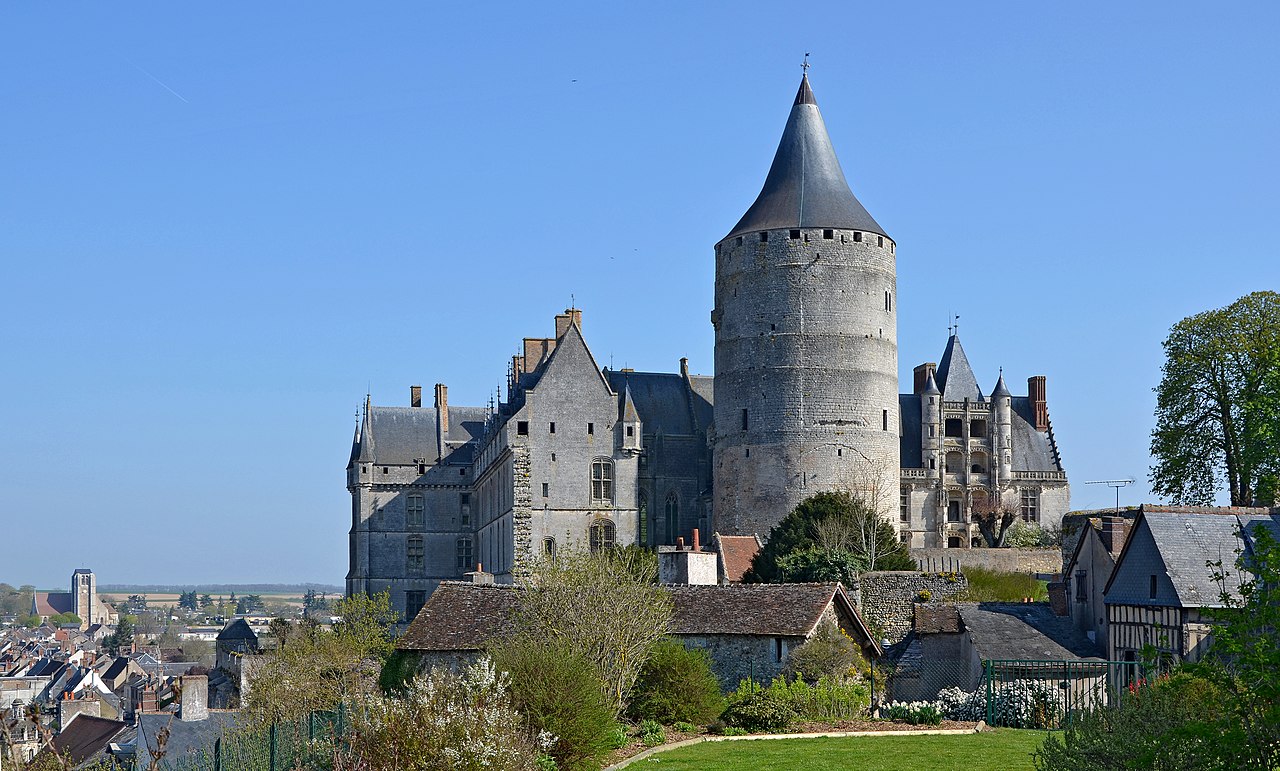
Château de Courtalain
The Château de Courtalain stands as a remarkable example of a noble estate with a rich history stretching back to the late medieval period. Located in the municipality of Vald’Yerre, France, this château was originally constructed in 1483 by Guillaume d’Avaugour. Its foundation during the Renaissance era marks it as a significant architectural and historical landmark within the region.
Throughout its existence, the château has witnessed several important transitions in ownership and function, reflecting the broader social and political changes in French history. In 1553, the estate passed to the Montmorency family through the marriage of Jacqueline d’Avaugour to Pierre I de Montmorency-Fosseux. The Montmorency lineage maintained stewardship of the château for nine generations, preserving its status as a noble residence for centuries.
Historical lineage and ownership transitions
The French Revolution brought a temporary upheaval to the château’s ownership. During this turbulent period, the estate was occupied by a blacksmith and a butcher, marking a brief departure from noble possession. However, the château was eventually restored to its aristocratic owners, underscoring its resilience and continued cultural importance.
In the 19th century, specifically in 1862, the château entered a new chapter under the Gontaut-Biron family. This transition occurred through marriage between the niece of the last Montmorency duke and Louis de Gontaut-Biron. Since then, the estate has remained inhabited by their direct descendants, maintaining a continuous family presence that enriches its historical narrative.
Role during world war ii and cultural preservation
The château played a crucial role during the early stages of the Second World War. From August 31 to September 6, 1939, it served as a major storage site for valuable artworks, including Egyptian antiquities from the Louvre, tapestries from the Saint-Germain-en-Laye museum, and Napoleonic collections from La Malmaison. This protective measure highlights the château’s cultural significance and the commitment of its owners to safeguarding France’s artistic heritage. As German forces advanced in June 1940, these collections were relocated to another family estate, the château de Saint-Blancard, ensuring their continued preservation.
Architectural evolution and stylistic features
The architecture of Château de Courtalain reflects a fascinating blend of styles shaped by centuries of renovations and additions. The original structure incorporates Renaissance elements dating to its initial construction, characterized by balanced proportions and classical details. Over time, the château saw the introduction of English neo-Gothic features, which added a romantic and picturesque quality to the estate’s appearance. Modifications from the 18th century further contributed to its eclectic architectural character.
The château’s layout includes notable architectural features such as towers, fortified walls, and elegant living quarters, although specific measurements and internal configurations are not extensively documented. The combination of styles illustrates the evolving aesthetic preferences and functional requirements of its noble inhabitants across different historical periods.
The surrounding landscape and gardens
Set within an extensive English garden, the château is surrounded by a tranquil and secluded natural environment. The grounds boast remarkable ancient trees, including cedars imported from Lebanon, which contribute to the estate’s distinguished atmosphere. These botanical features enhance the historical ambiance and provide a serene setting that complements the château’s architectural grandeur.
Heritage status and cultural significance
The château and its associated outbuildings are recognized as important historical and architectural monuments. Official protection began in 1926 with its listing as a historic monument, followed by further designations in 1981 and 1997. These classifications affirm the château’s preservation status and underscore its value as a cultural heritage site.
The estate’s connection to prominent cultural figures is also notable. The nearby church of Courtalain houses the tomb of Perette de Baif, linking the château to significant historical personalities and enriching its cultural narrative.
Today, the Château de Courtalain stands as a testament to noble lineage, architectural adaptation, and cultural preservation. Its layered history, distinctive architectural features, and serene landscape make it a vital part of France’s heritage, attracting interest from historians, architects, and visitors alike.
Frequently asked questions (FAQ)
- How do I get to Château de Courtalain?
- Château de Courtalain is located in Vald’Yerre, France, and can be easily reached by car or public transportation. If you are driving, take the A10 motorway and follow the signs to Vald’Yerre. For public transport, check local train and bus schedules for the best routes to the castle.
- What is the historical significance of Château de Courtalain?
- Château de Courtalain dates back to the 17th century and serves as a prime example of French Renaissance architecture. It has been a witness to significant historical events and has undergone various restorations, reflecting the changing styles and needs of its inhabitants over the centuries. The castle is also a symbol of the local heritage and culture.
- When was Château de Courtalain built?
- Construction of Château de Courtalain began in the early 1600s and was completed by the mid-17th century. The castle was commissioned by a prominent noble family, and its design showcases the elegance of the period, making it a notable historical site in the region. Its architecture features classic elements that have been preserved throughout the years.
- Can I take a guided tour of Château de Courtalain?
- Yes, guided tours of Château de Courtalain are available for visitors who want to learn more about its history and architecture. Tours typically include access to various rooms and gardens, providing a comprehensive experience of the castle. It is recommended to book in advance, especially during peak tourist seasons.
- Why is the architecture of Château de Courtalain noteworthy?
- The architecture of Château de Courtalain is noteworthy for its blend of classical French Renaissance styles and intricate detailing. The castle features elegant facades, grand staircases, and beautifully landscaped gardens that reflect the grandeur of its era. Its design serves as an important representation of the architectural trends that influenced the region.
- Is it possible to host events at Château de Courtalain?
- Yes, Château de Courtalain is available for hosting various events such as weddings, corporate gatherings, and cultural activities. The picturesque setting and historic ambiance make it an attractive venue for special occasions. Interested parties should contact the castle management for specific details regarding bookings and services.
- What are the opening hours of Château de Courtalain?
- Château de Courtalain is typically open to visitors from 10 AM to 6 PM, but hours may vary depending on the season and specific events. It is advisable to check the official website or contact the castle directly for the most current information on opening hours before planning your visit. Special hours may apply during holidays or events.
- What are the ticket prices for visiting Château de Courtalain?
- Ticket prices for Château de Courtalain vary based on age and the type of tour selected. Generally, adult tickets range from €10 to €15, while discounted rates are available for children and students. Group discounts may also be offered, so it’s worth inquiring when booking your visit.
- When is the best time to visit Château de Courtalain?
- The best time to visit Château de Courtalain is during the spring and early autumn months when the weather is pleasant and the gardens are in full bloom. These seasons offer a picturesque backdrop for exploring the castle's grounds and enjoying outdoor activities. Additionally, visiting during weekdays can help avoid larger weekend crowds.
- Are there any nearby attractions to visit while at Château de Courtalain?
- Yes, there are several nearby attractions that complement a visit to Château de Courtalain, including local museums, parks, and historical sites. The charming town of Vald’Yerre offers delightful cafes and shops, making it a great place to explore after your castle visit. Be sure to check local tourist information for recommendations on nearby sights and activities.
Information
Website
Visit websiteSources & official resources
Verify the information above using these authoritative references.
Loading map...
Visitor reviews
No reviews yet. Been here? Write the first review and help other travelers!
Write the first reviewVisited this castle? Share your experience
Your review helps other travelers and adds first-hand knowledge to our encyclopedia.