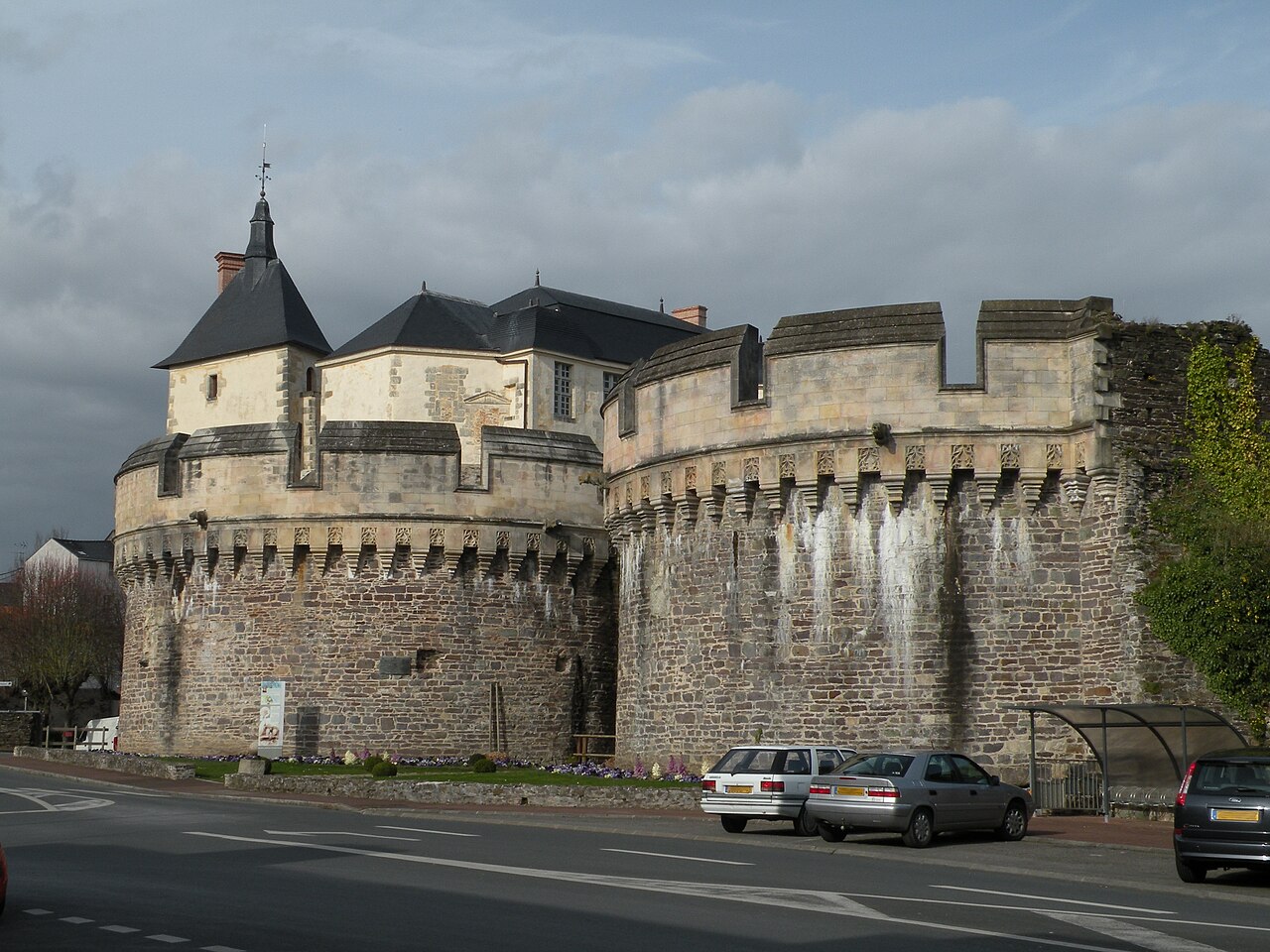
Château de Clermont
Château de Clermont stands as a significant example of 17th-century Renaissance architecture in the Loire region of France. Constructed between 1643 and 1649 by the Chenu de Clermont family, who were prominent military administrators and loyal vassals of the House of Condé, the château reflects the political and military prestige of its builders during the turbulent period of the French Ancien Régime.
The château was inherited by the de Funès family from the Countess of Maupassant, linking it to notable French aristocratic lineages. Its origins are closely tied to René Chenu (1599–1672), governor of the fortified towns of Oudon and Champtoceaux, and his son Hardy Chenu (1621–1683), who oversaw fortifications in Brittany. The Chenu family's allegiance to the House of Condé, especially during the minority of Louis XIV, is a defining aspect of the château's history. Tradition holds that one of the Chenu saved the life of Henry II de Bourbon, prince de Condé, which may have inspired the château's grand construction as a symbol of gratitude and recognition.
Architectural design and style
The design of Château de Clermont embodies the late Renaissance style with clear Italian influences that were becoming fashionable among French architects studying in Rome and Venice during the mid-17th century. Unlike many earlier châteaux where wings were as tall as the main building to enclose the courtyard fully, Clermont features smaller and lower wings attached to the central body. This architectural choice marks a transition from the fortified castle designs to more residential and aesthetic considerations.
The château's southern façade overlooks the River Loire, offering expansive views over the Pays des Mauges and the Pays de Retz. The northern side features a shaded avenue perpendicular to the Paris-Nantes road, framed by the original wings, creating a formal and balanced approach. The wings housed servant quarters, stables, and greenhouses, strategically placed for supervision by the lord of the manor.
Structural features
The château includes notable architectural elements reminiscent of medieval defensive structures, such as machicolations supporting the high roofs on the Loire side and corbelling on both northern and southern façades. These features blend harmoniously with Renaissance aesthetics, symbolizing a blend of tradition and innovation.
The wings connect to the main body through arched passages leading to the gardens and farmyard, breaking the monotony of the formal lines and enhancing functional convenience. The kitchens are located on the right side where the wings join the main house, while the left side houses the chapel, which retains its original altar and retable, underscoring the château's religious and domestic functions.
Historical context and significance
The château was completed shortly after the Battle of Rocroi in 1643, a pivotal moment when the Grand Condé secured a decisive victory that helped preserve the throne of the young Louis XIV. This period of military glory and political consolidation is reflected in the château's imposing scale and princely expenditure.
The Chenu family's service to the House of Condé and their military roles in western France provided the social and financial foundation for the château's construction. Clermont's architecture and location testify to the strategic importance of the Loire valley and the intertwined nature of military, political, and social power during the Ancien Régime.
Landscape and grounds
The château is set within a park of approximately three hectares and is surrounded by a 17-hectare vineyard, illustrating the estate's agricultural dimension. Historically, a rose garden was planted by Louis de Funès, a later owner, although no trace of this garden remains today.
The grounds include formal garden spaces accessible from the château via arched passages, linking the built environment with the natural landscape. The presence of stables and greenhouses within the wings highlights the self-sufficient nature of the estate and the lifestyle of its noble inhabitants.
Preservation and current status
Château de Clermont remains broadly unchanged in appearance since its construction in the mid-17th century, preserving its Renaissance character and architectural integrity. Its state of preservation allows visitors and scholars to appreciate the transitional architectural features between fortified castles and more modern château designs.
The château's location overlooking the Loire and its historical connections to prominent French noble families contribute to its cultural heritage significance. It stands as a testament to the architectural and social history of the Loire valley during the Ancien Régime.
Frequently asked questions (FAQ)
- What is the historical significance of Château de Clermont?
- Château de Clermont is a remarkable example of 17th-century French architecture, reflecting the grandeur of its time. It has served as a noble residence and a military stronghold, witnessing significant events in French history. The castle's well-preserved structure and rich history make it a vital part of the local heritage.
- When was Château de Clermont built?
- Construction of Château de Clermont began in the early 1600s and was completed in 1620. This period marked a significant architectural evolution in France, and the castle showcases the Baroque style that was emerging at the time. Its design and embellishments highlight the period's artistic and cultural developments.
- Can I visit Château de Clermont?
- Yes, visitors are welcome to explore the grounds of Château de Clermont. Guided tours are often available, allowing guests to learn about the castle's history and architecture. Be sure to check the official website for any visitor restrictions or special events that might affect access.
- What are the opening hours for Château de Clermont?
- Château de Clermont typically opens its doors to visitors from 10 AM to 6 PM during the tourist season. However, hours may vary seasonally, so it's advisable to verify the current schedule before planning your visit. Special hours may apply for holidays or events, so checking ahead is recommended.
- Is it possible to rent the Château de Clermont for events?
- Yes, Château de Clermont offers rental options for private events, allowing guests to celebrate in a historical setting. Weddings, corporate events, and private gatherings can be hosted within its elegant spaces. Interested parties should contact the management for details on availability and pricing.
- What is the best time to visit Château de Clermont?
- The best time to visit Château de Clermont is during the spring and autumn months when the weather is mild, and the gardens are in full bloom. These seasons also attract fewer tourists, allowing for a more intimate experience. Summer can be quite busy, but it offers vibrant outdoor events in the castle grounds.
- How much do tickets to Château de Clermont cost?
- Ticket prices for Château de Clermont vary based on age and group size, with discounts often available for students and seniors. General admission typically ranges from €8 to €12, with family packages providing additional savings. It's best to check the official website for the latest pricing and any special offers.
- Are there any nearby attractions to Château de Clermont?
- Yes, the area surrounding Château de Clermont is rich in attractions, including beautiful vineyards and charming villages. Nearby, visitors can explore the scenic Loire River and its famous châteaux, such as Château de Nantes and Château de Chenonceau. These sites provide a wonderful complement to a visit to Château de Clermont.
- How do I get to Château de Clermont?
- Château de Clermont is easily accessible by car and is located just a short drive from Nantes. Public transportation options, including buses and trains, connect Le Cellier to major cities in the region. Visitors should check local transit schedules for the most convenient routes to reach the castle.
Information
Loading map...
Visitor reviews
No reviews yet. Been here? Write the first review and help other travelers!
Write the first reviewVisited this castle? Share your experience
Your review helps other travelers and adds first-hand knowledge to our encyclopedia.