Château de Châteauneuf-du-Pape
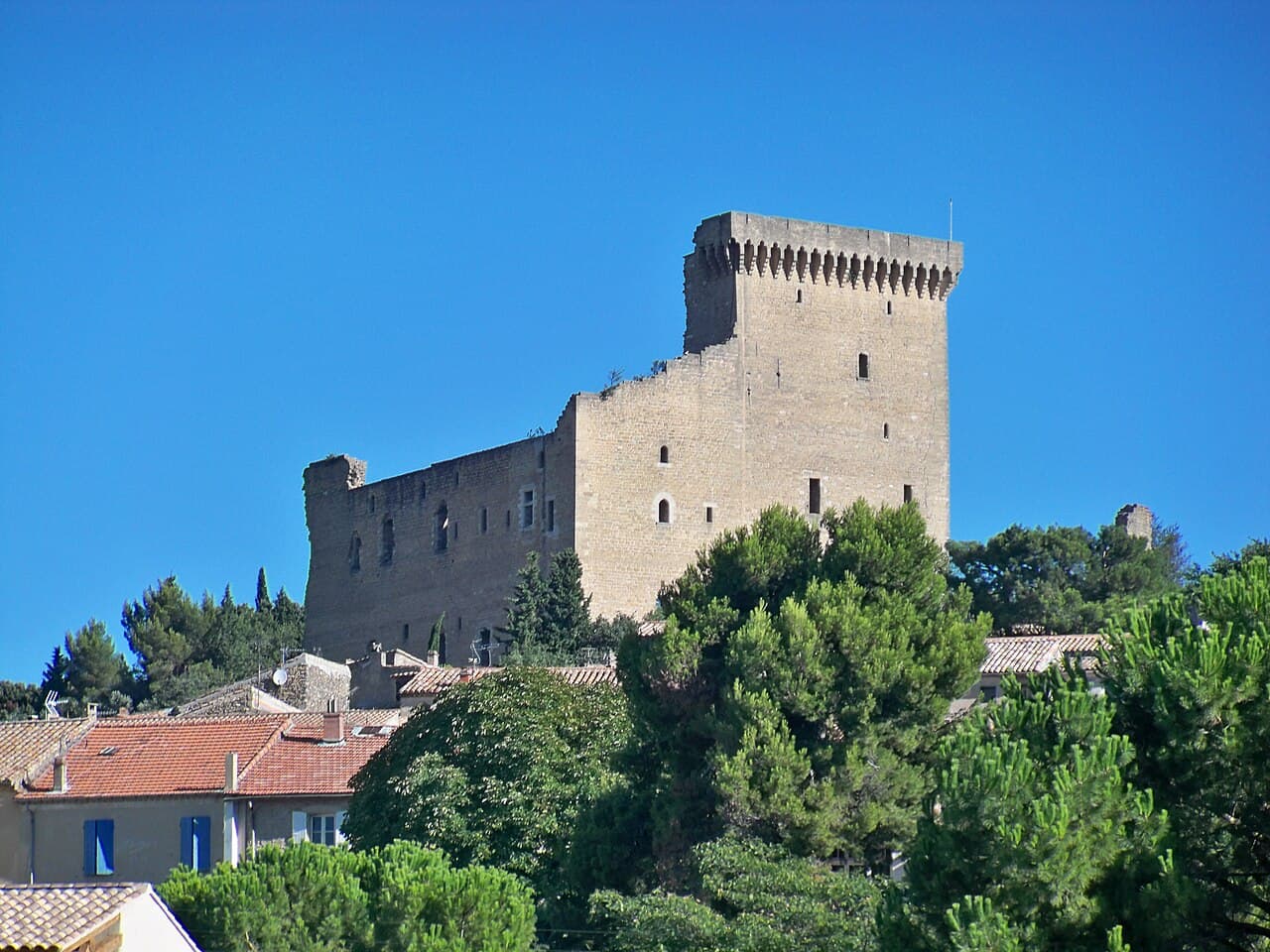
The Château de Châteauneuf-du-Pape stands as a significant medieval fortress ruin in the town of Châteauneuf-du-Pape, located in southeastern France. Its imposing remains overlook the renowned vineyards that produce some of the region's most famous wines. The castle's origins trace back to a Roman castrum, destroyed during the great invasions, with the earliest recorded mention of a fortified site in the area dating to a 913 charter referencing the castellum de Leri. The name "Châteauneuf" itself, meaning "new castle," first appeared in records from 1048, referring to a "Castro Novo" or new fortified village. This early settlement included a keep constructed in 1077, which was part of a defensive network controlling the Rhône River and serving as a toll point.
Medieval origins and strategic importance
Throughout the Middle Ages, the castle functioned primarily as a watchtower and toll gate, passing through the hands of various noble families allied with the house of Albaron. By 1146, only a tower remained intact, already earning the name "old tower" by 1283. The castle's strategic position near the Rhône made it a vital defensive site for controlling river traffic and protecting the surrounding lands.
The pontifical era and major construction
The castle's most significant phase began with Jacques d'Euze, the former bishop of Avignon, who was elected pope in 1316 and took the name John XXII. Under his authority, Châteauneuf-du-Pape came directly under papal control. In 1317, Pope John XXII commissioned the construction of a new château above the village, a project completed by 1333. This new castle was designed primarily for defense, featuring robust ramparts built starting in 1318, which enclosed the fortress and enhanced its military capabilities. The castle's location on elevated ground provided commanding views over the Rhône valley and the surrounding vineyards, reinforcing its role as a defensive stronghold.
Architectural features of the new château
The château included a keep, thick defensive walls, and several towers that allowed for surveillance and defense. The fortifications reflected the late medieval military architecture of the early 14th century, focusing on protection against siege warfare. The castle also contained residential quarters and storage areas, including the lower pontifical cellar, which remains one of the few preserved elements today. The entire complex was surrounded by a curtain wall with battlements and protected by a moat or ditch, typical of castles of this period.
Decline and later history
After the popes returned to Rome in the early 15th century, the castle lost its strategic importance and was gradually abandoned. The local bishops lacked the resources to maintain the structure, leading to its deterioration. The castle suffered further damage during the turbulent Wars of Religion in the 16th century, a period marked by conflict between Catholics and Protestants in France. Over the centuries, natural decay and human actions reduced the château to ruins.
Modern recognition and preservation
In 1892, the Château de Châteauneuf-du-Pape was officially classified as a historical monument, recognizing its cultural and architectural significance. Despite this status, the castle endured additional damage during World War II. Today, only fragments of the original structure survive, including a sungeon (a type of tower), the southern wall, and the lower pontifical cellar. These ruins remain a powerful symbol of the town's history and heritage.
Cultural significance and contemporary use
The castle is emblematic of Châteauneuf-du-Pape and its famous wine-producing region. It serves as a venue for local receptions and wine-related events, such as the Councils of the Echansonnerie des Papes, a bacchic brotherhood celebrating the wines of the area. The ruins attract visitors interested in medieval history, architecture, and viticulture, offering panoramic views of the vineyards and the Rhône valley.
Visitor experience and surrounding landscape
Visitors to the castle can explore the remains of the fortifications and enjoy the scenic landscape that has shaped the region's identity. The site provides insight into medieval defensive architecture and the papal influence on southern France. Its proximity to the vineyards makes it a unique destination combining cultural heritage and wine tourism.
Frequently asked questions (FAQ)
- What is the historical significance of Château de Châteauneuf-du-Pape?
- Château de Châteauneuf-du-Pape is historically significant as a medieval fortress built under Pope John XXII in the 14th century to defend the Rhône valley and control river traffic.
- When was the castle built and by whom?
- The current castle was constructed between 1317 and 1333 under the orders of Pope John XXII, replacing an earlier medieval fortification.
- Can visitors explore the castle ruins today?
- Yes, visitors can explore the ruins of Château de Châteauneuf-du-Pape, including the remaining tower, southern wall, and the lower pontifical cellar.
- What architectural style characterizes the castle?
- The castle features late medieval military architecture with thick ramparts, towers, and defensive walls typical of 14th-century fortifications.
- Is the castle accessible year-round?
- The castle is generally accessible year-round, but visiting hours may vary depending on local events and weather conditions.
Photo gallery

Photo by Véronique PAGNIER•Public domain
Information
Current owner
Municipality
Loading map...
Visitor reviews
No reviews yet. Been here? Write the first review and help other travelers!
Write the first reviewVisited this castle? Share your experience
Your review helps other travelers and adds first-hand knowledge to our encyclopedia.