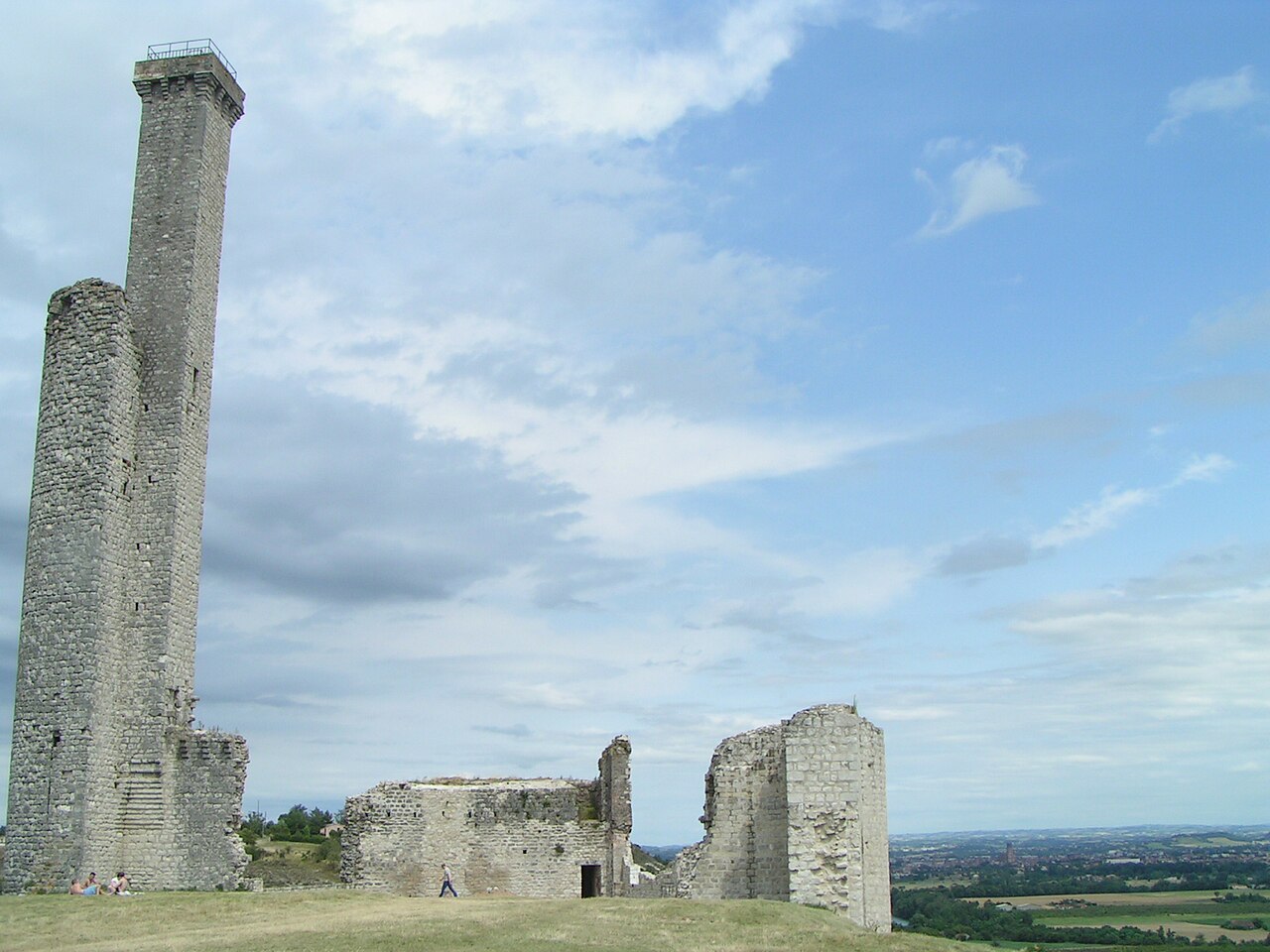
Château de Cantepau
Château de Cantepau in Albi, France, presents a compelling architectural narrative that spans from the 15th century to the 18th century. While the castle's current form was largely shaped in the mid-1700s, its foundations and early structures date back to the late medieval period. This brick-built castle showcases the evolution of noble residences in southern France, reflecting both defensive origins and later adaptations to more comfortable, stately living.
Historical background and ownership lineage
The origins of Château de Cantepau trace back to the Delecouls family, a prominent consular lineage in Albi. The family expanded their estates throughout the 17th and 18th centuries, with significant construction activity occurring around 1746. Jean-Pierre Delecouls, born in 1706, is credited with erecting much of the château's current structure, including the establishment of a chapel within one of its towers. This period marks a transition from medieval fortress-like functions to a residence emphasizing status and comfort.
In 1746, Jean-Pierre Delecouls not only enhanced the château but also expanded the family's holdings by acquiring the neighboring Lévizac estate. The château remained in the Delecouls de Cantepau family until 1878, when it passed to the Pago family, another notable local lineage. The 20th century saw a shift in ownership to a public housing company in 1969, which led to the subdivision of the surrounding lands and the creation of the modern Cantepau neighborhood.
Despite its historical significance, the château suffered from neglect and looting during the latter half of the 20th century. It was partially classified as a historic monument on July 17, 1978, signaling official recognition of its cultural value. In 1984, ownership transferred to the municipality of Albi amid commercial development efforts. However, many interior decorative elements, including Louis XVI style stuccos, marble fireplaces, and carved wood paneling, were lost due to extensive pillaging.
The château was purchased in 2006 by Didier Sirgue, who initiated restoration efforts in 2009. The goal was to preserve the building's architectural integrity and repurpose it as a reception venue, with plans for a brasserie and hotel on the grounds, aiming to revitalize this historic site.
Architectural features and construction details
Structural composition and materials
The château is a substantial brick structure characterized by a rectangular main building rising to three stories. The use of brick is typical for the region and period, providing both durability and aesthetic appeal. The main façade faces west and is flanked by two round towers at its corners, which are no taller than the central block. This feature reflects a blend of defensive medieval elements and 18th-century residential design.
Façade and decorative elements
The windows visible today mostly date from the 18th century, replacing earlier mullioned windows—some of which survive on the rear façades and within a dungeon area. These mullioned windows are significant as they represent the castle's medieval origins. A continuous molded brick cornice runs just below the roofline, encircling the entire building and adding a decorative horizontal emphasis to the silhouette.
Interior features and layout
Inside, several impressive brick fireplaces remain, reflecting the building's residential function. One door is adorned with two painted coats of arms, underscoring the noble heritage of the Delecouls family. The château once featured Louis XVI style stucco decorations above its doors, which have unfortunately been lost due to looting. The main staircase follows a rectangular plan, accessed through rounded arches known as arcs en plein cintre, a hallmark of Roman architectural influence.
Despite multiple remodeling phases, the château retains key original characteristics such as its brick construction, the flanking circular towers, and the decorative cornice below the roofline. These elements provide insight into the architectural identity of an 18th-century noble residence built upon medieval foundations.
Château de Cantepau in the context of Albi's heritage
Located in Albi, a city renowned for its rich medieval and Renaissance heritage, Château de Cantepau contributes to the tapestry of historical architecture in the region. While Albi is more famously associated with the Albi Cathedral and the Berbie Palace, the château offers a glimpse into the lives of the local nobility who shaped the city's social and economic fabric over centuries.
The castle's transition from a medieval stronghold to an 18th-century residence mirrors broader shifts in architectural trends and social structures in France. Its survival, despite periods of neglect and looting, highlights ongoing challenges in preserving regional heritage sites. Current restoration efforts aim to integrate the château into Albi's cultural landscape, promoting both historical appreciation and contemporary use.
Preservation status and future prospects
Today, Château de Cantepau is recognized as a partially preserved historic monument. The exterior remains largely intact, showcasing its distinctive brickwork and towers, while the interior has suffered losses of decorative elements. Restoration initiatives begun in the early 21st century focus on stabilizing the structure and adapting it for modern functions.
Plans to convert the château into a reception venue with hospitality services reflect a growing trend to repurpose historic buildings sustainably. This approach not only safeguards architectural heritage but also revitalizes the site economically and socially, ensuring that Château de Cantepau remains a visible and valued part of Albi's historical narrative.
Frequently asked questions (FAQ)
- How do I get to Château de Cantepau?
- Château de Cantepau is located in Albi, France, and can be easily reached by car or public transportation. If you are traveling by train, the nearest station is Albi Ville, from which you can take a taxi or a short bus ride to the castle. There are also parking facilities available for visitors driving their own vehicles.
- What is the historical significance of Château de Cantepau?
- Château de Cantepau dates back to the 13th century and is a remarkable example of medieval architecture in the region. It played a significant role in the defense of Albi during the Albigensian Crusade. Today, it stands as a testament to the rich history and cultural heritage of southwestern France.
- When was Château de Cantepau last renovated?
- Château de Cantepau underwent a major restoration in the late 20th century, which helped preserve its historical features while making it accessible for visitors. The renovations focused on maintaining the castle’s original architecture while improving visitor facilities. The ongoing maintenance ensures that the castle remains a beautiful site for guests to explore.
- Is it possible to access all areas of Château de Cantepau?
- While many areas of Château de Cantepau are accessible to visitors, some sections may be restricted due to preservation efforts or safety regulations. The main halls and gardens are open for exploration, allowing guests to appreciate the stunning architecture and scenic views. Visitors with mobility concerns are encouraged to inquire about accessibility options upon arrival.
- What are the opening hours for Château de Cantepau?
- Château de Cantepau is typically open to visitors from 10 AM to 6 PM, with extended hours during peak tourist seasons. It is advisable to check the official website or contact the castle directly for any seasonal changes or special events that may affect opening hours. Planning your visit in advance will help ensure a pleasant experience.
- Can I buy tickets online for Château de Cantepau?
- Yes, tickets for Château de Cantepau can be purchased online through the official website. Buying tickets in advance is recommended, especially during the peak tourist season, to avoid long queues and ensure your entry. Online purchasing also allows you to select specific time slots for your visit.
- What is the best time to visit Château de Cantepau?
- The best time to visit Château de Cantepau is during the spring and early autumn months when the weather is mild and the gardens are in full bloom. These seasons provide a picturesque backdrop for exploring the castle and its surroundings. Additionally, visiting during weekdays can help you avoid larger crowds.
- Are there any nearby attractions to see when visiting Château de Cantepau?
- Yes, there are several attractions near Château de Cantepau, including the Cathedral of Albi, a UNESCO World Heritage site, and the Toulouse-Lautrec Museum. The charming streets of Albi also offer a variety of shops and cafes to explore. Combining your visit to the castle with these nearby sites makes for a delightful day in Albi.
- What are the ticket prices for Château de Cantepau?
- Ticket prices for Château de Cantepau vary, with discounts available for students, seniors, and children. As of the latest information, general admission is around €10, while reduced tickets are approximately €5. Special family rates and group discounts may also be available, so check the castle's website for the most current pricing information.
Information
Loading map...
Visitor reviews
No reviews yet. Been here? Write the first review and help other travelers!
Write the first reviewVisited this castle? Share your experience
Your review helps other travelers and adds first-hand knowledge to our encyclopedia.