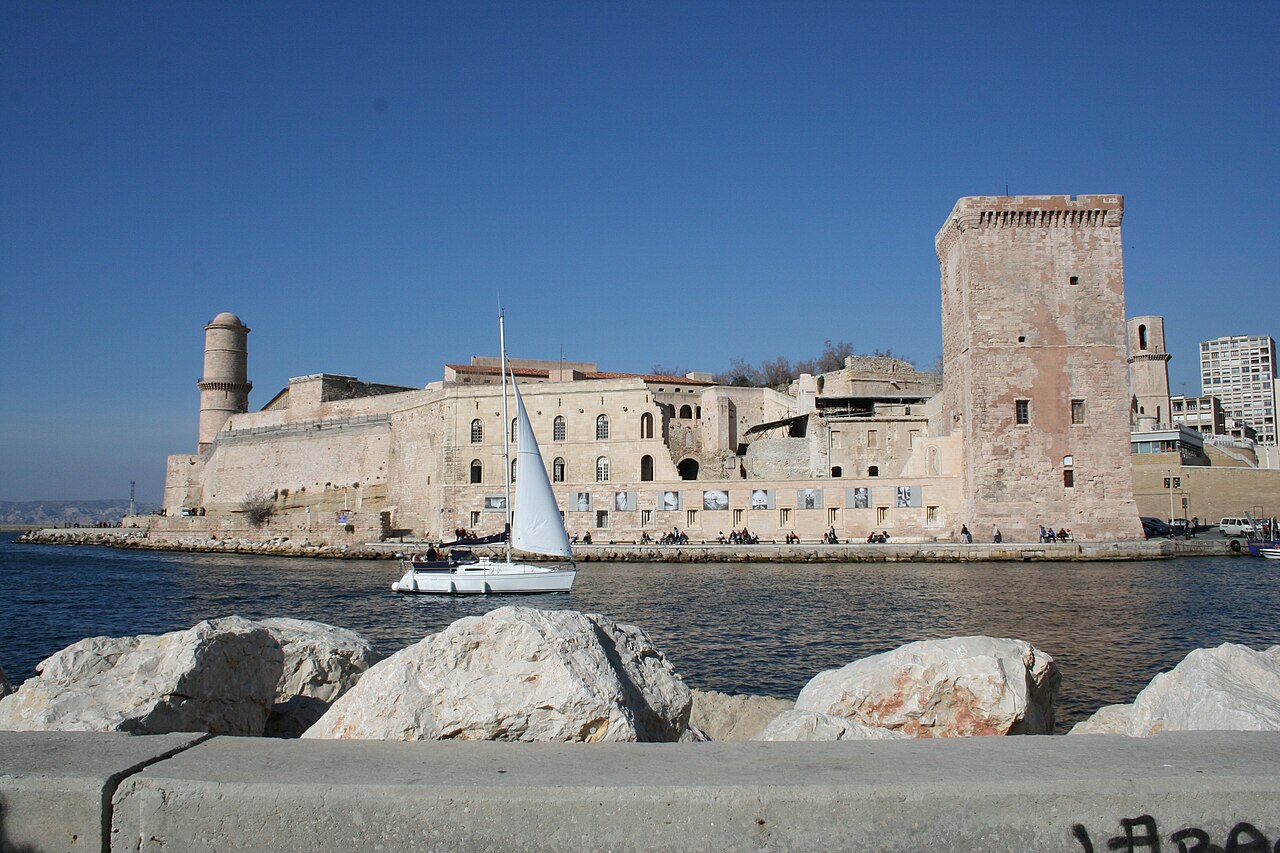
Château de Calas
The Château de Calas stands as a remarkable example of architectural evolution, located in the village of Calas within the commune of Cabriès in Hauts-de-France, France. Originally a modest agricultural building, the château's history reflects a transformation from a functional shepherd’s barn to an elegant hunting lodge with medieval stylistic influences. This transition illustrates the broader social and cultural shifts that occurred in rural France from the early agricultural economy toward leisure and aristocratic estate development.
Early origins and agricultural architecture
The château’s earliest phase is anchored in its use as a pastoral facility. The presence of a vaulted room on the ground floor, constructed with traditional stone arches, is a key architectural feature that evidences its original function. Such vaulted chambers were typical in rural buildings designed for storage and shelter, providing durability and protection for livestock or equipment. This vaulted space remains a significant archaeological element, offering insight into local construction methods and the agrarian lifestyle of the period.
Transformation into a hunting lodge in the 18th century
In the 18th century, the building underwent a significant transformation from its humble beginnings into a hunting lodge. This adaptation introduced medieval-style architectural elements, including crenellated walls and round corner towers, which enhanced its fortress-like appearance. These features were not primarily defensive but rather aesthetic, reflecting the romanticized medieval revival popular among the French nobility and gentry during this era. The slate roofs of the towers, originally pointed and tall, exemplify typical roofing styles of the period, although later replaced with tiles for maintenance and stylistic updates.
19th-century expansions and local patronage
The château's development continued into the 19th century under the stewardship of the Louis Balthazar Dauphin family and later his descendant, Louise Garavaque. This family played a significant role in local community development, evidenced by their patronage of the Église Notre-Dame-de-l’Assomption de Calas and the nearby school. Their influence suggests that the château was more than a private residence; it was part of a broader social and cultural landscape, contributing to the communal identity and infrastructure.
Architectural and social significance
The expansions during this time likely included modifications to living quarters and estate facilities, adapting the château to contemporary needs while preserving its medieval aesthetic. This balance between preservation and modernization reflects the 19th-century approach to heritage and aristocratic estate management in rural France.
20th-century renovations and current status
The Villeneuve-Esclapon family, current proprietors of the château, have maintained and renovated the property to accommodate modern uses without compromising its historical character. The château today functions as a venue for cultural and social events, continuing its legacy as a central site within the community. This ongoing use ensures the château’s preservation and relevance, bridging its historical past with contemporary cultural life.
Architectural features and preservation
The château’s medieval style is most evident in its crenellated walls and the round towers at its corners. These towers originally featured slate roofs with a distinctive pointed shape, later replaced by tiles, illustrating changes in architectural tastes and practical maintenance considerations over time. The fortress-like design, while evocative of medieval defensive structures, primarily serves an aesthetic purpose aligned with the romantic revival trends of the 18th and 19th centuries.
The preservation of the vaulted room on the ground floor offers a tangible link to the château’s agrarian origins. This vaulted ceiling, constructed of stone arches, is a rare survival of the building’s earliest phase and exemplifies traditional rural construction techniques.
Layout and structural elements
The château’s layout, with its corner towers and crenellated parapets, creates a compact, fortified appearance typical of hill castles adapted for residential and leisure purposes rather than military defense. The combination of these elements showcases the architectural layering that occurred as the building evolved from a simple barn to a noble estate.
Historical and cultural context
The Château de Calas embodies the historical trajectory of many rural French estates that transitioned from agricultural utility to aristocratic leisure properties. Its architectural evolution mirrors broader cultural trends, including the romanticization of medieval forms and the 19th-century emphasis on local patronage and community development. The château’s association with prominent local families highlights its role within the social fabric of the region.
Today, the château stands as a preserved heritage site that offers visitors a glimpse into the layered history of French rural architecture and aristocratic life. Its continued use for events ensures that it remains a vibrant part of the cultural landscape of Hauts-de-France.
Frequently asked questions (FAQ)
- What is the historical significance of Château de Calas?
- Château de Calas is a remarkable example of medieval architecture, showcasing the strategic importance of castles in France during the feudal era. Its history is intertwined with the local nobility and significant events that shaped the region, making it a fascinating site for history enthusiasts.
- When was Château de Calas built?
- Château de Calas was constructed in the 12th century, reflecting the architectural styles and defensive needs of that period. Over the centuries, it has undergone various renovations, preserving its historical essence while adapting to modern visitor needs.
- What are the opening hours for Château de Calas?
- Château de Calas is open to visitors from 10 AM to 6 PM, with extended hours during the summer months. It is advisable to check the official website for any seasonal changes or special events that may affect the visiting schedule.
- Can I access Château de Calas with a wheelchair?
- Yes, Château de Calas strives to be accessible to all visitors. There are pathways and facilities in place to assist those with mobility challenges, ensuring that everyone can enjoy the rich history and stunning views the castle offers.
- What is the best time to visit Château de Calas?
- The best time to visit Château de Calas is during the spring and early autumn months when the weather is mild and the surrounding landscapes are particularly beautiful. These seasons also tend to have fewer tourists, allowing for a more enjoyable and relaxed experience.
- How much do tickets cost for Château de Calas?
- Tickets for Château de Calas are priced at €8 for adults, while children under 12 can enter for free. Discounted rates are available for students and seniors, making it an affordable outing for families and groups.
- Are there any nearby attractions to visit along with Château de Calas?
- Yes, several attractions are located near Château de Calas, including picturesque villages and beautiful hiking trails. Visitors can also explore local museums and vineyards, providing a well-rounded experience of the region's culture and history.
Information
Loading map...
Visitor reviews
No reviews yet. Been here? Write the first review and help other travelers!
Write the first reviewVisited this castle? Share your experience
Your review helps other travelers and adds first-hand knowledge to our encyclopedia.