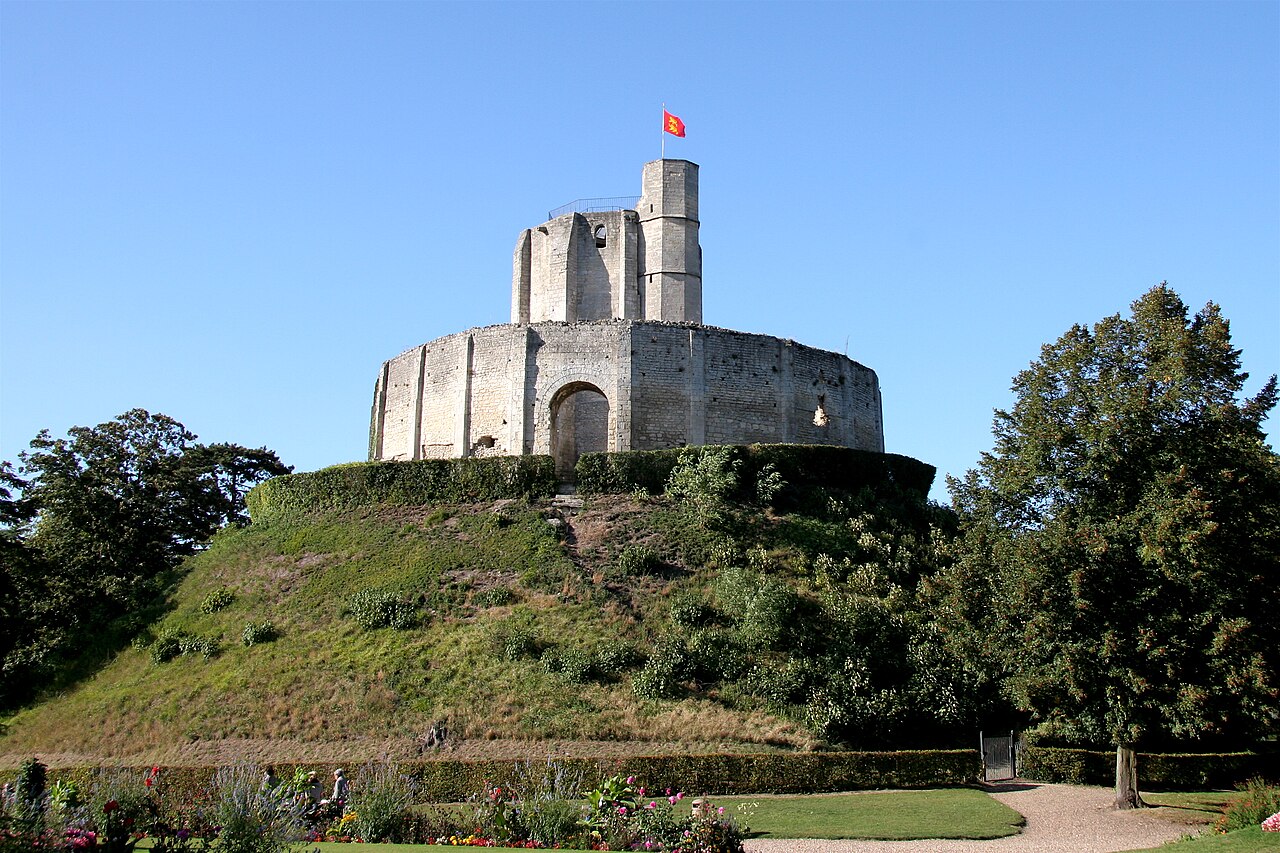
Château de Boury
The Château de Boury stands as a remarkable testament to the architectural and historical evolution of French noble estates. Located in the commune of Boury-en-Vexin within the Hauts-de-France region, this château encapsulates nearly a millennium of history, transitioning from a fortified medieval stronghold to an elegant residence reflecting early modern aristocratic tastes.
Medieval origins and strategic importance
The origins of Château de Boury date back to the 11th century, when the first recorded lord of Boury established a fortified castle on the site. Positioned strategically on flat terrain bordering the historic regions of French and Norman Vexin as well as Picardy, the castle served both defensive and administrative roles. This location was crucial for controlling the borderlands and overseeing the surrounding agricultural estates.
The original fortification featured typical medieval defensive elements, including a round tower which still survives today, and a dovecote that highlights the estate's agricultural functions. Constructed with robust stonework characteristic of the period, these structures were designed to withstand sieges and assert feudal authority.
Transition to an early modern pleasure residence
By the 17th century, the Château de Boury underwent a significant transformation that reflected broader shifts in aristocratic lifestyle and architectural fashion. The castle's military purpose diminished, giving way to its redevelopment as a refined noble residence focused on comfort and leisure. This change was guided by the influential architect Jules Hardouin-Mansart, renowned for his work on the Palace of Versailles and other grand French estates.
Hardouin-Mansart's redesign introduced elegant façades and roofing that balanced grandeur with domesticity. The château's external walls were adorned with intricate sculptural details crafted by the skilled sculptor Michel Poissant, whose work added artistic refinement and visual interest to the residence.
Gardens and landscape design
The château's grounds were enhanced with formal gardens designed in the style of André Le Nôtre, the celebrated landscape architect famous for his work at Versailles. These gardens emphasized symmetry, order, and perspective, featuring carefully arranged parterres, tree-lined alleys, and ornamental water features. The landscaping underscored the château's evolution from a fortress to a place of aesthetic enjoyment and noble leisure.
Architectural ensemble and estate layout
The Château de Boury today presents a complex architectural ensemble that reflects its layered history. At its core lies the courtyard of the original medieval castle, where the surviving round tower and dovecote stand as tangible links to the site's early defensive and agricultural functions.
The main château building, with its façades and roofing preserved under historic monument status, showcases the Baroque architectural style favored by Hardouin-Mansart. The sculptural ornamentation by Poissant enriches the exterior, contributing to the château's noble character.
Additional estate buildings include an attached chapel and former stables near the entrance, typical features of grand country houses that supported both religious practice and equestrian needs. The park contains a building housing an orangery, laundry, and a dovecote, reflecting the estate's self-sufficiency and leisure functions. A fountain-trough on the grounds further enhances the landscape's charm and utility.
Internal layout and circulation
The château's internal arrangement centers around a cour d’honneur, or main courtyard, flanked by the orangery on one side and service buildings known as communs on the other. A ground-floor gallery runs along the main building, connecting various rooms and featuring two lateral staircases that facilitate movement throughout the residence. This thoughtful design integrates practical circulation with the château's overall elegance.
Heritage status and preservation
Recognized for its historical and architectural significance, Château de Boury has been protected as a historic monument since 1931. The designation covers multiple buildings and landscape features, ensuring the preservation of both medieval and early modern elements. The château remains a valuable cultural asset, illustrating the evolution of French noble architecture and estate planning over centuries.
Visitors to Château de Boury can appreciate the harmonious blend of fortified medieval structures and refined Baroque residential design, set within gardens that echo the grandeur of France's most celebrated landscape traditions. The château's continuous ownership by the same family lineage since the 11th century adds a unique dimension to its historical narrative, making it a rare example of enduring noble heritage in the region.
Overall, Château de Boury offers a rich architectural and historical experience, showcasing the transformation of a strategic medieval fortress into a splendid aristocratic residence adorned with artistic and landscape masterpieces.
Frequently asked questions (FAQ)
- What is the historical significance of Château de Boury?
- Château de Boury is a remarkable example of French Renaissance architecture, reflecting the grandeur and style of its time. Built in the 16th century, it has witnessed significant historical events and served as a residence for notable figures in French history, making it an important cultural landmark.
- When was Château de Boury built?
- Château de Boury was constructed in the early 16th century, specifically around 1540. Its design and construction were influenced by the Renaissance movement, marking a shift in architectural styles in France during that era.
- Can I visit Château de Boury?
- Yes, Château de Boury is open to the public for visits. Guests can explore its beautiful gardens and historical rooms, gaining insights into its rich history and architectural features.
- What are the opening hours for Château de Boury?
- Château de Boury is typically open from 10 AM to 6 PM from April to October. During the winter months, the opening hours may vary, so it’s advisable to check the official website before planning your visit.
- Is it possible to buy tickets in advance for Château de Boury?
- Yes, visitors can purchase tickets in advance through the official Château de Boury website. This is recommended, especially during peak tourist seasons, to ensure entry and avoid long wait times.
- What is the best time to visit Château de Boury?
- The best time to visit Château de Boury is during the spring and early autumn months when the weather is pleasant, and the gardens are in full bloom. These seasons also tend to attract fewer tourists compared to the summer, allowing for a more enjoyable experience.
- Are there any nearby attractions to Château de Boury?
- Yes, several attractions are located near Château de Boury, including beautiful parks and historical sites. Visitors can also explore charming local villages and enjoy regional cuisine at nearby restaurants.
- Is Château de Boury accessible for visitors with disabilities?
- Château de Boury strives to be accessible to all visitors, with ramps and designated pathways available. However, certain areas of the castle may have limited accessibility due to historical preservation, so it’s best to check in advance for specific accommodations.
Information
Website
Visit websiteSources & official resources
Verify the information above using these authoritative references.
Loading map...
Visitor reviews
No reviews yet. Been here? Write the first review and help other travelers!
Write the first reviewVisited this castle? Share your experience
Your review helps other travelers and adds first-hand knowledge to our encyclopedia.