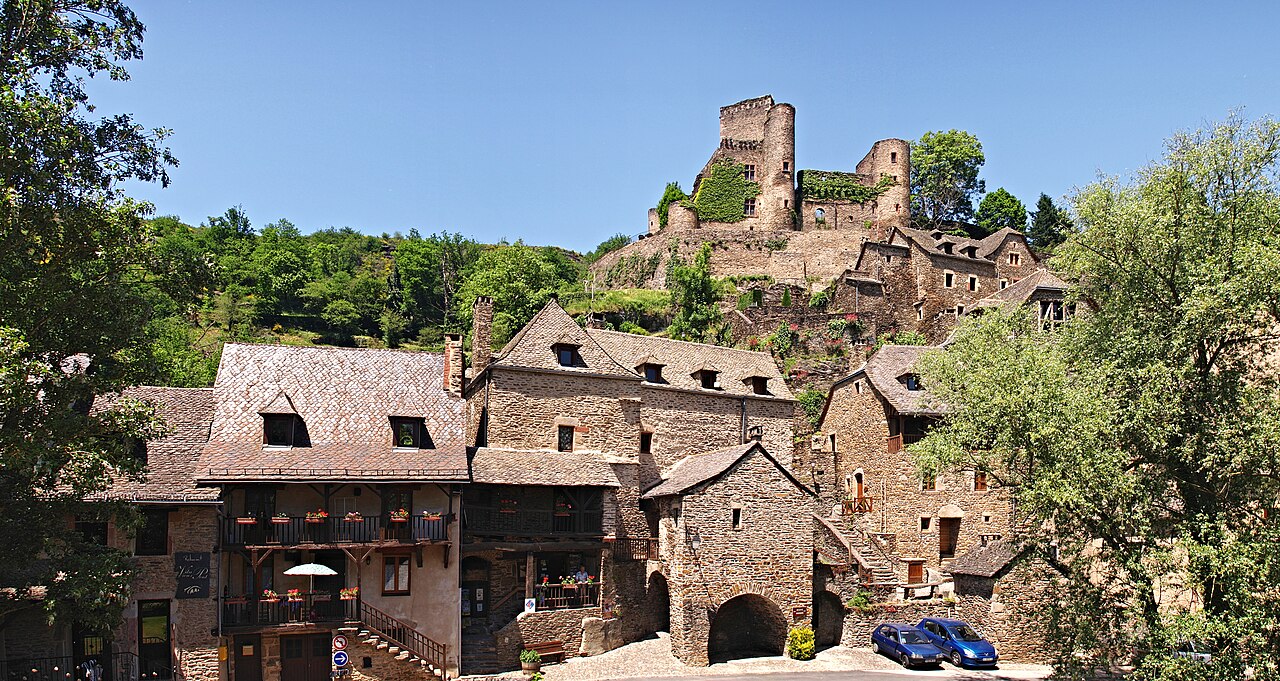
Château de Bournazel
Château de Bournazel stands as a notable example of Renaissance architecture in the southern region of France. Constructed in the mid-16th century by Jean de Buisson, this château replaced an earlier medieval fortress with a residence that embraced the elegant and symmetrical principles of the Renaissance style. Its design reflects the transition from fortified castles to more comfortable and decorative noble homes, emphasizing aesthetic appeal alongside defensive features.
Architectural design and features
The château's layout showcases the harmonious proportions and classical motifs characteristic of the French Renaissance. The building is organized around a central courtyard, enclosed by wings that exhibit finely detailed stonework. The façades are adorned with pilasters, cornices, and sculpted reliefs that demonstrate the influence of Italian Renaissance ideals adapted to French tastes.
One of the château's most striking elements is its ornate entrance gate, which combines both decorative artistry and symbolic heraldry. The use of large windows and elegant chimneys further highlights the shift towards comfort and light within noble residences of this period.
Gardens and landscape
The château is surrounded by gardens that have been recognized for their historical and aesthetic value. These gardens are included in the List of Remarkable Gardens of France, a designation that highlights their careful design and preservation. The landscaping complements the château's architecture, featuring geometric parterres, tree-lined avenues, and ornamental water features that reflect Renaissance ideals of order and beauty.
Historical context and ownership
Jean de Buisson, a nobleman of the region, commissioned the château to replace the older medieval structure that once stood on the site. The construction during the 16th century coincided with a period in France when many aristocrats were transforming their ancestral fortresses into comfortable and stylish residences, reflecting the cultural shift brought by the Renaissance.
Over the centuries, the château has remained a symbol of regional heritage and has undergone various restorations to maintain its structural and decorative integrity. Its preservation allows visitors to appreciate the architectural advancements and lifestyle changes of the French nobility during this era.
Preservation and public access
Today, Château de Bournazel is well preserved and accessible to the public. The château and its gardens attract visitors interested in Renaissance art, architecture, and history. Efforts to maintain the site ensure that both the building and its surrounding landscape retain their historical authenticity and continue to serve as a cultural landmark.
Visitors can explore the château's interiors, which include period rooms furnished to reflect the lifestyle of the 16th-century nobility. The gardens provide a tranquil setting for walks and offer insight into Renaissance garden design principles.
Frequently asked questions (FAQ)
- What is the best time to visit Château de Bournazel?
- The best time to visit Château de Bournazel is during the spring and summer months when the gardens are in full bloom and the weather is pleasant for exploring the grounds.
- Can I tour the interior of Château de Bournazel?
- Yes, visitors can tour the château's interiors, which feature period furnishings and decorations that showcase Renaissance noble life.
- Are the gardens at Château de Bournazel open to the public?
- The gardens are open to the public and are recognized as part of the List of Remarkable Gardens of France, offering beautifully maintained landscapes for visitors to enjoy.
- Is Château de Bournazel accessible for visitors with mobility issues?
- While efforts are made to accommodate visitors, some areas of the château and gardens may have limited accessibility due to historic structures and terrain.
- How do I get to Château de Bournazel?
- Château de Bournazel is located in the town of Bournazel in the Occitanie region of southern France. It can be reached by car or local transport from nearby cities.
Information
Current owner
Private owner
Loading map...
Visitor reviews
No reviews yet. Been here? Write the first review and help other travelers!
Write the first reviewVisited this castle? Share your experience
Your review helps other travelers and adds first-hand knowledge to our encyclopedia.