Château de Bilstein
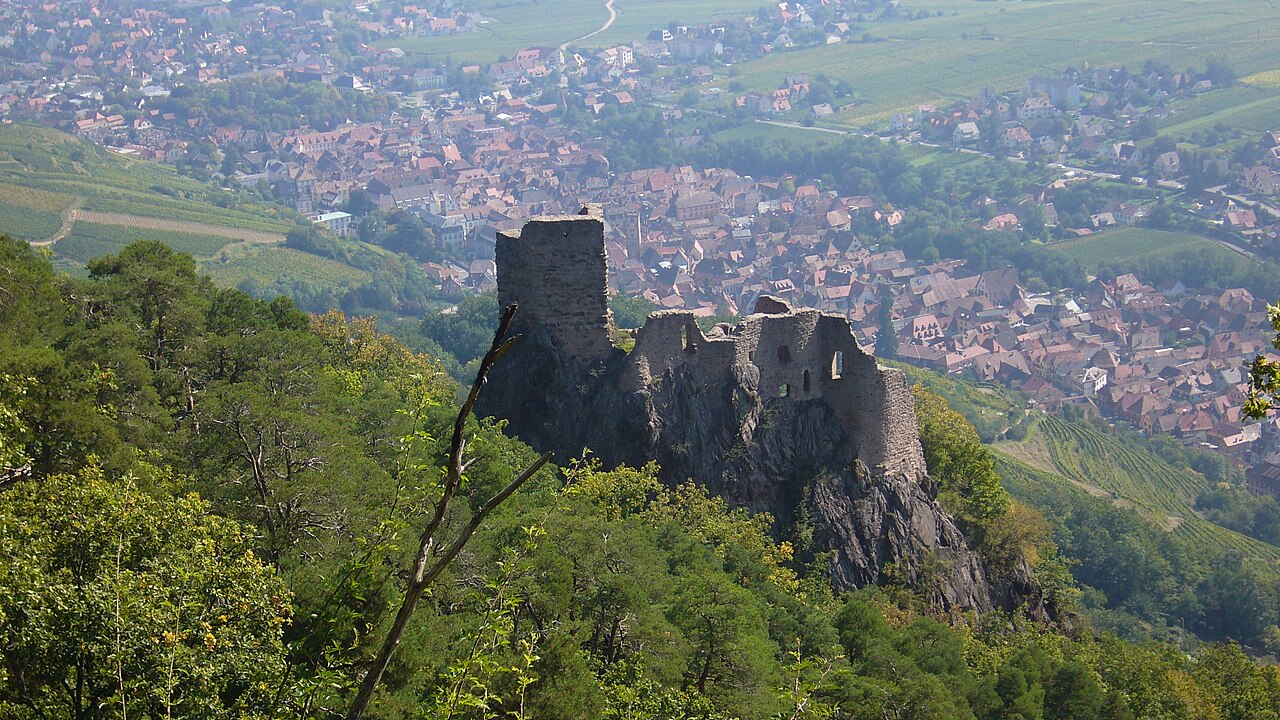
The Château de Bilstein is a high medieval castle ruin located near the town of Riquewihr in the Alsace region of France. This fortress dates back to the 12th century, representing the architectural and feudal developments of the period. The castle was strategically positioned to oversee the surrounding valley and trade routes, serving as a defensive outpost and symbol of feudal authority.
Historical background and construction phases
The initial construction of Château de Bilstein began in the 12th century, during the high medieval period, a time marked by the proliferation of stone castles across Europe. This era saw the transition from wooden fortifications to more durable stone structures, reflecting advancements in military architecture and the growing importance of territorial control.
In the 14th century, the castle underwent significant modifications and expansions. These additions likely included strengthening of the defensive walls, enlargement of the living quarters, and the possible construction of towers or gatehouses to improve the castle's fortifications. The architectural style during this phase would have incorporated elements typical of medieval military design, such as thick curtain walls, narrow arrow slits, and battlements.
Destruction and current state of the ruins
Château de Bilstein faced destruction in 1636, during the turbulent period of the Thirty Years' War, which ravaged much of central Europe. The castle was likely besieged and deliberately destroyed to prevent its use by opposing forces. Today, it remains a ruin, with remnants of its walls and foundations visible to visitors.
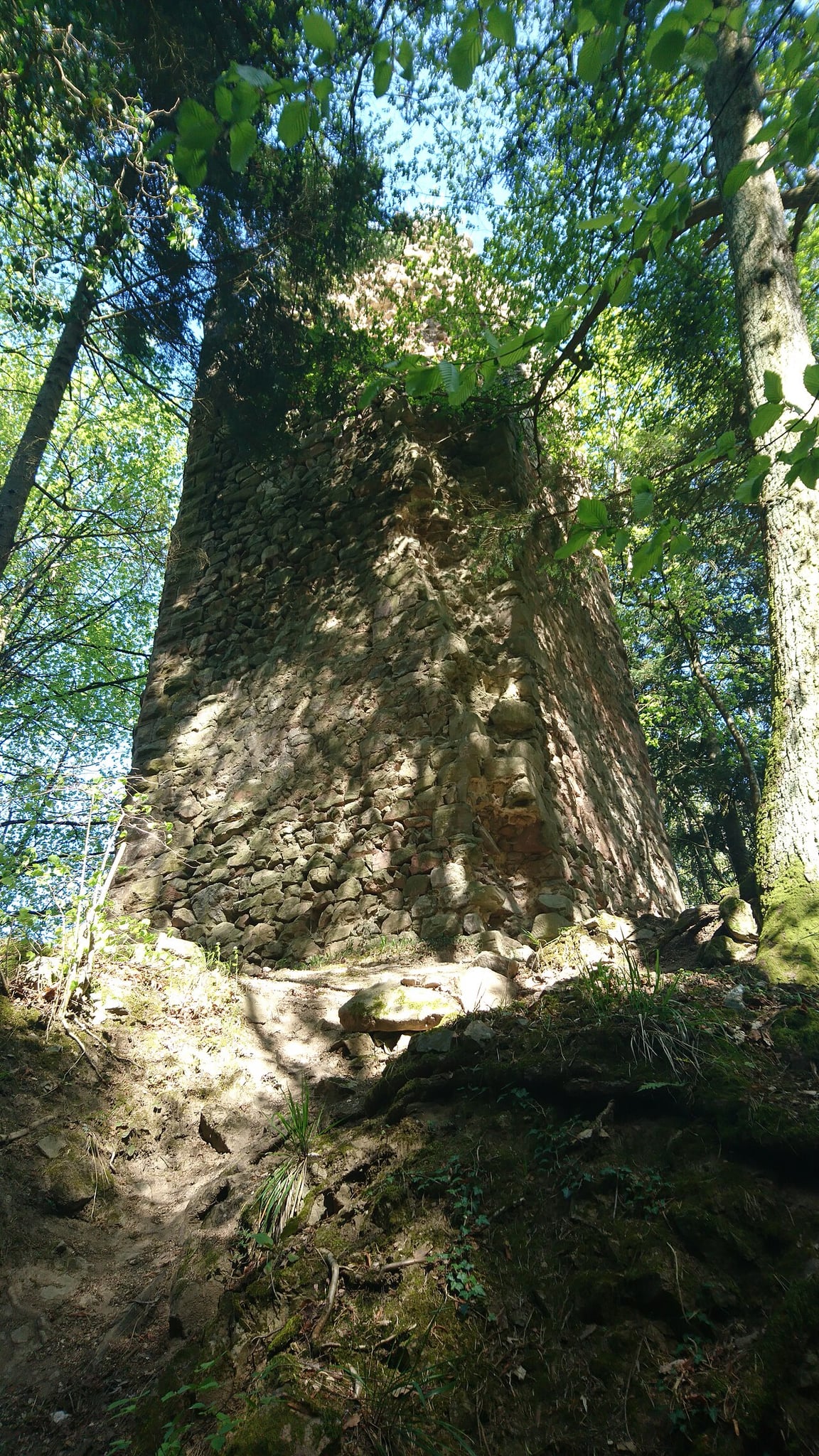
The ruins offer a tangible connection to the medieval past and provide insight into the castle's original layout and defensive features. Despite its ruined condition, the site retains enough structural elements to convey its historical significance and architectural character.
Location and hiking significance
The castle ruins of Bilstein are situated near another notable ruin, the Château de Reichenstein. Both sites are popular destinations for hikers and history enthusiasts exploring the scenic trails of the region. The ruins lie just off the well-known GR 5 hiking route, which traverses the Vosges Mountains and offers panoramic views of the Alsace countryside.
Visitors to the site can enjoy a blend of natural beauty and historical exploration, making the area a favored spot for outdoor activities and cultural tourism. The proximity of the two castle ruins allows for combined visits, enriching the experience with varied insights into medieval fortifications.
Architectural features and medieval defensive design
While much of the Château de Bilstein is in ruins, surviving structures indicate a typical medieval castle layout. The castle likely featured a keep or donjon as the central stronghold, surrounded by curtain walls with defensive towers at key points. The walls would have been constructed from local stone, providing both strength and camouflage within the natural landscape.
Defensive elements such as battlements and arrow slits would have been integral to the castle's design, allowing defenders to repel attackers while remaining protected. The castle's elevated position on a hill or rocky outcrop enhanced its defensive capabilities, offering wide visibility and control over the surrounding area.
Cultural and heritage importance
Today, the Château de Bilstein stands as a testament to the region's medieval heritage and feudal history. It attracts visitors interested in the architectural evolution of castles and the historical conflicts that shaped the Alsace region. The ruins contribute to the cultural landscape, offering educational opportunities and promoting preservation awareness.
Efforts to maintain the site focus on stabilizing the remaining structures and providing safe access for tourists. Interpretive signage and guided tours may be available to enhance visitor understanding of the castle's historical context and architectural features.
Frequently asked questions (FAQ)
- How do I get to Château de Bilstein from Riquewihr?
- The castle ruins are accessible via hiking trails starting from Riquewihr. The site lies just off the GR 5 trail, which is well-marked and popular among hikers exploring the Vosges Mountains.
- What is the best time of year to visit Château de Bilstein?
- The best time to visit is during late spring to early autumn when the weather is favorable for hiking and the surrounding landscape is vibrant. Winter visits are possible but may be challenging due to snow and slippery paths.
- Is Château de Bilstein suitable for family visits?
- Yes, the castle ruins are suitable for families who enjoy outdoor activities and history. However, visitors should be cautious as the terrain can be uneven and some areas may not be safe for young children without supervision.
- Can I visit Château de Bilstein year-round?
- The site is generally open year-round as it is an outdoor ruin accessible via public hiking trails. Visitors should check local conditions and weather forecasts before planning their visit.
- Are there guided tours available at Château de Bilstein?
- Guided tours may be offered seasonally or by local tourist offices. It is recommended to check with Riquewihr's visitor center for current information on tours and educational programs.
Information
Loading map...
Visitor reviews
No reviews yet. Been here? Write the first review and help other travelers!
Write the first reviewVisited this castle? Share your experience
Your review helps other travelers and adds first-hand knowledge to our encyclopedia.