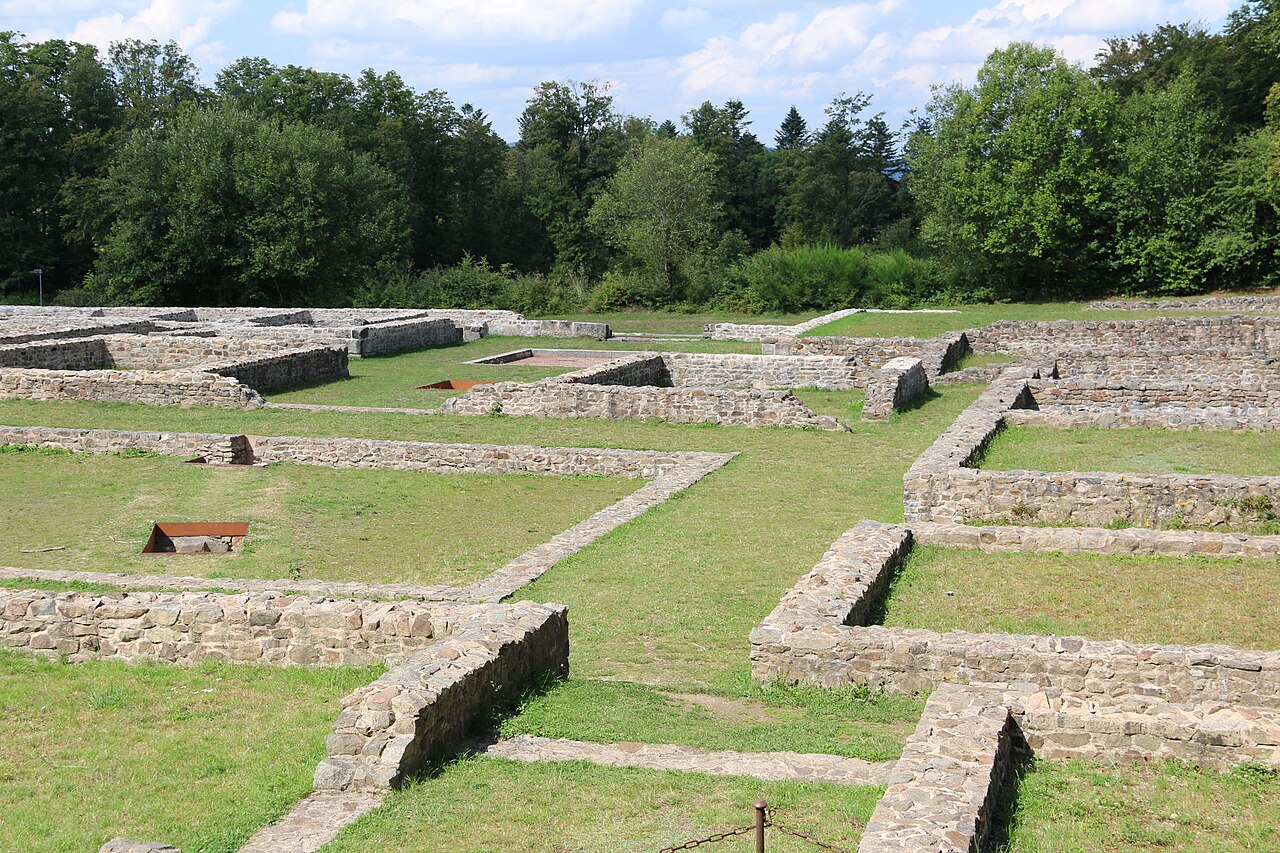
Château de Besne
The Château de Besne is a notable example of a 15th-century hill castle located in the commune of Saint-Péreuse, within the Hauts-de-France region of northern France. This castle stands on a site with a rich history of fortification, reflecting the turbulent political and military conflicts of late medieval France. Its strategic position and architectural features reveal much about the defensive needs and noble lifestyle of the period.
Medieval origins and historical context
The origins of the Château de Besne trace back to a feudal fortress that existed just west of the current château's location, near the village church. This earlier castle was likely destroyed during the fierce confrontations between Charles the Bold, Duke of Burgundy, and King Louis XI of France around 1474-1475. These battles were part of the broader power struggles that shaped the late 15th century in France. The destruction of the original fortress necessitated the construction of a new stronghold on the same site.
The present château was built in the late 15th century, incorporating elements from earlier periods, notably the cellars which are believed to date back to the 13th century. This indicates that the site had been fortified or inhabited for at least two centuries prior to the current structure's erection. The name "Besne" appears in historical records from this century, associated with Guillaume de Grandrye, a squire who acquired the land of Saint-Péreuse and commissioned the new château.
Architectural layout and defensive features
The château's layout consists of two main residential wings arranged at right angles, forming an L-shaped plan characteristic of fortified noble residences of the period. The northern wing is the oldest section and includes a round tower on its eastern side. This tower exemplifies medieval military architecture with its thick walls, narrow vertical arrow slits for archers, and openings designed for cannon fire, reflecting the transition in defensive technology during the late Middle Ages.
Inside the northern wing, a vaulted hall with a barrel-shaped ceiling serves as a central space, while the ground floor contains two vaulted rooms featuring French-style ceilings and large 15th-century fireplaces. Above the former door opening onto the inner courtyard, a machicolation projects outward, a defensive element used to drop objects on attackers below. An eastern extension added a staircase linking the upper floors, enhancing internal circulation.
The second wing, built in the late 15th century, is attached at a right angle to the northern wing and includes two towers equipped with arrow slits. This wing contains a ground-floor salon decorated in the Restoration style, indicating later interior modifications. A vaulted corridor connects this wing to the northern section, creating a unified complex. The façades facing the courtyard feature stone mullioned windows topped with pointed arches, lending a distinct Gothic character to the château's appearance. The attic is illuminated by dormer windows projecting from the steeply pitched roof.
Medieval cellars and construction techniques
Beneath the château lie two vaulted cellars that are believed to originate from the 13th century, making them some of the oldest surviving elements of the site. These cellars are supported by central pillars that uphold ribbed vaults, a sophisticated medieval construction technique that distributes structural weight efficiently. These features highlight the continuity of occupation and the evolution of architectural methods at the site over several centuries.
Ancillary buildings and estate features
The château complex includes a variety of ancillary structures that contribute to understanding its function as a noble residence designed for both defense and domestic life. These outbuildings, which are protected as historic monuments, include stables, a dairy, a keeper’s house, a kennel, and a dovecote. The surrounding walls feature a turret, a well, a gate, and an iron grille, all elements that reinforce the estate's fortified character.
The estate's garden and its enclosing walls are integral to the château's historic ambiance, reflecting the landscaping and boundary practices of noble estates in the late medieval and early modern periods. These features, along with the main buildings, provide a comprehensive view of a fortified residence that balanced military readiness with the needs of aristocratic living.
Ownership history and preservation
The Château de Besne has passed through the hands of several noble families over the centuries. After its construction by Guillaume de Grandrye, the estate was inherited by the Chandon family, including Jean de Chandon, an ambassador and counselor of state. Later, the Le Peletier family owned the château. During the upheavals of the French Revolution, the château was sold in 1794 to Pierre-François Tassin, whose descendants maintained ownership well into the 21st century, preserving a continuous private stewardship.
Recognizing its cultural and architectural significance, key parts of the château—including its façades, roofs, and vaulted cellars—were officially listed as historic monuments in 1975. Further protections were extended in 2002 to encompass the outbuildings, surrounding walls, and garden features, ensuring the preservation of the estate's historic fabric for future generations.
Frequently asked questions (FAQ)
- What is the historical significance of Château de Besne?
- Château de Besne is a remarkable example of French Renaissance architecture, reflecting the rich history of the region. Built in the 16th century, it served as a noble residence and has been a witness to many historical events, making it a vital part of local heritage.
- When was Château de Besne constructed?
- The construction of Château de Besne began in the early 1500s and was completed in the latter part of the 16th century. This time period marked a significant architectural evolution in France, transitioning from medieval fortresses to more refined and artistic designs.
- Can I visit Château de Besne?
- Yes, visitors are welcome to explore Château de Besne. Guided tours are available, providing an in-depth look at its history and architectural features, making it an excellent destination for history enthusiasts and tourists alike.
- What are the opening hours for Château de Besne?
- Château de Besne is typically open to the public from 10 AM to 5 PM, Tuesday through Sunday. It's advisable to check their official website or contact them directly for any seasonal changes or special events that may affect these hours.
- Is it possible to access Château de Besne for visitors with disabilities?
- Yes, Château de Besne is committed to making its facilities accessible for all visitors. There are designated pathways and ramps to help those with mobility challenges navigate the grounds and enjoy the beautiful surroundings.
- What is the best time to visit Château de Besne?
- The best time to visit Château de Besne is during the spring and early fall when the weather is mild and the gardens are in full bloom. These seasons also see fewer crowds, allowing for a more enjoyable experience.
- Are there any nearby attractions to visit along with Château de Besne?
- Yes, there are several attractions nearby, including beautiful parks and historical sites that showcase the rich culture of the region. Visitors can also explore local markets and quaint villages that offer a taste of French life.
- How much do tickets for Château de Besne cost?
- Ticket prices for Château de Besne are generally affordable, with discounts available for students and seniors. It’s best to check the official website for the most current pricing and any special offers that may be available.
Information
Website
Visit websiteSources & official resources
Verify the information above using these authoritative references.
Loading map...
Visitor reviews
No reviews yet. Been here? Write the first review and help other travelers!
Write the first reviewVisited this castle? Share your experience
Your review helps other travelers and adds first-hand knowledge to our encyclopedia.