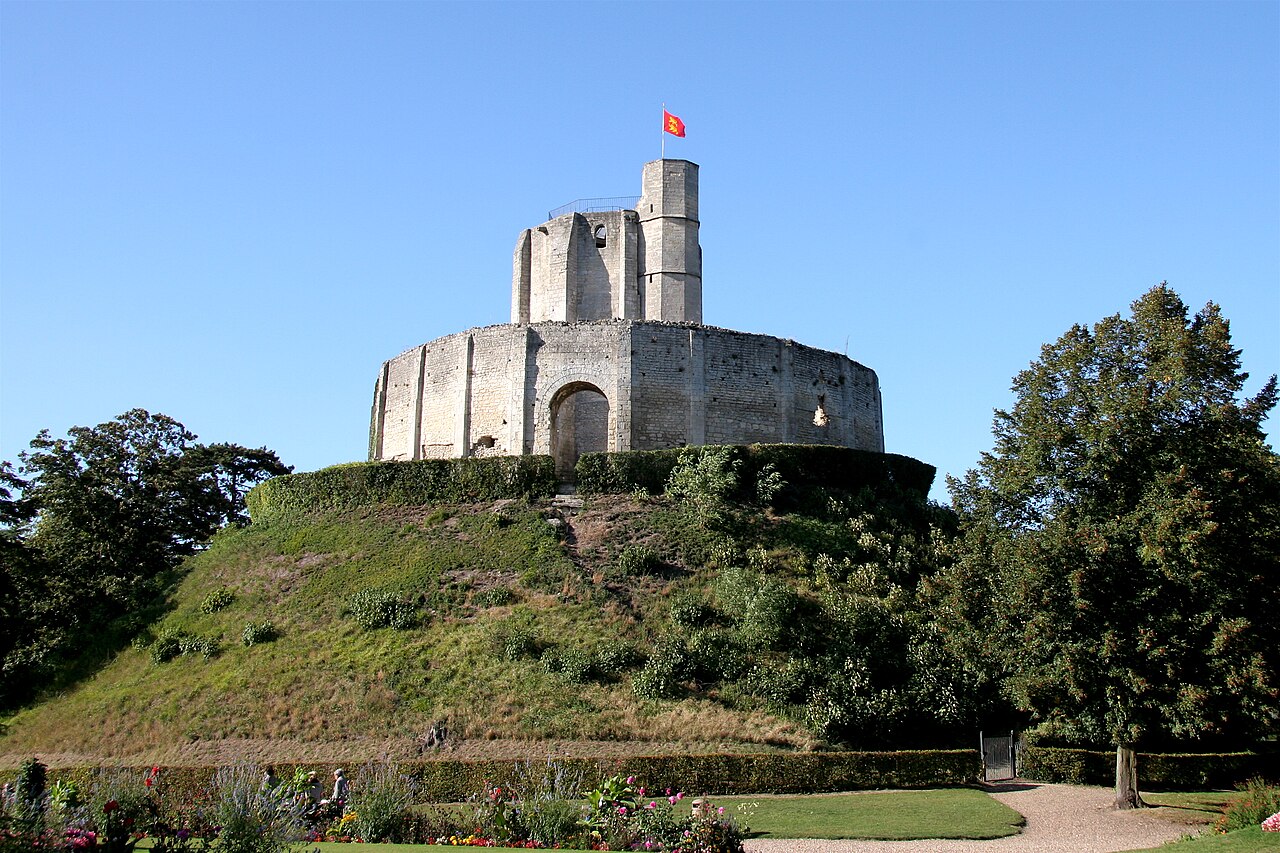
Château de Bertichères
The Château de Bertichères is a distinguished Renaissance estate located in Chaumont-en-Vexin, within the Hauts-de-France region of northern France. This hill castle was primarily constructed in the 16th century, embodying the architectural and cultural characteristics of the Renaissance period. The château’s historical significance is underscored by its association with prominent French noble families and its enduring religious heritage.
Historical significance and noble lineage
The château was originally established by French nobility during the Renaissance, reflecting the era’s emphasis on symmetry, classical motifs, and refined stonework. Throughout its history, the estate changed hands among several notable aristocratic families. It was initially linked to the counts of Chaumont, a powerful local lineage, before passing to the dukes of Longueville and later the princes of Conti. These transitions highlight the château’s role as a significant noble residence.
In the 17th century, the château gained further prominence as the residence of Monsieur, the brother of King Louis XIV. This connection to the royal family elevated the estate’s status within the French aristocracy and likely influenced subsequent architectural and decorative enhancements during this period.
Architectural features and estate layout
The main residence of the château exemplifies 16th-century Renaissance architecture, characterized by balanced proportions, ornamental stonework, and large windows that allowed greater light penetration compared to medieval fortresses. Though detailed floor plans are scarce, the château’s design aligns with contemporary trends favoring comfort and aesthetic appeal over purely defensive considerations.
Farm buildings and ancillary structures
Surrounding the main château are several well-preserved farm buildings that contribute to the estate’s layered historical narrative. A notable barn dating from the 16th century is constructed from rubble stone (moellons), with a roof supported by traditional rafters and trusses. This structure exemplifies rural construction techniques of the Renaissance era, emphasizing functionality combined with durable materials.
Adjacent to the barn stands a dovecote from the same century, also built with rubble stone. This dovecote served as a birdhouse for pigeons or doves, which were valuable for food and communication purposes on noble estates. Its preservation and individual protection as a historic monument since 1999 underscore its architectural and cultural importance.
Additional agricultural buildings from later periods illustrate the estate’s evolution. A 17th-century stable reflects the early modern continuation of farming activities, while two 19th-century farm structures, including one near an entrance pavilion designed in the Louis XIII style, demonstrate architectural developments extending into the post-Renaissance era.
The roman catholic chapel of saint eutrope
One of the most significant features of the Château de Bertichères estate is the Romanesque chapel of Saint Eutrope, dating back to the 12th century. This chapel predates the château itself and is a rare surviving example of early medieval religious architecture in the region. While specific architectural details are limited, Romanesque chapels typically feature rounded arches, thick walls, and small windows, emphasizing solidity and spiritual solemnity.
The chapel continues to hold religious and cultural significance, hosting an annual pilgrimage on April 30, which attracts visitors and worshippers, thereby maintaining its role as a spiritual focal point within the historic estate landscape.
Preservation and cultural heritage status
Recognizing its historical and architectural value, the Château de Bertichères and its associated buildings received official protection as historic monuments in 1999. The château has undergone various restoration efforts aimed at preserving its Renaissance character while adapting the estate for contemporary use.
The individual protection of the 16th-century barn and dovecote further highlights the importance of conserving rural architectural heritage alongside grand noble residences. These efforts ensure that the château remains a vital link to France’s Renaissance past and noble traditions.
Architectural and cultural context in hauts-de-france
The Château de Bertichères exemplifies the region’s rich history of noble estates and religious sites. Located in Hauts-de-France, an area known for its blend of medieval and Renaissance architecture, the château contributes to the cultural tapestry that attracts historians and tourists alike. Its combination of a Renaissance main residence with a Romanesque chapel and agricultural buildings spanning several centuries offers a comprehensive glimpse into the social and architectural evolution of French noble estates.
Visitor experience and significance
Visitors to the Château de Bertichères can appreciate the juxtaposition of Renaissance elegance and medieval religious heritage within a rural setting. The estate’s well-preserved structures provide insight into the lifestyles of French nobility and their agricultural practices. The chapel’s ongoing religious function adds a living dimension to the site’s historical narrative.
While the château itself is a testament to Renaissance architectural innovation, the surrounding farm buildings and chapel enrich the visitor’s understanding of the estate’s multifaceted history, making it a compelling destination for those interested in French history, architecture, and culture.
Frequently asked questions (FAQ)
- How do I get to Château de Bertichères?
- Château de Bertichères is located in Chaumont-en-Vexin, France, easily accessible by car or public transport. If you are driving, the castle is situated just off the A15 motorway. For public transport, take a train to Chaumont-en-Vexin station, followed by a short taxi ride.
- What is the historical significance of Château de Bertichères?
- Château de Bertichères dates back to the 19th century and is known for its stunning architecture and beautiful surrounding gardens. The castle has a rich history, having served as a residence for notable French aristocrats. Its intricate design reflects the grandeur of its era, making it a significant landmark in the region.
- When was Château de Bertichères built?
- Construction of Château de Bertichères began in the early 19th century, specifically around 1815. It was designed by architect Jean-Baptiste Pierre Legrand, who infused the structure with neoclassical elements. The castle has been preserved over the years, showcasing its historical architectural style.
- Can I visit Château de Bertichères year-round?
- Yes, Château de Bertichères is open to visitors throughout the year, although specific opening hours may vary seasonally. It is advisable to check the official website or contact the castle's administration for the latest information on visiting times. Guided tours are often available to enhance your experience.
- Why is Château de Bertichères a popular tourist attraction?
- Château de Bertichères attracts visitors due to its stunning architecture, rich history, and picturesque gardens. The castle also offers a glimpse into the opulent lifestyle of French nobility, making it an educational experience for history enthusiasts. Additionally, the serene environment surrounding the castle provides a perfect backdrop for leisurely walks and photography.
- Is it possible to host events at Château de Bertichères?
- Yes, Château de Bertichères offers facilities for hosting events such as weddings, corporate meetings, and private gatherings. The castle's elegant setting and professional services make it an ideal location for memorable occasions. Interested parties should contact the castle's event coordination team for more details and availability.
- What are the ticket prices for visiting Château de Bertichères?
- Ticket prices for Château de Bertichères vary depending on the type of tour and age group. Generally, adult tickets are priced around €10, while discounts are available for children, students, and seniors. Special rates may apply for group bookings or special events.
- What are the opening hours for Château de Bertichères?
- Château de Bertichères typically opens to the public from 10 AM to 6 PM, with extended hours during peak tourist seasons. However, it is recommended to verify the current hours before your visit, as they can change for special events or holidays. Early arrival is advisable to enjoy the full experience.
- Are there any nearby attractions to visit after exploring Château de Bertichères?
- Yes, there are several attractions near Château de Bertichères worth exploring, including the charming village of Chaumont-en-Vexin and the beautiful Parc du Vexin Français. Visitors can also enjoy hiking trails and other outdoor activities in the surrounding countryside. Local cafes and shops provide opportunities to experience the regional culture and cuisine.
Information
Website
Visit websiteSources & official resources
Verify the information above using these authoritative references.
Loading map...
Visitor reviews
No reviews yet. Been here? Write the first review and help other travelers!
Write the first reviewVisited this castle? Share your experience
Your review helps other travelers and adds first-hand knowledge to our encyclopedia.