Château de Bellevue
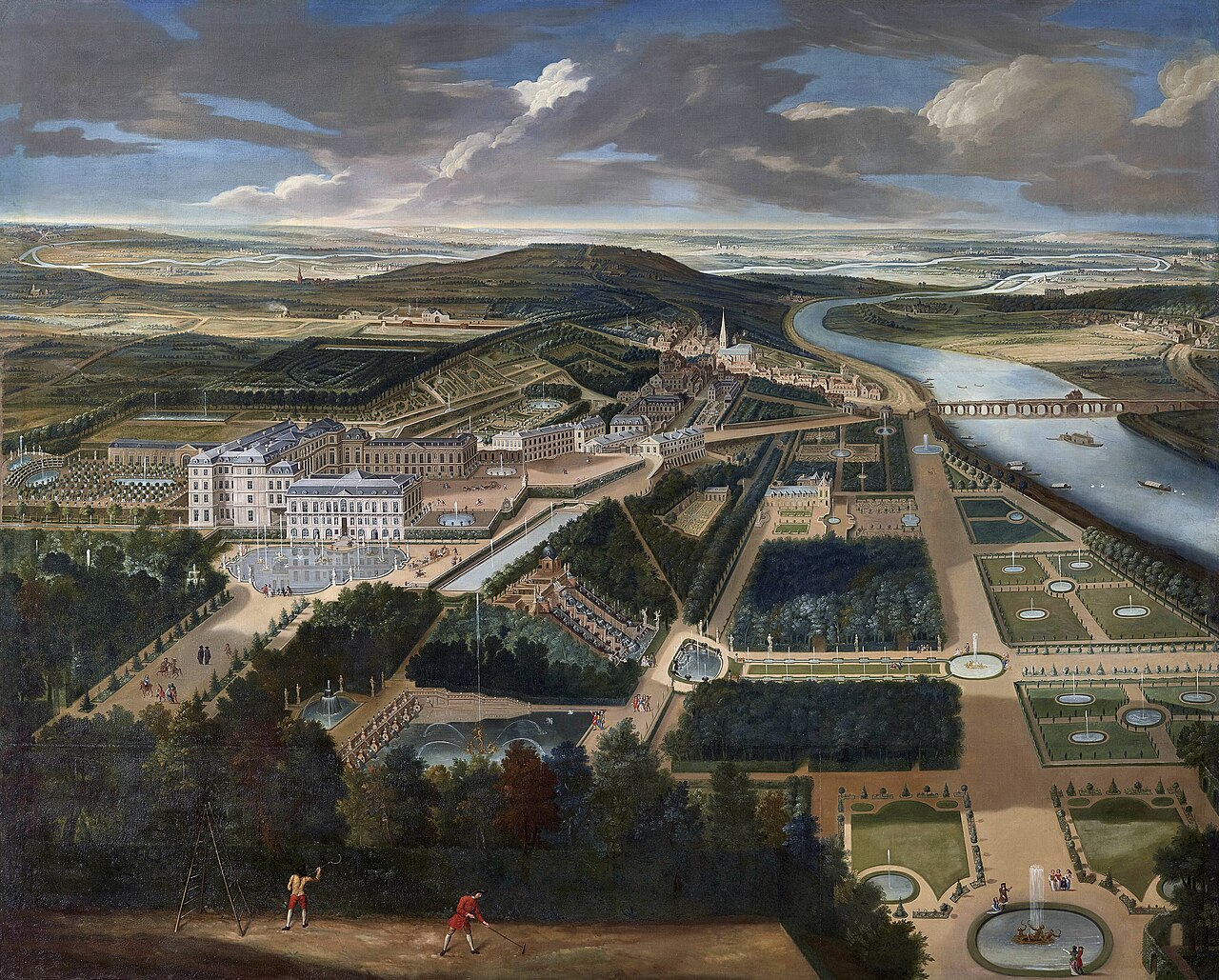
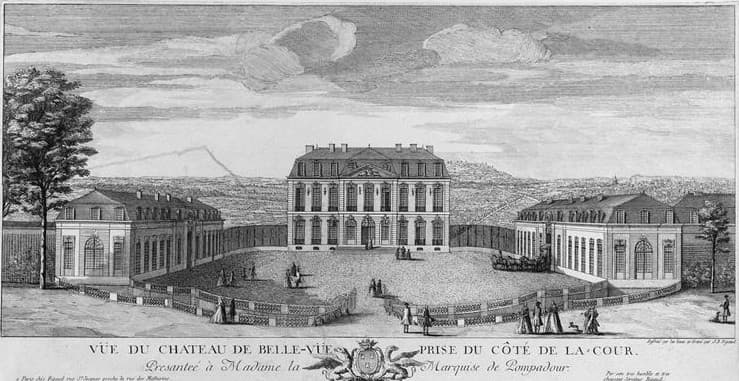
The Château de Bellevue was an 18th-century French château constructed in 1750 for Madame de Pompadour, the influential mistress of King Louis XV. Situated on a broad plateau in Meudon, the château commanded a strategic position overlooking the Seine River to the east. This location offered expansive views and was chosen for its scenic and elevated setting, characteristic of aristocratic residences of the period.
Historical context and significance
The château was built during the post-Renaissance period, reflecting the tastes and social ambitions of the French court in the mid-18th century. Madame de Pompadour, a key figure in the cultural and political life of Louis XV’s reign, commissioned the château as a private retreat away from the formalities of Versailles. It was part of a broader trend among the French nobility to establish elegant country residences that combined comfort with prestige.
Despite its relatively small size compared to other royal châteaux, Château de Bellevue held considerable importance due to its association with Madame de Pompadour and the French monarchy. The château also played a role in the social and cultural exchanges of the era, hosting gatherings that influenced art and politics.
Architectural features and design
The château's design embodied the French classical style prevalent in the mid-18th century, characterized by symmetry, proportion, and refined decorative elements. Although detailed architectural plans are scarce, records suggest the château had a compact layout with elegant façades and formal gardens complementing its elevated site.
The building was constructed with a focus on harmonious integration with the natural landscape, a principle favored in aristocratic architecture of the time. The broad plateau location allowed for terraces and viewpoints that maximized the visual connection to the Seine valley and surrounding countryside.
Gardens and surroundings
The château was set within carefully designed gardens that followed the formal French style, featuring geometric patterns, gravel paths, and ornamental plantings. These gardens enhanced the château’s aesthetic appeal and provided spaces for leisure and social events.
Demolition and current state
Unfortunately, the Château de Bellevue was demolished in 1823, less than a century after its construction. The reasons for its demolition include changing political circumstances following the French Revolution and the decline of royal patronage. Today, only ruins and archaeological remains mark the site, which is classified as an archaeological site.
Visitors to the area can still appreciate the château’s former location and the panoramic views that once made it a prized residence. The ruins serve as a reminder of the château’s historical and cultural significance in 18th-century France.
Legacy and cultural impact
The Château de Bellevue is remembered primarily for its connection to Madame de Pompadour and the French royal court. It reflects the architectural and social trends of the post-Renaissance aristocracy, illustrating the lifestyle and tastes of one of France’s most influential historical figures.
Though the physical structure no longer stands, the château’s legacy endures through historical records, art, and cultural memory, contributing to the understanding of French royal residences and their role in shaping European history.
Frequently asked questions (FAQ)
- What is the historical significance of Château de Bellevue?
- Château de Bellevue is a remarkable example of 18th-century French architecture and was once a royal residence. It was built for King Louis XV and later served as a residence for various notable figures, making it an important site in French history.
- When was Château de Bellevue constructed?
- Château de Bellevue was constructed between 1750 and 1753. It was designed by the architect Jean-Baptiste Pierre Legrand and showcases the elegance of French classicism.
- What are the opening hours of Château de Bellevue?
- Château de Bellevue is open to visitors from 10 AM to 6 PM, Tuesday through Sunday. It is closed on Mondays and certain public holidays, so it's best to check the official website for any updates before planning your visit.
- Can I visit Château de Bellevue with a wheelchair?
- Yes, Château de Bellevue is accessible to visitors with mobility challenges. The castle has made efforts to ensure that its facilities, including paths and entrances, accommodate wheelchair users.
- What are the ticket prices for visiting Château de Bellevue?
- Admission to Château de Bellevue is priced at €10 for adults, while children under 12 can enter for free. Discounts are available for students and seniors, so be sure to bring your identification for reduced rates.
- When is the best time to visit Château de Bellevue?
- The best time to visit Château de Bellevue is during the spring and fall when the weather is mild and the gardens are in full bloom. Visiting during weekdays can also help you avoid larger crowds.
- Is it possible to take guided tours of Château de Bellevue?
- Yes, guided tours are available and are highly recommended for those who want to learn more about the castle's history and architecture. These tours typically last about an hour and provide in-depth information about the site's significance.
- What nearby attractions can I visit while at Château de Bellevue?
- While visiting Château de Bellevue, you can explore the beautiful Parc de Meudon, which offers scenic walking paths and views of the city. Additionally, the nearby Meudon Observatory is an interesting site for astronomy enthusiasts.
Photo gallery

Photo by Jacques Rigaud•Public domain
Information
Loading map...
Visitor reviews
No reviews yet. Been here? Write the first review and help other travelers!
Write the first reviewVisited this castle? Share your experience
Your review helps other travelers and adds first-hand knowledge to our encyclopedia.