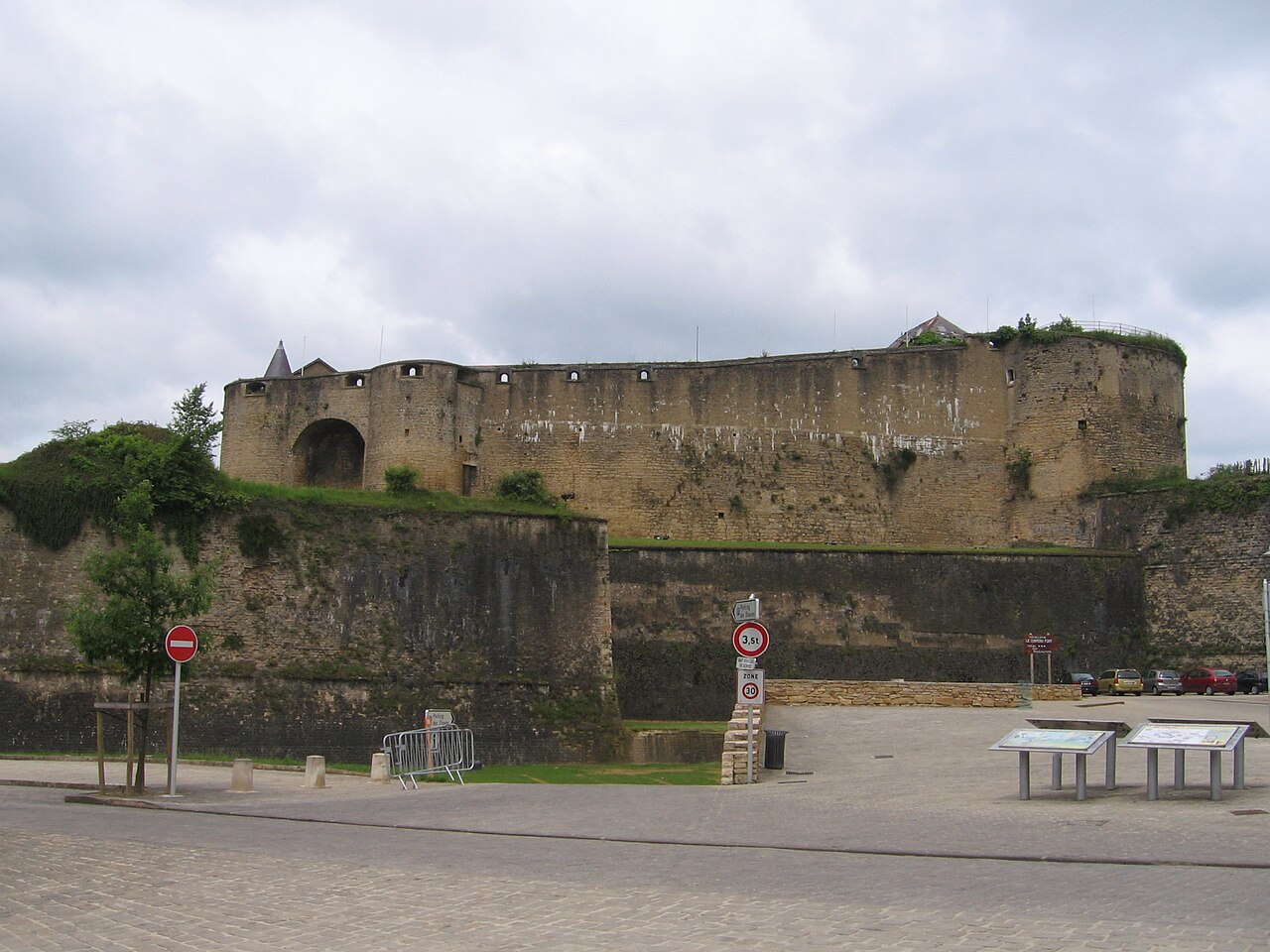
Château de Bazeilles
The Château de Bazeilles, historically known as Château d’Orival, is a notable example of an 18th-century French country house located in the municipality of Bazeilles in the Hauts-de-France region of France. Constructed under the direction of Louis Labauche, a prominent textile manufacturer born in 1698, the château reflects the architectural and industrial ambitions of its era.
Historical background and industrial significance
Louis Labauche played a pivotal role in the local textile industry during the 18th century. On March 30, 1741, he was granted a royal privilege to open a cloth manufacturing factory in the nearby town of Sedan. After acquiring the Bazeilles estate, he commissioned the construction of the château and established a fulling mill nearby. This mill was essential in the cloth processing industry, used specifically to cleanse and thicken woolen fabrics, a crucial step in textile production.
The introduction of innovative cloth processing machinery by Labauche met with resistance from shearers, workers responsible for trimming the cloth’s surface. Their opposition led to strikes, highlighting the tensions between technological progress and traditional labor practices during the period.
In recognition of his contributions and status, Louis Labauche was ennobled in April 1769, receiving the titles of squire and lord of Bazeilles. While some attributions credit the château’s design to the renowned architect Emmanuel Héré and its entrance gates to master craftsman Jean Lamour, stylistic studies suggest the involvement of less prominent artisans, as no concrete evidence supports these claims.
The château’s historical importance was formally recognized in 1943 when it was designated a historic monument. However, it suffered significant damage from a major fire in 1989, which impacted its preservation.
Architectural features and layout
The Château de Bazeilles exhibits a layout characteristic of 18th-century French noble residences, featuring a central main building flanked by two wings that project forward with gracefully curved corners. This configuration reflects the influence of the Louis XIV architectural style, known for its grandeur, symmetry, and balanced proportions.
The château’s façade facing the park is crowned by a triangular pediment adorned with sculpted female figures, a decorative element emphasizing the building’s elegance. Above the upper story is a large balcony supported by a central portico, with ornamental "macaron" motifs—sculpted heads—placed above the windows, adding artistic detail.
On the entrance side, the château features an asymmetrical pediment in the Rococo style, characterized by intricate and playful designs. The window keystones on this façade bear ornamental masks, further enriching the artistic expression of the building.
The neoclassical orangery and park features
Within the château’s enclosed park stands a neoclassical orangery, a structure traditionally used to shelter orange trees during colder months. The orangery is notable for its convex curved frontage topped with a slate roof that follows the rounded form, culminating in a smooth apex. Its walls feature alternating large bays and windows topped by oculi—circular openings that enhance natural light inside.
The park also includes water features that complement the landscape design, though specific details about their form or origin remain undocumented. Together, these elements illustrate a coherent example of 18th-century French noble architecture and landscaping that has been preserved through the centuries.
Preservation and cultural significance
The Château de Bazeilles is classified as a hill castle and remains an important cultural heritage site in the Hauts-de-France region. Despite the damage caused by the 1989 fire, efforts to maintain the château and its grounds continue, preserving its historical and architectural legacy.
The estate’s entrance gates are also recognized as historic monuments, underscoring the artistic and cultural value of the entire property. The château exemplifies the intersection of industrial innovation and aristocratic residence in 18th-century France, offering insights into the social and economic transformations of the period.
Frequently asked questions (FAQ)
- What is the historical significance of Château de Bazeilles?
- Château de Bazeilles is an important historical site that dates back to the 19th century, playing a vital role during the Franco-Prussian War. Its architecture reflects the period's design and offers insights into the military history of France.
- When was Château de Bazeilles built?
- Château de Bazeilles was constructed in the early 1800s, with its design influenced by the Romantic architectural styles of that era. The castle has undergone several renovations, preserving its historic charm while adapting to modern needs.
- What are the opening hours for Château de Bazeilles?
- Château de Bazeilles is open to visitors from 10 AM to 5 PM, Tuesday through Sunday. It is closed on Mondays and certain holidays, so it's advisable to check their official website for any updates before planning your visit.
- Can I take guided tours of Château de Bazeilles?
- Yes, guided tours are available at Château de Bazeilles, providing an in-depth look at its history and architecture. These tours are conducted by knowledgeable guides who can enrich your experience with fascinating stories about the castle and its significance.
- Is it possible to visit Château de Bazeilles with children?
- Absolutely! Château de Bazeilles is family-friendly and offers activities that engage visitors of all ages. Children will enjoy the exploration of the castle grounds and may participate in special events designed for young learners.
- What are the ticket prices for Château de Bazeilles?
- Tickets for Château de Bazeilles are reasonably priced, with discounts available for students and seniors. Children under a certain age may enter for free, making it an affordable outing for families.
- When is the best time to visit Château de Bazeilles?
- The best time to visit Château de Bazeilles is during the spring and early autumn when the weather is pleasant, and the gardens are in full bloom. Additionally, visiting during these seasons allows you to enjoy the surrounding natural beauty without the summer crowds.
- How do I get to Château de Bazeilles?
- Château de Bazeilles is easily accessible by car and public transport from nearby cities. There are parking facilities available, and local buses frequently connect with the castle, making it convenient for visitors.
- Are there any nearby attractions to visit along with Château de Bazeilles?
- Yes, there are several nearby attractions, including historic towns, beautiful parks, and other castles in the region. Exploring these sites can enhance your visit and provide a deeper understanding of the local history and culture.
Information
Website
Visit websiteSources & official resources
Verify the information above using these authoritative references.
Loading map...
Visitor reviews
No reviews yet. Been here? Write the first review and help other travelers!
Write the first reviewVisited this castle? Share your experience
Your review helps other travelers and adds first-hand knowledge to our encyclopedia.