Château de Barbirey-sur-Ouche
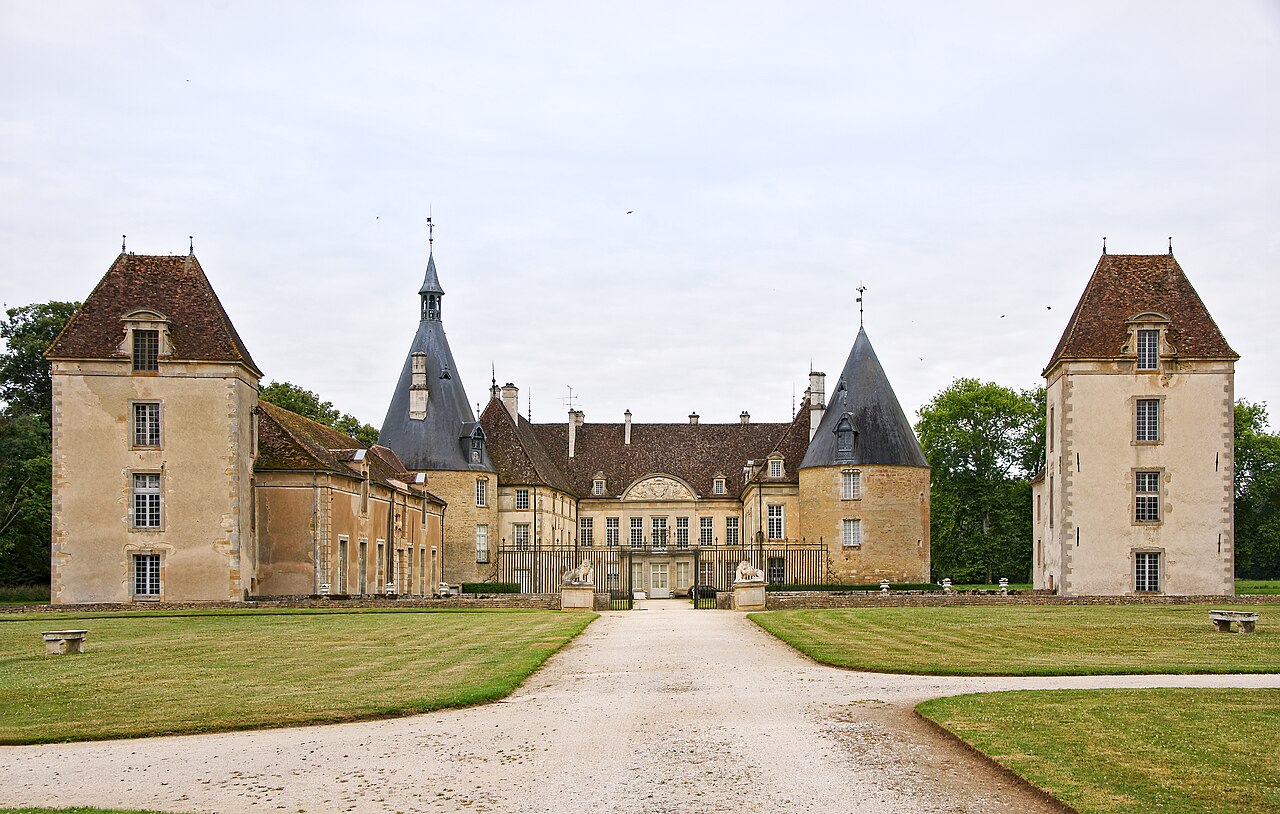
The Château de Barbirey-sur-Ouche is a historic castle located in the village of Barbirey-sur-Ouche in France. Its origins date back to the medieval period when the land was part of the barony of Marigny, a feudal domain governed by local lords who controlled the surrounding territory. This early history situates the château within the broader context of medieval feudalism in France, reflecting the typical structure of landholding and power during that era.
During the 18th century, the estate underwent significant transformation under the ownership of Jean Pâris de Monmartel, a prominent banker of his time. Following his death, his son, the Marquis de Brunoy, initiated a major reconstruction of the main château building. This reconstruction gave rise to the principal residence that stands today, marking a transition from the medieval fortress style to a more refined aristocratic dwelling. This change reflects the broader social shifts in pre-revolutionary France, where noble estates increasingly emphasized comfort and status over military defense.
Architectural features and estate layout
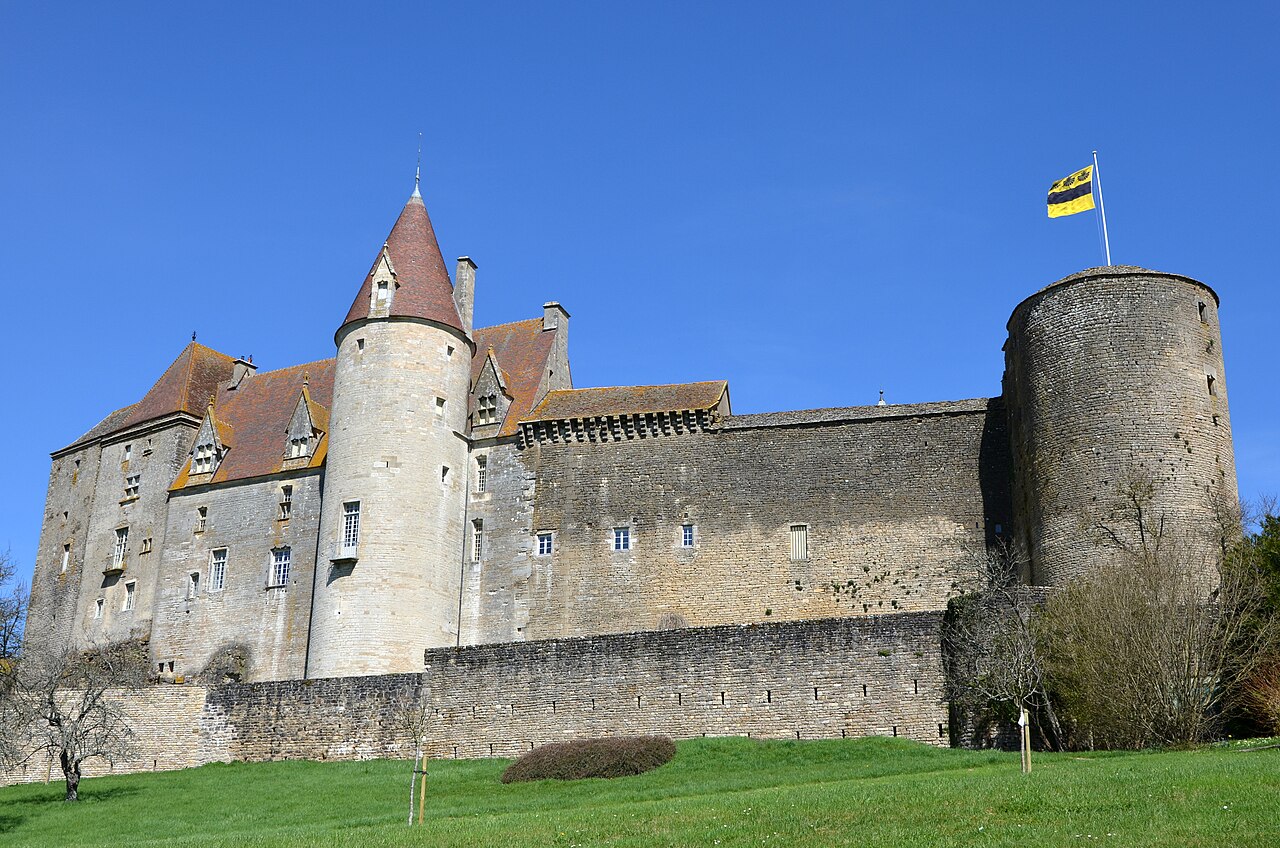
The château is classified as a hill castle, positioned strategically on elevated ground, which was typical for medieval fortifications to provide defensive advantages. Although the current main building primarily reflects the 18th-century reconstruction, the estate retains elements that hint at its medieval past.
The main building's architectural details from the 18th century are characterized by the elegant style favored by the French aristocracy, though specific construction materials and detailed layout plans are not extensively documented. The entrance to the estate is marked by a formal gateway, which serves as a distinguished threshold to the property, emphasizing its status and grandeur.
Within the grounds, the château is surrounded by an expansive park covering approximately eight hectares. These gardens have been recognized with the national "jardin remarquable" label, highlighting their botanical and aesthetic importance. The landscape design complements the château’s architecture, providing a harmonious setting that blends natural beauty with cultivated elegance.
Additional estate features include a pigeonnier (dovecote), a traditional structure used historically for housing pigeons. In French châteaux, the presence of a pigeonnier symbolized social status and served practical purposes as a food source. This structure contributes to the overall historic character of the estate.
Another notable feature is the château’s functional bread oven, which remains in use during the annual May 1st spring festivals. This oven connects contemporary cultural practices with the historical lifestyle of the château’s former inhabitants, preserving traditions that span centuries.
Historical significance and notable connections
The château’s ownership history reflects the evolving social and economic landscape of France. After the 18th-century renovations, the property changed hands towards the end of the 19th century when it was acquired by Raymond de Blic and his wife Marie de Foucauld. Marie was the sister of Father Charles de Foucauld, an influential religious figure known for his missionary work and spiritual writings. Charles de Foucauld visited the château on several occasions, establishing a unique religious and familial connection that adds depth to the estate’s historical narrative.
In recognition of its cultural and architectural value, the château was designated a listed historic monument in late 2005. This status underscores its importance within the region’s heritage and ensures protective measures for its preservation.
Preservation and current status
Today, the Château de Barbirey-sur-Ouche is well preserved, maintaining its 18th-century architectural character alongside its landscaped gardens. The estate continues to reflect the layered history of aristocratic life in France, from medieval feudal origins to modern cultural heritage.
A commemorative plaque dedicated to Charles de Foucauld is displayed on the property, acknowledging his familial ties and visits. This plaque adds a personal dimension to the château’s story and attracts visitors interested in religious history.
The château and its grounds serve not only as a historical monument but also as a venue for cultural events, particularly the spring festival featuring the traditional use of the bread oven. These ongoing activities help maintain the château’s role as a living part of the community and heritage tourism in the region.
Gardens and landscape design
The gardens, recognized as jardin remarquable, include carefully planned botanical arrangements that highlight both native and exotic plant species. The landscape design integrates formal garden elements with natural features, creating a tranquil environment that complements the château’s architecture. These gardens are an important aspect of the estate’s appeal to visitors and garden enthusiasts alike.
Architectural style and influences
The château’s architectural style is primarily reflective of the 18th-century French aristocratic aesthetic, characterized by symmetry, proportion, and restrained ornamentation. While the original medieval fortifications have largely been replaced or obscured by later renovations, the château’s elevated position and some structural elements hint at its defensive origins.
Frequently asked questions (FAQ)
- How do I get to Château de Barbirey-sur-Ouche?
- Château de Barbirey-sur-Ouche is located in the Bourgogne region of France, easily accessible by car or public transport. If you are traveling by train, the nearest major station is Dijon, from where you can take a local bus or taxi to the castle. Make sure to check local transport schedules for the most convenient route.
- What is the historical significance of Château de Barbirey-sur-Ouche?
- Château de Barbirey-sur-Ouche dates back to the 18th century and is a fine example of French neoclassical architecture. The castle has played a significant role in the region's history, serving as a residence for the nobility and hosting various historical events. Today, it stands as a testament to the rich cultural heritage of Burgundy.
- When was Château de Barbirey-sur-Ouche built?
- The construction of Château de Barbirey-sur-Ouche began in the early 1700s and was completed in 1750. It was designed by architect Claude Nicolas Ledoux, known for his innovative designs that blend functionality with aesthetics. The castle has since undergone various restorations to preserve its historical charm.
- Can I visit Château de Barbirey-sur-Ouche?
- Yes, visitors are welcome to explore Château de Barbirey-sur-Ouche during its opening hours. Guided tours are available, providing insights into the castle's history, architecture, and gardens. It’s advisable to book in advance, especially during peak tourist season, to ensure your spot.
- Why is the architecture of Château de Barbirey-sur-Ouche unique?
- The architecture of Château de Barbirey-sur-Ouche is characterized by its neoclassical style, featuring symmetrical shapes and elegant detailing. The castle's design reflects the grandeur of the 18th century, with beautiful gardens and a picturesque setting that enhances its beauty. Visitors often admire the intricate stonework and stunning interiors that showcase the craftsmanship of the era.
- Is it possible to host events at Château de Barbirey-sur-Ouche?
- Yes, Château de Barbirey-sur-Ouche is available for private events, including weddings and corporate gatherings. The picturesque setting and historical ambiance make it a popular choice for memorable occasions. Interested parties should contact the castle’s management for details on availability and packages.
- What are the opening hours for Château de Barbirey-sur-Ouche?
- Château de Barbirey-sur-Ouche typically opens to visitors from April to October, with varying hours depending on the season. During peak months, the castle usually opens from 10 AM to 6 PM. It's best to check the official website or contact the castle for the most current information on opening hours before your visit.
- What are the ticket prices for Château de Barbirey-sur-Ouche?
- Ticket prices for Château de Barbirey-sur-Ouche are generally affordable, with discounts available for students and seniors. A standard adult ticket typically costs around €10, while children under a certain age may enter for free. Keep an eye out for special events or guided tours that may have different pricing.
- When is the best time to visit Château de Barbirey-sur-Ouche?
- The best time to visit Château de Barbirey-sur-Ouche is during the spring and early autumn months when the weather is mild and the gardens are in full bloom. Additionally, visiting during weekdays can help you avoid larger crowds. Special events and festivals may also be held during these seasons, offering a unique experience.
- Are there any nearby attractions to visit along with Château de Barbirey-sur-Ouche?
- Yes, there are several nearby attractions worth exploring, including the charming village of Dijon, known for its rich history and culinary delights. The beautiful vineyards of Burgundy are also close by, offering wine tours and tastings. Nature enthusiasts can enjoy scenic walks along the Ouche River, making it a perfect day trip destination.
Information
Website
Visit websiteSources & official resources
Verify the information above using these authoritative references.
Loading map...
Visitor reviews
No reviews yet. Been here? Write the first review and help other travelers!
Write the first reviewVisited this castle? Share your experience
Your review helps other travelers and adds first-hand knowledge to our encyclopedia.