Charleville Castle
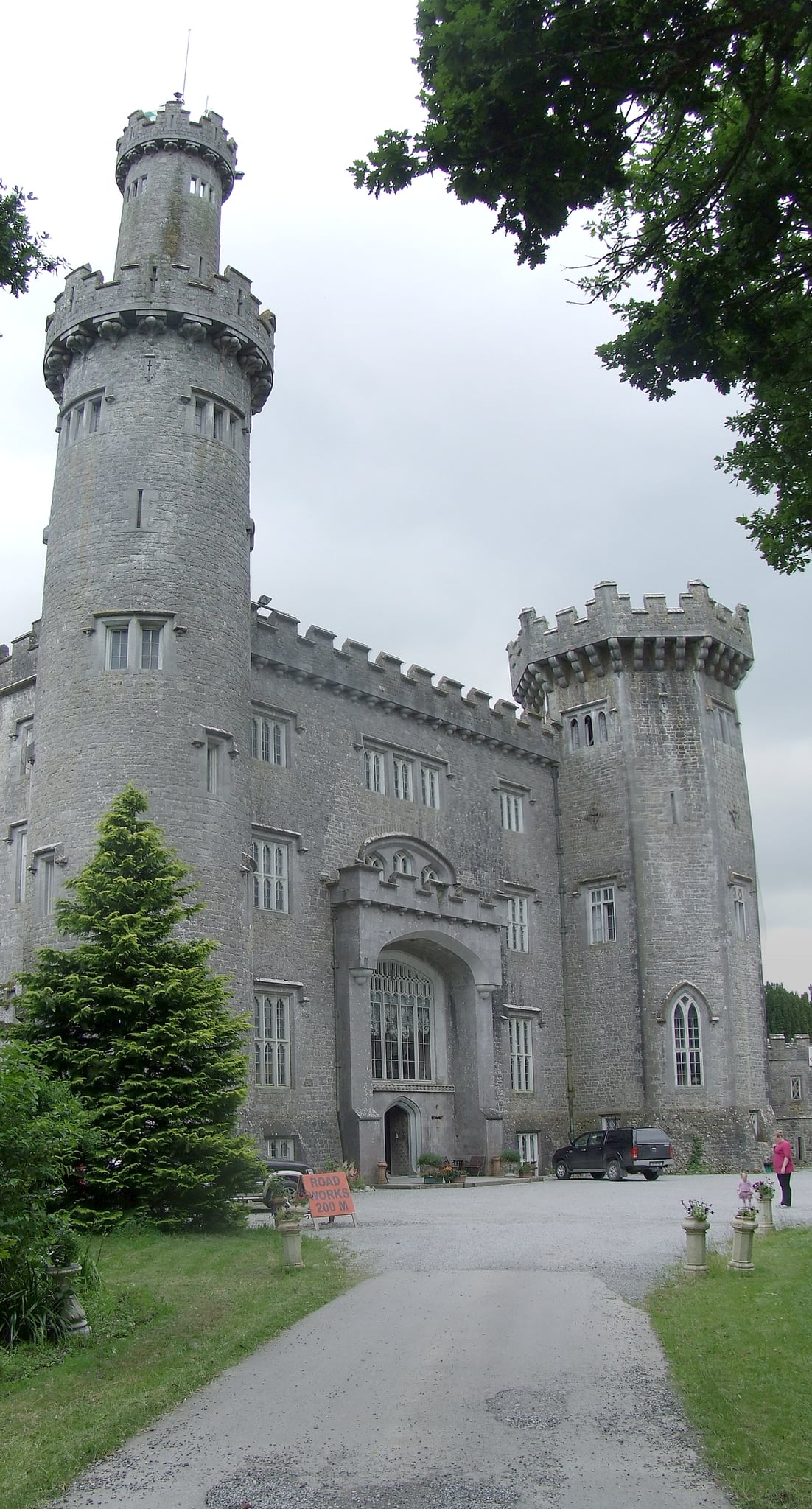
Charleville Castle stands as a striking example of Gothic Revival architecture in Tullamore, Ireland, renowned not only for its architectural grandeur but also for its unique role in celebrating the history of exploration. This 19th-century castle was designed by the acclaimed architect Francis Johnston and completed in 1807. It is widely regarded as one of the finest examples of Gothic Revival castles in Europe, featuring characteristic turrets, battlements, and pointed arches that evoke medieval fortresses while embodying the romantic ideals of its era.
The castle's connection to exploration is deeply rooted in its history, particularly through its last inhabitant, Colonel Charles Kenneth Howard-Bury. An accomplished botanist and explorer, Howard-Bury led the 1920 Mount Everest reconnaissance expedition, a pioneering journey that laid the groundwork for future attempts to summit the world's highest peak. His residency at Charleville Castle adds a profound layer of historical significance, linking the site to global exploration narratives.
Architectural features and historical significance
The design of Charleville Castle reflects the Gothic Revival style popular in the early 19th century, characterized by its dramatic and picturesque silhouette. The castle boasts towers with crenellated parapets, ornate stonework, and large lancet windows that flood the interiors with light. The layout includes a grand entrance hall, spacious drawing rooms, and intricately decorated chambers that showcase the craftsmanship of the period.
Beyond its architectural beauty, the castle has a rich cultural history. It was a favored residence of Lord Byron, the famous Romantic poet, who is said to have hosted lively parties within its walls. The castle's atmosphere of romanticism and mystery is enhanced by its reputed hauntings, including the ghost of Harriet, an 8-year-old girl who tragically fell down the grand staircase.
The explorers museum: celebrating adventure and discovery
Since 2014, Charleville Castle has been home to the Explorers Museum, a nonprofit organization dedicated to honoring the spirit of exploration. The museum hosts exhibitions that highlight significant expeditions and explorers, ranging from well-known figures like Howard-Bury to lesser-known adventurers who contributed to our understanding of the world.
The museum's inaugural exhibit focused on Colonel Howard-Bury, paying tribute to his contributions to mountaineering and botanical science. It provides visitors with insights into the challenges and triumphs of early 20th-century exploration, featuring artifacts, photographs, and detailed accounts of expeditions.
In addition to exhibitions, the Explorers Museum serves as a hub for contemporary adventurers and scientists. It organizes regular meetings and events where members discuss upcoming expeditions, including deep-sea dives and innovative projects like filming solar eclipses with drones. This ongoing activity keeps the legacy of exploration alive within the historic walls of Charleville Castle.
The estate and surrounding landscape
The castle is set within an expansive estate that includes ancient woodlands believed to have been the hunting grounds of druids. Among these woods stands the King Oak, a venerable tree estimated to be around 900 years old. According to local legend, the fall of a branch from this tree foretells the death of a member of the Bury family, adding an element of mysticism to the site.
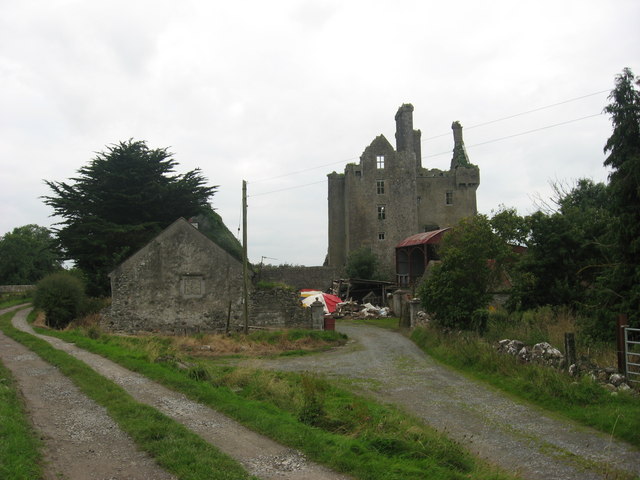
While the main castle has been preserved and restored to accommodate the museum and public visits, other parts of the estate, such as the stables and outbuildings, have fallen into a state of disrepair. These crumbling structures, overgrown with vines, provide a hauntingly beautiful backdrop that attracts explorers and history enthusiasts alike.
Visitor experience and cultural heritage
Visitors to Charleville Castle can explore the richly decorated interiors, learn about the history of exploration, and immerse themselves in the romantic and sometimes eerie atmosphere of the castle. The combination of architectural splendor, historical narratives, and natural surroundings makes it a compelling destination for those interested in Gothic Revival architecture, exploration history, and Irish cultural heritage.
The castle's reputation for hauntings, particularly the story of Harriet's ghost, adds an intriguing layer to the visitor experience, drawing those fascinated by paranormal tales. The estate's ancient woods and legendary King Oak further enrich the cultural tapestry of the site, connecting visitors to centuries of local lore.
Frequently asked questions (FAQ)
- What is the historical significance of Charleville Castle?
- Charleville Castle, built in the early 19th century, is a prime example of Gothic Revival architecture and is notable for its impressive design by architect Francis Johnston. The castle has played a significant role in the local history of Tullamore and is often associated with the O'Carroll family, who were its original owners.
- When was Charleville Castle constructed?
- Construction of Charleville Castle began in 1800 and was completed in 1809. It was designed to serve as a grand residence for the local gentry and has since become a prominent landmark in the Tullamore area.
- Can I visit Charleville Castle?
- Yes, Charleville Castle is open to visitors, offering guided tours that provide insights into its history and architecture. It’s advisable to check the official website for tour availability and any special events that may be happening during your visit.
- What are the opening hours for Charleville Castle?
- The opening hours for Charleville Castle can vary seasonally, so it’s best to consult the castle's official website for the most accurate and up-to-date information. Generally, the castle opens for tours in the afternoon, with specific hours set for weekends and holidays.
- Is it possible to access Charleville Castle for those with mobility challenges?
- While efforts have been made to enhance accessibility at Charleville Castle, the historic nature of the building can present some challenges for visitors with mobility issues. It's recommended to contact the castle staff in advance to discuss any specific accessibility needs and to ensure a comfortable visit.
- What is the best time to visit Charleville Castle?
- The best time to visit Charleville Castle is during the spring and summer months when the weather is more favorable and the gardens are in full bloom. Additionally, several events and festivals are held during these months that enhance the visitor experience.
- Are there any nearby attractions to visit along with Charleville Castle?
- Yes, there are several attractions near Charleville Castle, including the Tullamore Dew Visitor Centre and the scenic Tullamore Town Park. These sites offer additional insights into the local culture and history, making for a well-rounded day of exploration.
- What are the ticket prices for Charleville Castle?
- Ticket prices for Charleville Castle are generally modest and vary depending on whether you are taking a guided tour or visiting for a special event. It’s advisable to check the official website for current pricing, as well as any discounts for families or groups.
Information
Website
Visit websiteSources & official resources
Verify the information above using these authoritative references.
Loading map...
Visitor reviews
No reviews yet. Been here? Write the first review and help other travelers!
Write the first reviewVisited this castle? Share your experience
Your review helps other travelers and adds first-hand knowledge to our encyclopedia.