Chamber of Art and Curiosities
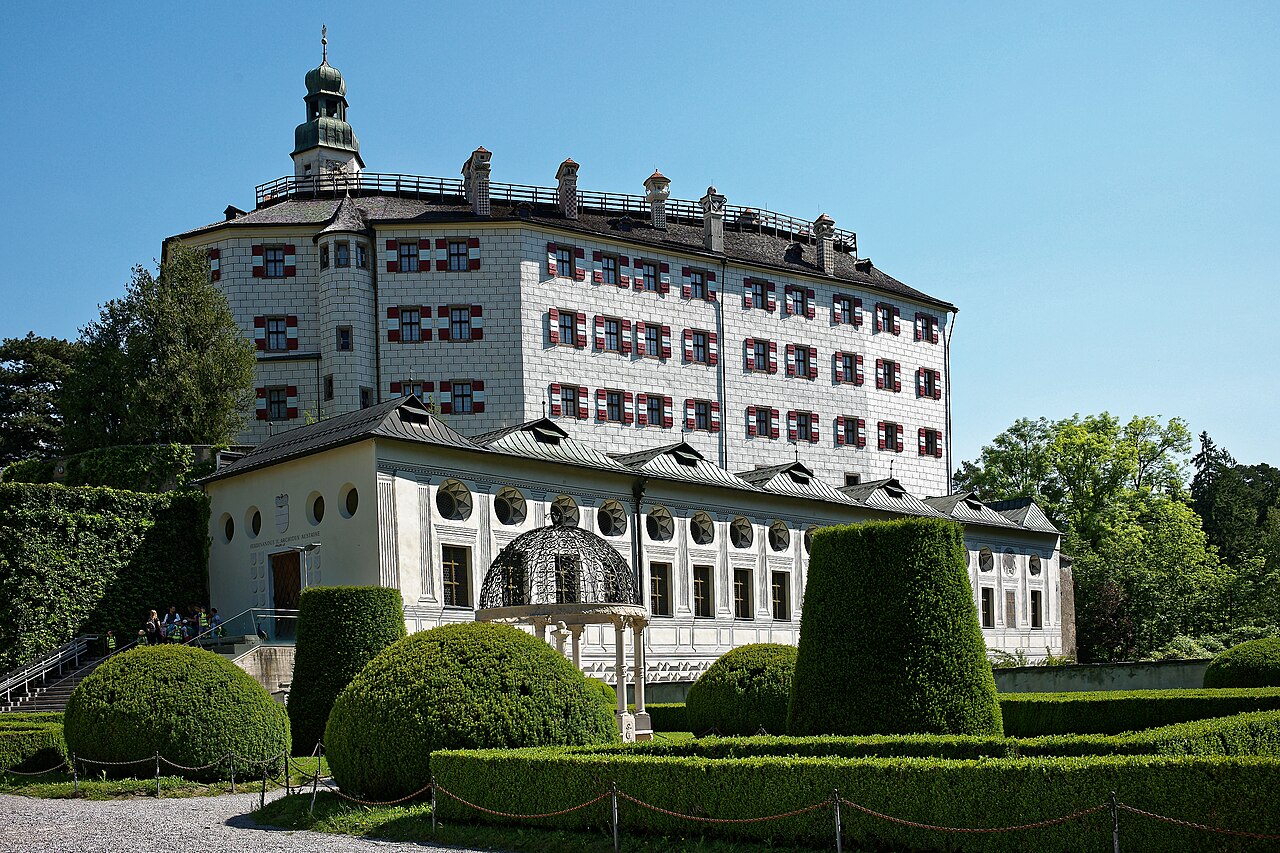
Ambras Castle, located in Innsbruck, Tirol, Austria, is a remarkable example of Renaissance architecture and one of the most significant cultural landmarks in the region. Originally a 10th-century medieval fortress, it was transformed in the mid-16th century into a Renaissance-style residence and museum by order of Austrian Archduke Ferdinand II. After his appointment as provincial sovereign of Tirol in 1563, Ferdinand II commissioned Italian architects to redesign the castle for his wife, Philippine Welser, whom he had married secretly years earlier.
The castle is renowned primarily for housing the Chamber of Art and Curiosities, a unique collection of rare and exotic objects assembled by the archduke. This collection is one of the few surviving wunderkammern from the Mannerism period that remains in its original location, making it one of the oldest museums in the world. The Cabinet of Curiosities tradition flourished during the Renaissance, serving as a symbol of a nobleman's refined taste and intellectual curiosity. These collections typically contained religious relics, artworks, natural specimens, and unusual artifacts, reflecting the era's fascination with the natural world and the exotic.
Historical context and transformation
The original fortress at Ambras was strategically positioned on a hill overlooking Innsbruck, serving defensive purposes during the medieval period. When Archduke Ferdinand II took control of Tirol, he envisioned transforming the fortress into a cultural and residential complex that reflected Renaissance ideals of art, science, and humanism. The renovation incorporated Italian Renaissance architectural elements, blending them with the castle's medieval structures.
Italian Renaissance influence
The redesign of Ambras Castle involved Italian architects who introduced characteristic Renaissance features such as symmetrical layouts, elegant arcades, and ornamental facades. This transformation not only enhanced the castle’s aesthetic appeal but also created suitable spaces for displaying the archduke's extensive collections. The castle's courtyards and halls were adapted to accommodate exhibition rooms, including the famous Chamber of Art and Curiosities.
The chamber of art and curiosities collection
Archduke Ferdinand II was an avid collector, and his wunderkammer included a wide array of objects from across Europe and beyond. The collection encompassed natural history specimens, such as exotic animals and minerals, alongside artistic works like paintings, sculptures, and intricate craftsmanship. Religious relics and scientific instruments were also part of the assemblage, illustrating the Renaissance ideal of encyclopedic knowledge.
The Chamber of Art and Curiosities at Ambras Castle is exceptional because it preserves the original arrangement and display methods used by the archduke, offering invaluable insight into Renaissance collecting practices. Visitors today can see the carefully curated cabinets, shelves, and display cases that housed these treasures, providing a vivid glimpse into the intellectual and cultural climate of the 16th century.
Significance in museum history
As one of the earliest museums in the world, the Chamber of Art and Curiosities at Ambras Castle represents a foundational moment in the history of museology. Unlike many other collections that have been dispersed or relocated, this wunderkammer remains intact in its original setting, making it a rare and precious cultural heritage site. It illustrates the transition from private collections of curiosities to public museums and highlights the role of aristocratic patronage in preserving art and knowledge.
Architectural features and the castle complex
Ambras Castle is classified as a hill castle, situated on a prominent elevation that provided natural defense advantages. The castle complex includes fortified walls, bastions, and a series of courtyards that reflect its dual function as a residence and a defensive stronghold. The Renaissance renovations introduced elegant architectural details such as arcaded galleries and ornamental portals, which contrast with the castle’s medieval origins.
The castle’s interior spaces were carefully designed to accommodate both residential needs and exhibition purposes. The halls and chambers are adorned with frescoes, tapestries, and period furnishings that evoke the atmosphere of the Renaissance court. The integration of art display areas within the living quarters exemplifies the era’s blending of aesthetic enjoyment and intellectual pursuit.
Preservation and current status
Today, Ambras Castle is well preserved and functions as a museum open to the public. It is managed by cultural heritage authorities who maintain the castle and its collections, ensuring their protection for future generations. The castle’s unique combination of architectural beauty and historical significance attracts scholars, tourists, and art enthusiasts worldwide.
Visiting ambras castle and the chamber of curiosities
Visitors to Ambras Castle can explore the Chamber of Art and Curiosities along with other parts of the castle complex. The museum offers guided tours that explain the history of the collection, the castle’s architectural evolution, and the cultural context of the Renaissance period. The castle grounds also provide scenic views over Innsbruck and the surrounding Tirol landscape.
The best time to visit is during the warmer months when the castle’s gardens and courtyards are accessible. The museum provides educational programs and special exhibitions that enhance the visitor experience and deepen understanding of Renaissance art and collecting traditions.
Accessibility and visitor information
Ambras Castle is accessible by public transport and car, with parking facilities nearby. The museum is equipped to accommodate visitors with mobility challenges, although some areas may have limited access due to the historic nature of the building. Ticket prices are reasonable, and discounts are available for students, seniors, and groups.
Frequently asked questions (FAQ)
- What is the historical significance of the Chamber of Art and Curiosities?
- The Chamber of Art and Curiosities in Innsbruck is a remarkable example of Renaissance-era collecting and display. Established in the late 16th century, it showcases a unique blend of art, natural history, and curiosities, reflecting the intellectual interests of its time and the cultural richness of the region.
- When was the Chamber of Art and Curiosities built?
- The Chamber of Art and Curiosities was constructed in 1582 under the orders of Archduke Ferdinand II of Tyrol. It served as a private collection and exhibition space, highlighting the archduke's passion for art and the natural world.
- Can I visit the Chamber of Art and Curiosities year-round?
- Yes, the Chamber of Art and Curiosities is open to visitors throughout the year. However, it is advisable to check the official website for any seasonal changes in opening hours or special closures.
- What are the opening hours for the Chamber of Art and Curiosities?
- The Chamber is typically open from 10 AM to 5 PM, with extended hours during the summer months. Visitors should verify the exact opening times before planning their visit, as they may change for holidays or special events.
- Is it possible to access the Chamber of Art and Curiosities with a wheelchair?
- Yes, the Chamber of Art and Curiosities is accessible for visitors with mobility challenges. Ramps and elevators are available to ensure that all guests can enjoy the exhibits comfortably.
- When is the best time to visit the Chamber of Art and Curiosities?
- The best time to visit is during the shoulder seasons of spring and autumn when the weather is mild, and tourist crowds are smaller. This allows for a more enjoyable and intimate experience while exploring the unique collections.
- What are the ticket prices for the Chamber of Art and Curiosities?
- Ticket prices are generally affordable, with discounts available for students, seniors, and families. It's advisable to check the official website for current rates and any special offers that may be available during your visit.
- Are there any nearby attractions to visit after the Chamber of Art and Curiosities?
- Yes, after visiting the Chamber, guests can explore other attractions such as the Imperial Palace, the Golden Roof, and the Tyrolean State Museum. These sites are within walking distance and offer additional insights into Innsbruck's rich history and culture.
Information
Website
Visit websiteSources & official resources
Verify the information above using these authoritative references.
Loading map...
Visitor reviews
No reviews yet. Been here? Write the first review and help other travelers!
Write the first reviewVisited this castle? Share your experience
Your review helps other travelers and adds first-hand knowledge to our encyclopedia.