Cetin Castle
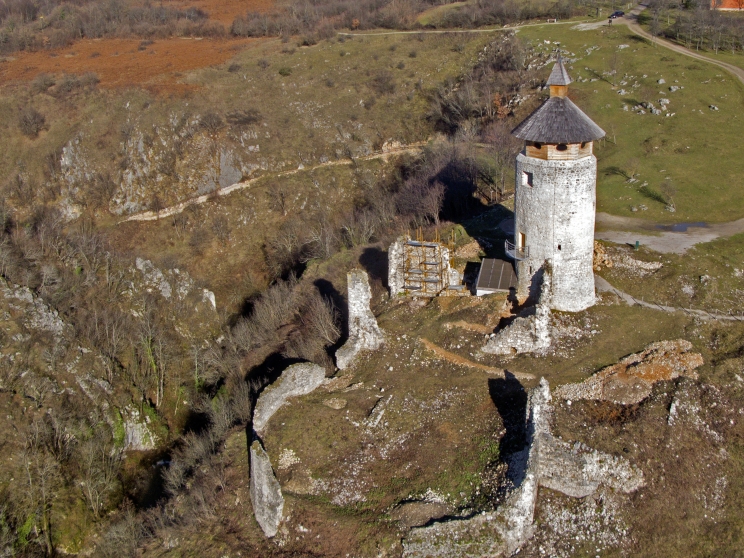
Cetin Castle stands as a significant late-medieval fortress located approximately 5 kilometres south of Cetingrad, Croatia, perched above the village of Podcetin. Though the exact date of its founding remains unknown, archaeological and historical evidence suggest that the site may have been inhabited since the time of the Roman Empire. The castle's strategic position atop a hill provided a commanding view of the surrounding region, a typical feature of hill castles designed for defense and control.
Historical background and early significance
The earliest documented mention of the area comes from 1334, referencing the Parish of All Saints, which included the fortress. By 1387, the fortress had entered the possession of the prominent Frankopan family when King Sigismund, the Holy Roman Emperor, granted it to Ivan Krčki. This transfer marked the beginning of Cetin's golden era during the late medieval period, when it became a center of noble power and religious activity. The vicinity hosted a Franciscan monastery and several churches, underscoring its cultural and spiritual importance.
The Frankopan family and the cetinski branch
In the 15th century, the Cetinski branch of the Frankopan family emerged, maintaining control of the fortress for about a century. Notable members included Ivan Frankopan Cetinski, who died in the Battle of Krbava Field, a significant conflict in Croatian history. His brother Grgur and son Franjo Frankopan held high ecclesiastical positions as archbishops of Kalocsa. The lineage ended with Franjo Frankopan, after which the fortress passed to the Frankopan Slunjski family.
Cetin castle and its role in croatian statehood
Cetin Castle holds a pivotal place in Croatian national history due to the events following the Battle of Mohács in 1526. After the defeat of Hungarian and Croatian forces by the Ottoman Empire, Croatian nobility convened at the Parliament of Cetin (Cetinski sabor). On 1 January 1527, they elected Ferdinand I of Habsburg, the Archduke of Austria, as the king of Croatia. This election was a defining moment, aligning Croatia with the Habsburg Monarchy for centuries to come.
The charter signed by Croatian nobles and representatives of Ferdinand I is a crucial document of Croatian statehood and is preserved in the Austrian State Archives in Vienna. This event marked the beginning of a long political and military alliance that shaped the region's history.
Military frontier and conflicts with the ottoman empire
Following the election of Ferdinand I, Cetin became part of the Military Frontier, a borderland zone between the Habsburg Monarchy and the Ottoman Empire. The fortress saw multiple sieges and changes of control during this turbulent period. Ottoman forces captured Cetin several times, leading to repeated damage and subsequent repairs.
Evidence of these reconstructions includes two stone plates with Arabic inscriptions, now housed in the Croatian History Museum. These inscriptions attest to the Ottoman architectural and military presence in the fortress during their occupation.
The 1790 siege and later military events
In 1790, Austrian troops under General Walisch conducted a month-long siege to recapture Cetin from the Ottomans. The victory was significant, resulting in several officers receiving honors, including Johann I Josef, Prince of Liechtenstein. The fortress's status was formally recognized during the peace conference in Svishtov.
Despite this, the Ottomans briefly reoccupied Cetin in 1809 during the Napoleonic Wars but withdrew in 1810 under pressure from Marshal Marmont, governor-general of the Illyrian Provinces. After the Ottoman threat diminished, the fortress was abandoned and eventually quarried for building materials.
Architectural features and current condition
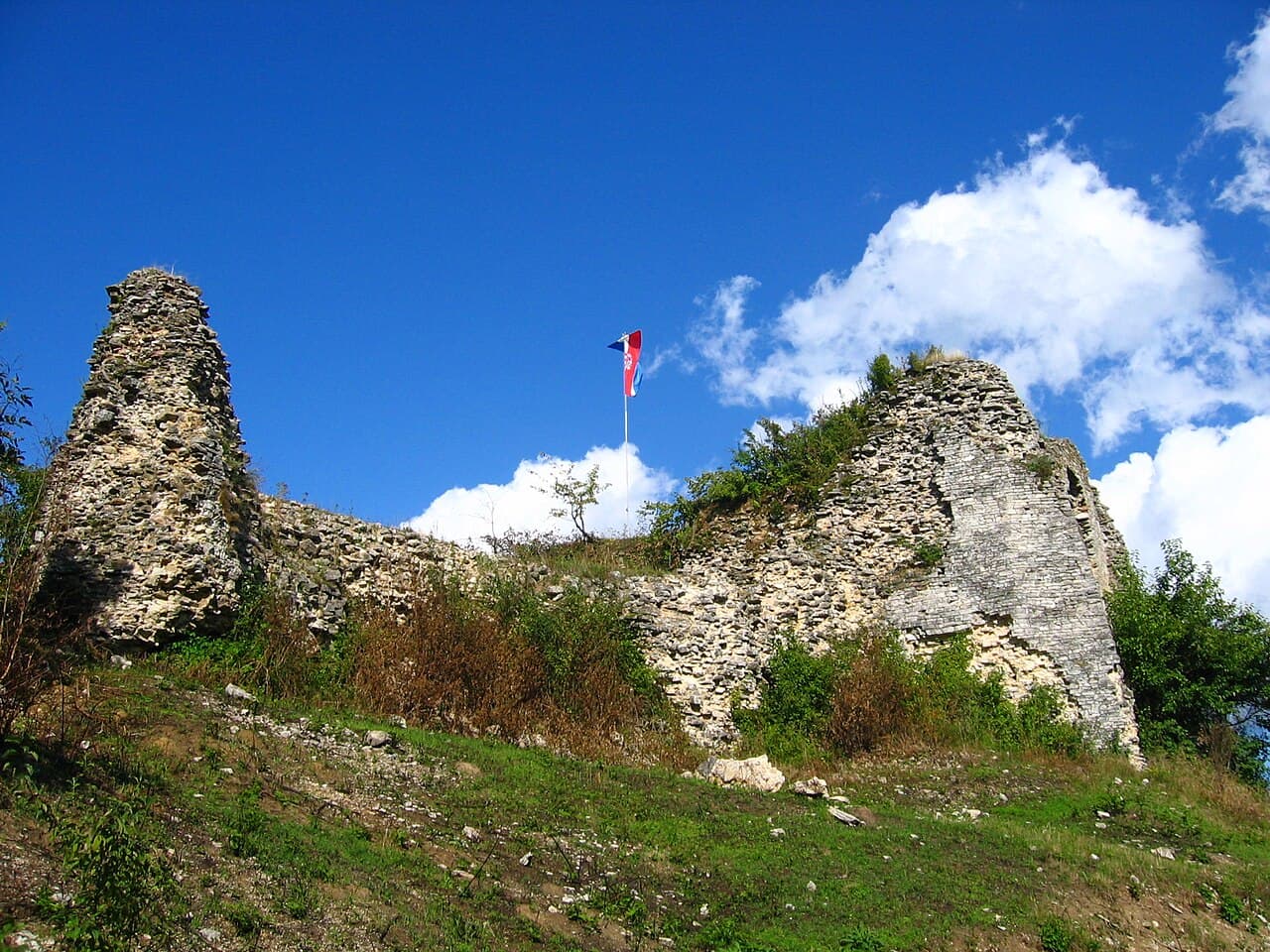
Today, Cetin Castle exists as ruins, classified as an archaeological site. Its remains include foundational walls and fragments of defensive structures typical of late-medieval hill castles. The fortress's layout reflects its strategic military purpose, with fortifications adapted over centuries to withstand sieges and artillery advancements.
Although much of the castle has deteriorated, the site remains a valuable cultural heritage monument. Its ruins offer insight into medieval Croatian fortification techniques and the region's complex history of conflict and governance.
Legacy and cultural significance
Cetin Castle symbolizes a critical juncture in Croatian history—the election of a Habsburg monarch that influenced the nation's political trajectory for centuries. The site attracts historians, archaeologists, and visitors interested in Croatia's medieval past and its role in European power struggles.
The nearby village of Cetingrad grew in importance as administrative functions shifted away from the fortress following its abandonment. Today, Cetin Castle stands as a testament to the resilience and strategic importance of medieval fortresses in Croatia's national narrative.
Frequently asked questions (FAQ)
- How do I get to Cetin Castle?
- Cetin Castle is located in Cetingrad, Croatia, approximately a 90-minute drive from Zagreb. You can reach the castle by car or by taking public transportation to Cetingrad, followed by a short walk to the site.
- What is the historical significance of Cetin Castle?
- Cetin Castle dates back to the 13th century and played a crucial role in the defense against Ottoman invasions. It is a symbol of Croatian heritage and showcases the architectural styles of its time, reflecting the turbulent history of the region.
- When was Cetin Castle built?
- Cetin Castle was constructed in the late 13th century, specifically around the year 1275. It has undergone various renovations and restorations over the centuries, preserving its historical essence.
- Can I visit Cetin Castle year-round?
- Yes, Cetin Castle is open to visitors throughout the year. However, it’s advisable to check the local weather conditions and any seasonal accessibility updates before planning your visit.
- Why is Cetin Castle a popular tourist attraction?
- Cetin Castle attracts visitors due to its rich history, stunning views of the surrounding landscape, and impressive architectural features. It offers a glimpse into the medieval past of Croatia and is a favorite spot for history enthusiasts and photographers alike.
- Is it possible to explore the interiors of the castle?
- Currently, the interiors of Cetin Castle are not fully restored, but visitors can explore the castle grounds and enjoy the panoramic views from its walls. Guided tours may provide more insight into the history and architecture, so be sure to check for availability.
- What are the opening hours for Cetin Castle?
- Cetin Castle typically opens at 9 AM and closes at 5 PM, but hours may vary by season. It's recommended to verify the current hours on the official website before your visit to ensure a smooth experience.
- Are there any nearby attractions to visit while in Cetingrad?
- Yes, nearby attractions include the charming town of Cetingrad itself, as well as the picturesque landscapes of the Plitvice Lakes National Park, which is just a short drive away. These sites offer additional opportunities for exploration and enjoyment of Croatia's natural beauty.
- What are the ticket prices for visiting Cetin Castle?
- Entry to Cetin Castle is generally free, making it an accessible destination for all visitors. However, some guided tours may have a nominal fee, so it's a good idea to check for any specific pricing details ahead of your visit.
Photo gallery

Photo by Neoneo13•Public domain
Information
Loading map...
Visitor reviews
No reviews yet. Been here? Write the first review and help other travelers!
Write the first reviewVisited this castle? Share your experience
Your review helps other travelers and adds first-hand knowledge to our encyclopedia.