Čeklís Castle — Slovakia castle

Čeklís Castle

Čeklís Castle: medieval ruins near Bernolákovo, Slovakia
Bernolákovo, Slovakia
High Medieval (11th–13th c.)
Ruins

Čeklís Castle is a medieval fortification located near Bernolákovo in the Bratislava region of Slovakia. Constructed most likely in the 13th century, this castle served as a strategic defensive structure during the High Medieval period. Although now in ruins, the site remains significant for its historical and architectural value, offering insights into medieval fortification techniques in the region.

Historical background and significance

The origins of Čeklís Castle date back to the High Medieval era, a time when many castles were erected across Europe to assert territorial control and protect trade routes. The castle was built on a ridge, which provided a natural defensive advantage and oversight of the surrounding landscape. It played a role in local power dynamics until its destruction and abandonment in the 16th century, a period marked by changes in military technology and political shifts that rendered many medieval fortresses obsolete.

Architectural features and layout

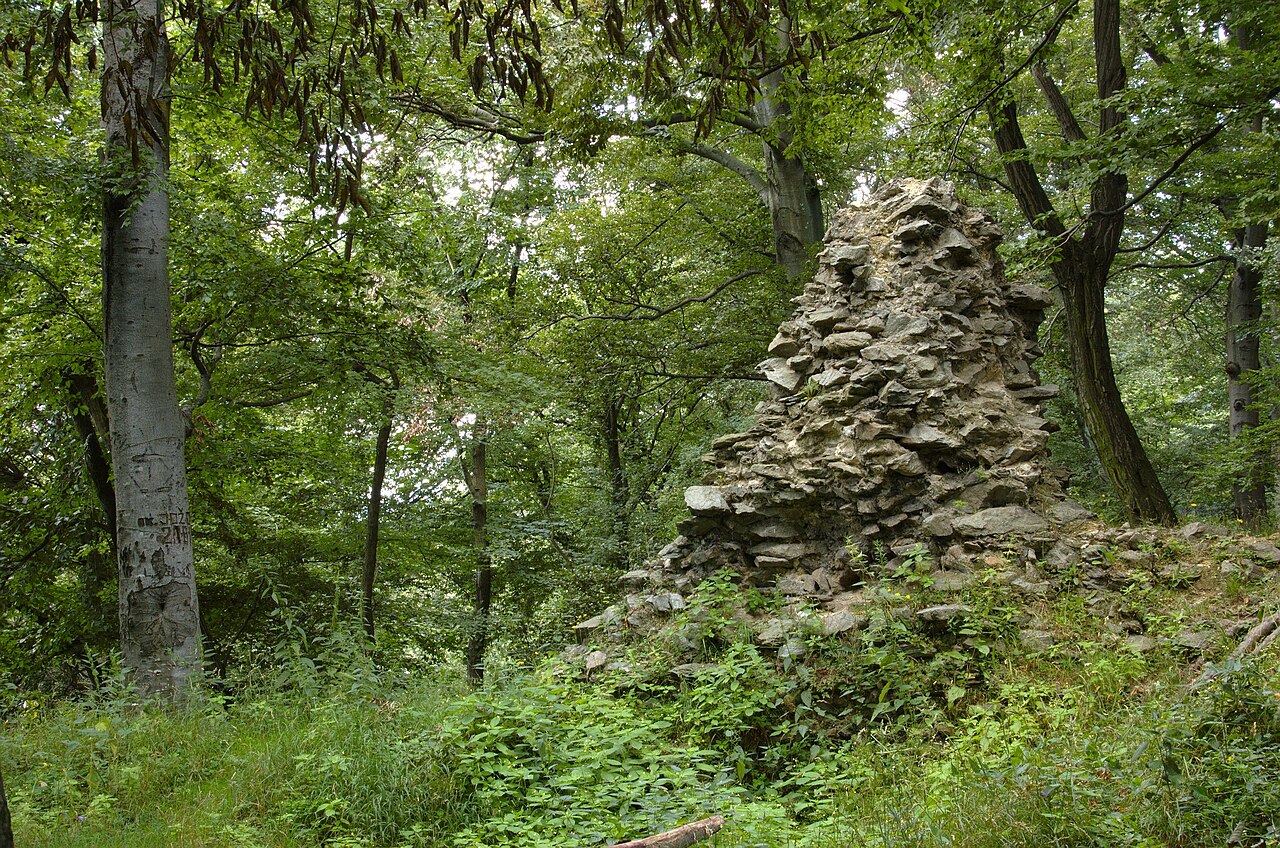
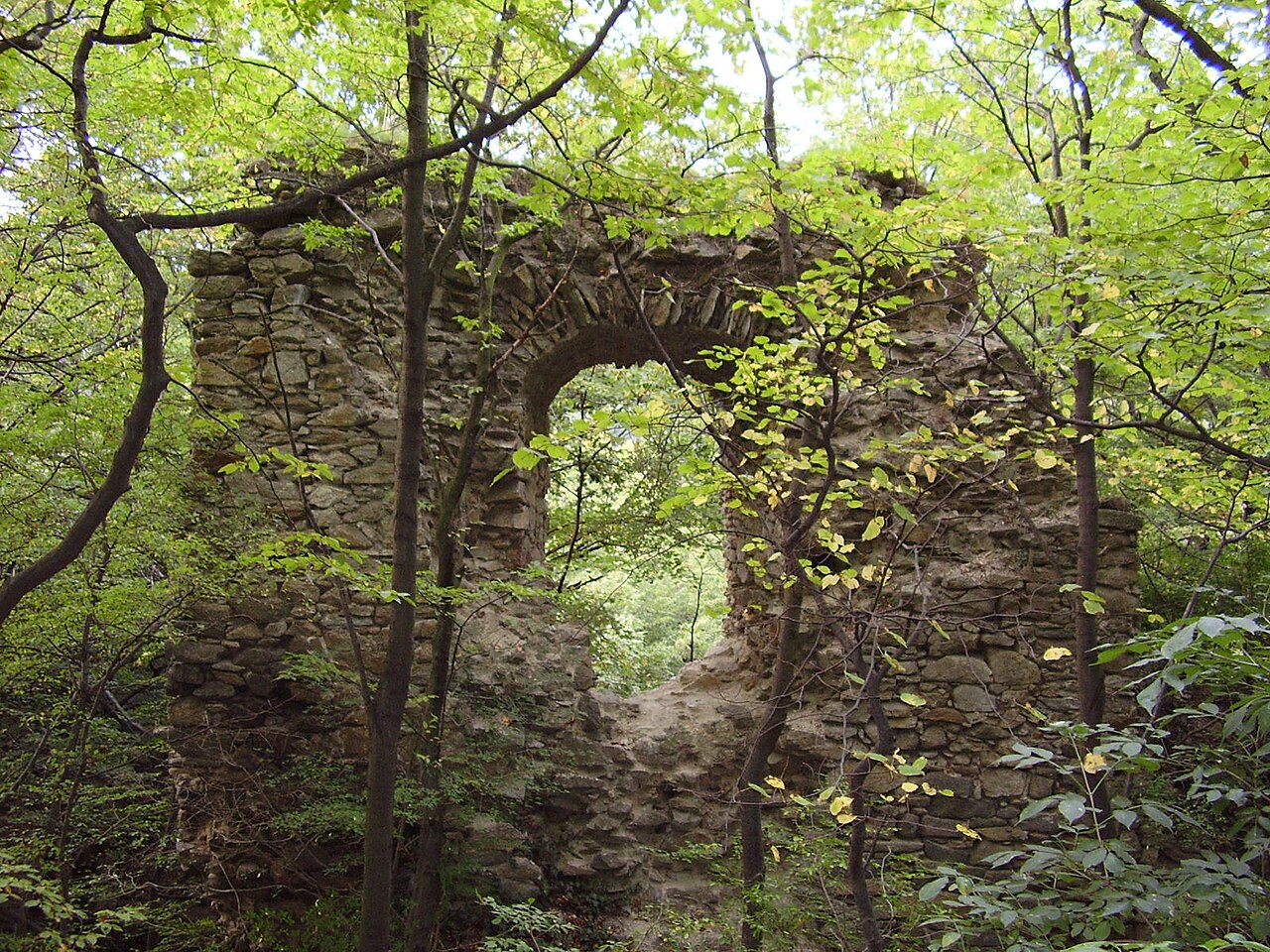
Today, only a fragment of the original structure remains visible above ground. The most notable surviving feature is a 32-meter-long perimeter wall situated along the edge of the ridge. This wall is a testament to the castle's original defensive capabilities, constructed from durable stone materials typical of the period. The castle's layout likely included additional fortifications such as towers, gates, and a courtyard, although these have not survived or have yet to be uncovered through archaeological work.

The water tower

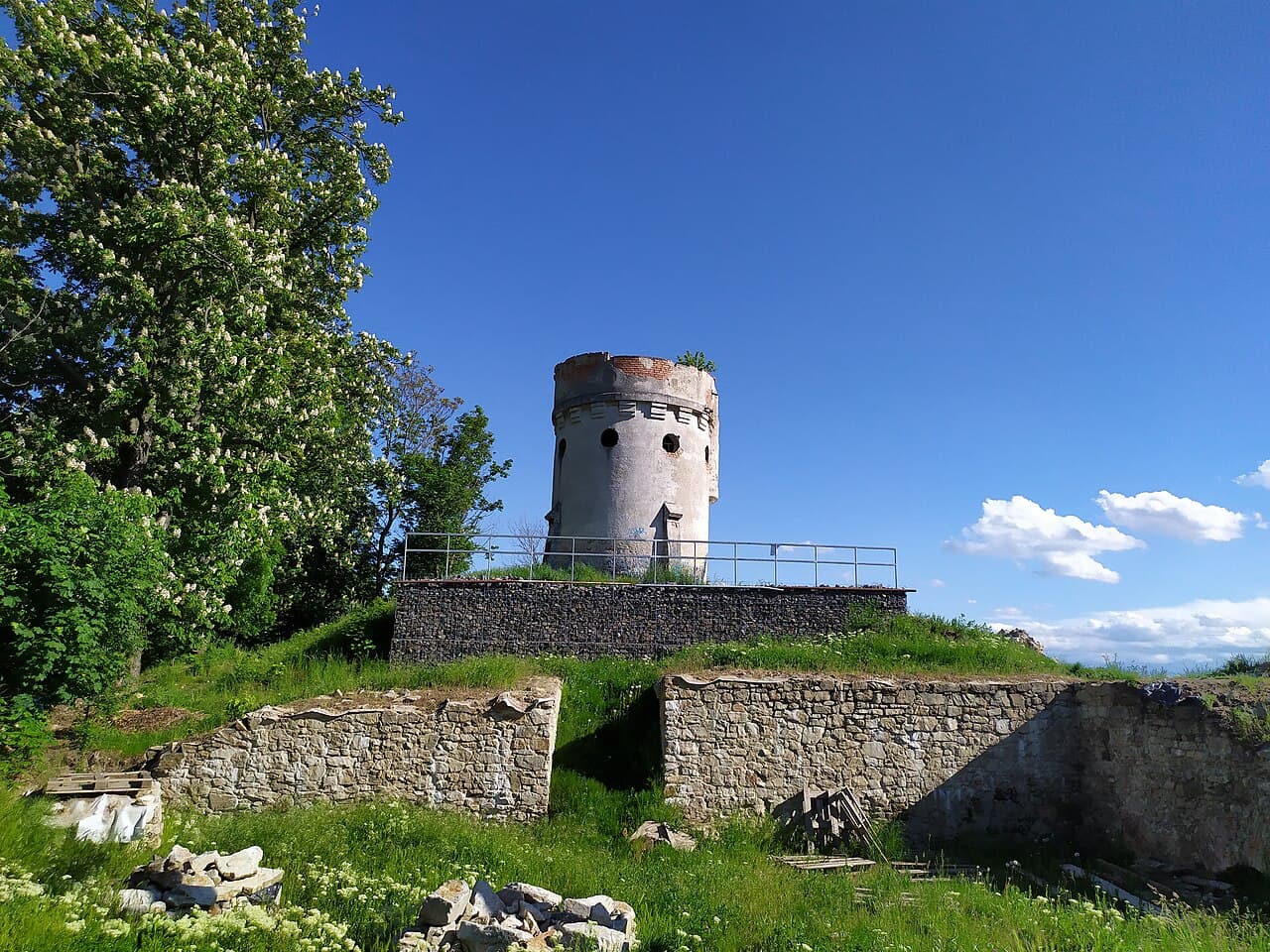
In 1905, a water tower was erected on the site of the castle ruins. Designed to blend with the historical environment, the tower's architectural style complements the medieval atmosphere of the location. However, it is important to note that the water tower is materially separate from the original castle structure and serves a modern utilitarian function rather than a defensive one.

Archaeological and conservation efforts

Čeklís Castle is classified as an archaeological ruin, and its remains have been subject to preservation efforts to maintain the integrity of the surviving walls. Archaeological investigations have helped to clarify the castle's historical context and construction techniques. Conservation work focuses on protecting the remaining stone structures from further decay due to natural weathering and human impact.

Visitor information and cultural importance

While the castle is in a state of ruin, its location near Bernolákovo makes it accessible for visitors interested in medieval history and Slovak heritage. The site offers a tangible connection to the region's past and is a point of interest for historians, archaeologists, and tourists. The juxtaposition of the medieval ruins with the early 20th-century water tower adds a unique layer to the site’s narrative, illustrating the evolution of human use over centuries.

Čeklís Castle remains a valuable cultural landmark within Slovakia, representing the architectural and historical legacy of the High Medieval period. Its ruins continue to evoke the strategic importance and architectural style of medieval fortifications in Central Europe.

Frequently asked questions (FAQ)

What is the historical significance of Čeklís Castle?
Čeklís Castle, located in Bernolákovo, Slovakia, dates back to the 15th century and is a stunning example of Gothic architecture. It has served various purposes throughout its history, including as a noble residence and a military stronghold, reflecting the region's rich cultural heritage.
When was Čeklís Castle built?
The construction of Čeklís Castle began in the late 1400s, with significant renovations occurring in the following centuries. The castle's architecture showcases a blend of Gothic and Renaissance styles, making it a fascinating subject for history and architecture enthusiasts alike.
Can I visit Čeklís Castle?
Yes, Čeklís Castle is open to visitors, and guided tours are available to explore its rich history and architectural beauty. Be sure to check the official website for any specific visitor guidelines or requirements before your visit.
What are the opening hours of Čeklís Castle?
Čeklís Castle is generally open to the public from Tuesday to Sunday, with varying hours depending on the season. It is advisable to confirm the current opening times on their official website to plan your visit accordingly.
Is it possible to access Čeklís Castle by public transport?
Yes, Čeklís Castle is accessible by public transport, with several bus routes connecting Bernolákovo to nearby cities. Visitors can check local transport schedules for the best options to reach the castle.
What are the ticket prices for visiting Čeklís Castle?
Ticket prices for Čeklís Castle are quite reasonable, typically ranging from a few euros for adults to discounted rates for children, students, and seniors. It is recommended to purchase tickets on-site or check the official website for any special offers or group rates.
When is the best time to visit Čeklís Castle?
The best time to visit Čeklís Castle is during the spring and early autumn months when the weather is mild and pleasant. These seasons also allow for beautiful views of the surrounding landscape, enhancing your overall experience.
Are there any nearby attractions to visit along with Čeklís Castle?
Yes, visitors to Čeklís Castle can also explore nearby attractions such as the Bernolákovo park and local historical sites. The region is rich in cultural offerings, making it a great destination for a day trip.

Photo gallery

Čeklís Castle
Click to view

Photo by Ľuboš Repta•CC BY-SA 4.0

1 photo • Click any image to view in full screen

Information

Archaeological Site / Ruins

Loading map...

Visitor reviews

No reviews yet. Been here? Write the first review and help other travelers!

Write the first review

Visited this castle? Share your experience

Your review helps other travelers and adds first-hand knowledge to our encyclopedia.
Write a review

(5/5)

0/2000 characters

Your review will be visible after admin approval

Nearby castles

9.7 km
Biały Kamień — Slovakia castle

Biały Kamień

Svätý Jur, Slovakia

Biały Kamień castle stands as a significant medieval Gothic ruin perched on a wooded hill above the town of Svätý Jur in Slovakia. Originating in the late 13th century, this castle was strategically constructed to replace an earlier Great Moravian fortification from the 9th century, marking the site’s long-standing military importance. The castle served as a fortified noble residence and a defensive stronghold guarding the western borderlands of the Kingdom of Hungary. Its earliest documented mention dates to 1271, when it was captured by King Ottokar II of Bohemia during regional conflicts. The castle’s founders were members of the knightly Świętojurski family, who held estates around Pezinok and Svätý Jur. It is possible that the castle was commissioned by King Béla IV of Hungary as part of a network of fortifications securing the kingdom’s western frontier after the Mongol invasions. Architectural design and medieval expansions Originally, Biały Kamień occupied the summit of its hill, laid out on an elliptical plan approximately 60 by 70 meters. The castle featured two donjon towers serving both residential and defensive purposes, along with a gate tower equipped with a drawbridge spanning a dry moat. This design reflected typical High Medieval fortification principles, combining military strength with noble habitation. In the late 14th century, the castle underwent significant enlargement. An outer ring of defensive walls was added, complete with an eastern gate accessed via a drawbridge over the moat. This expansion included additional towers and support buildings such as storerooms and a chapel, emphasizing the castle’s role as a fortified residence. The castle's layout evolved into a complex with an inner and outer ward, enhancing its defensive capabilities against increasingly sophisticated siege tactics. Interior structures and facilities Historical records from 1412 provide a detailed description of the castle’s internal arrangement. The complex included a residential chamber, a palatial hall, a chapel with an underground cellar, and various service buildings abutting the outer walls. Two main towers stood in the upper castle, complemented by two towers in the outer ward. These features illustrate a well-organized noble residence capable of supporting both domestic life and military defense. Historical context and ownership changes Biały Kamień remained under the control of the Świętojurski family until the death of the last heir in 1526. Subsequently, ownership passed through several prominent noble families, including Jan Zapolya in 1540, the Ilésházy family in the latter half of the 16th century, and the Pálffy family during the 17th century. These transitions reflect the castle’s enduring strategic and residential importance in the region. In 1609, Štefan Ilésházy moved his residence from the castle to a newly constructed Renaissance palace in Svätý Jur, signaling the declining military role of the fortress. The castle was likely abandoned and fell into ruin after being severely damaged during the Ottoman raid of 1663, part of broader Turkish incursions into Central Europe. Since then, the castle has remained a ruin, a silent witness to centuries of regional history. Architectural remains and archaeological significance Today, the ruins of Biały Kamień are scattered across the forested hilltop, offering valuable insights into medieval castle construction and layout. The upper castle retains remnants of the donjon towers and collapsed cellars, while the lower castle preserves fragments of the gate tower, guardhouses, and substantial sections of the outer curtain wall. The surviving masonry exhibits characteristic Gothic brick vaulting and defensive features such as the dry moat and drawbridge foundations. Archaeological investigations have revealed a complex water management system, including ceramic pipes that supplied the castle from the nearby town. The discovery of vaulted cellars and farm buildings within the outer ward highlights the castle’s dual role as a military fortress and a self-sustaining noble estate. These findings contribute to understanding the social and economic functions of medieval castles in Slovakia. Preservation and cultural heritage Recognized as a national cultural monument since 2002, Biały Kamień castle ruins attract historians, archaeologists, and visitors interested in medieval architecture and Slovak history. Volunteer groups have initiated restoration and conservation efforts to stabilize the ruins and prevent further decay. The site’s accessibility and scenic hilltop location make it a popular destination for cultural tourism and educational programs. Legacy and regional importance Biały Kamień exemplifies the evolution of medieval castle architecture in Central Europe, reflecting changes in military technology, noble residence design, and regional power dynamics from the High Middle Ages through the early modern period. Its history is intertwined with significant historical figures and events, including royal conflicts, noble family rivalries, and Ottoman invasions. The castle’s ruins serve as a tangible link to Slovakia’s medieval past, offering a rich narrative of feudal society, defensive strategies, and architectural innovation. As a heritage site, it contributes to the cultural identity of Svätý Jur and the surrounding region, fostering appreciation for historical preservation and medieval studies.

High Medieval (11th–13th c.)
Details
10.2 km
Pezinok — Slovakia castle

Pezinok

Pezinok, Slovakia

Pezinok Castle is a historic Gothic hill castle located in the town of Pezinok, Slovakia, nestled at the foothills of the Little Carpathians. Its origins date back to the early 13th century, with the first recorded mention of the area in 1208. Initially established as a mining settlement, Pezinok evolved into a prosperous town, supported by its strategic location and natural resources. The castle itself was constructed during the High Medieval period, likely in the late 13th century, serving as a fortified residence and administrative center for local noble families. Medieval origins and early history The castle was originally built by the counts from Svätý Jur and Pezinok, a noble family that played a significant role in the region's development. The fortress was designed on a circular plan featuring an inner courtyard with a central tower. Defensive structures included a second tower positioned above the gate passage in the outer curtain wall. Surrounding the castle were earth ramparts and two water-filled moats, which enhanced its defensive capabilities. Access was controlled via drawbridges spanning the moats, a typical feature of medieval fortifications. In 1271, the castle became a target during military campaigns by the forces of King Přemysl Otakar II of Bohemia, highlighting its strategic importance. Despite damage sustained during these conflicts, Pezinok Castle remained a significant stronghold in the region. Ownership and architectural evolution The svätý jur family and 14th century rebuilding During the 14th century, Pezinok Castle came under the ownership of the noble family from Svätý Jur, who adopted the surname Świętojurski. This family undertook substantial rebuilding efforts to restore the castle after earlier damages. Documentation from this period provides valuable descriptions of the castle's layout and features, including the circular defensive walls and towers. 15th to 17th century transformations Between 1401 and 1429, a notable dispute occurred between Jerzy Świętojurski and his brother Mikołaj over the division of the Pezinok estate, reflecting the castle's role as a key asset in noble inheritance conflicts. In 1575, ownership passed to Ján Krušic, who also owned the nearby White Stone Castle (Biely Kameň). In 1609, Pezinok Castle underwent a significant Renaissance-style reconstruction. While the renovation modernized the castle's appearance and living quarters, it preserved many of its original defensive features, maintaining its role as a fortified residence. Baroque and 19th-century modifications The castle later belonged to the Illesházy family before being acquired in the early 18th century by Ján Pálffy. In 1718, Pálffy commissioned a Baroque refurbishment that transformed the castle's character, shifting it away from military defense toward a more residential and representational function. Count Francis Pálffy led another major renovation in 1844, during which the castle's fortifications were largely dismantled. The earthworks and defensive walls were removed, and the moats were converted into ornamental fish ponds. Around the castle, a large English-style park was created, featuring rare trees and a pond inhabited by waterfowl, enhancing the estate's aesthetic appeal. Damage, restoration, and modern use In 1875, a lightning strike caused extensive damage to the northern part of the castle, leading to the collapse of that section. Early in the 20th century, a new building was constructed on the damaged site, altering the castle's original circular layout. In 1931, the town of Pezinok purchased the castle, only to sell it five years later to the Slovak Vintner Association. Today, the castle remains under the ownership of a wine company, reflecting the region's long-standing tradition of viticulture. The castle's 19th-century appearance has been preserved, and its cellars house a small museum dedicated to the history of winemaking in the area. This museum offers visitors insight into the cultural and economic importance of wine production in Pezinok and the surrounding Little Carpathians. Architectural features and layout Pezinok Castle's original circular design with an inner courtyard and central tower was a distinctive medieval fortress layout. The presence of a gatehouse tower and outer defensive walls with moats provided multiple layers of protection. The use of drawbridges over the moats was a classic defensive feature allowing controlled access. Over centuries, the castle evolved from a purely military fortress to a noble residence with Renaissance and Baroque stylistic influences. The removal of defensive walls and transformation of moats into ornamental ponds reflect this shift. The surrounding English garden park established in the 19th century contributes to the castle's picturesque setting and is home to rare tree species and a pond that supports local wildlife. Cultural significance and tourism Pezinok Castle is an important cultural landmark in Slovakia, embodying centuries of regional history from medieval fortifications to Renaissance and Baroque noble residences. Its association with prominent noble families such as the Świętojurski, Krušic, Illesházy, and Pálffy families highlights its historical importance. Today, the castle serves as a venue for cultural events and houses a museum dedicated to the region's renowned wine heritage. Visitors can explore the castle grounds, enjoy the scenic park, and learn about the area's viticultural traditions, making Pezinok Castle a notable destination for history enthusiasts and wine lovers alike.

High Medieval (11th–13th c.)
Details
14.4 km
Dračí hrádok — Slovakia castle

Dračí hrádok

Borinka, Slovakia

Dračí hrádok, meaning "Dragon fort" or "Dragon castle" in English, is a notable example of high medieval castle ruins situated in the southernmost part of the Little Carpathians, Slovakia. Located less than 2 kilometers southeast of the village of Borinka in the Bratislava region, this site stands on a hill approximately 370 meters above sea level, overlooking the valley of the Stupava stream. Its elevated position provided strategic advantages for surveillance and defense during its period of use. Historical context and strategic importance Constructed in the 13th century, Dračí hrádok was part of a network of fortifications built to secure the region during the high medieval period. This era was marked by frequent territorial disputes and the need for strongholds to protect trade routes and local settlements. The castle's location in the Little Carpathians allowed control over the surrounding valleys and paths leading towards the capital, Bratislava. Although the exact founders of Dračí hrádok are not well documented, it is likely that the castle was established by local nobility or feudal authorities seeking to assert control over the area. Its proximity to other castles such as Biely Kameň and Pajštún Castle suggests a coordinated defensive system. Architectural features and layout As a hill castle typical of the medieval period, Dračí hrádok was constructed primarily from local stone, utilizing the natural topography for defense. The ruins indicate the presence of fortified walls and a central keep or tower, which would have served as the last line of defense and residence for the lord or garrison commander. The castle's design likely included a courtyard surrounded by defensive walls, with access controlled by a gatehouse. Remnants of these structures can still be discerned among the ruins, though much of the masonry has collapsed over time. The elevated position afforded wide visibility over the surrounding landscape, crucial for early warning against approaching enemies. Decline and current condition Dračí hrádok fell into disuse and ruin over the centuries, with no significant restoration efforts recorded. Today, it remains as archaeological ruins that attract hikers and history enthusiasts. The site is accessible via hiking trails from Borinka and nearby villages, making it a popular destination for those exploring the Little Carpathians and the vicinity of Bratislava. Visitors can explore the remains of the castle walls and foundations, gaining insight into medieval fortification techniques and regional history. The castle's ruinous state offers a glimpse into the passage of time and the changing political landscape of medieval Slovakia. Relationship with surrounding castles Dračí hrádok is part of a cluster of medieval castles in the region, including Biely Kameň and Pajštún Castle. These fortifications collectively formed a defensive network controlling key routes through the Little Carpathians. Their proximity suggests coordinated military and administrative functions during the high medieval period. Today, these castles serve as cultural heritage sites and outdoor recreational spots, contributing to the understanding of Slovakia's medieval past and offering scenic hiking opportunities.

High Medieval (11th–13th c.)
Details