Castro of San Cibrao de Las
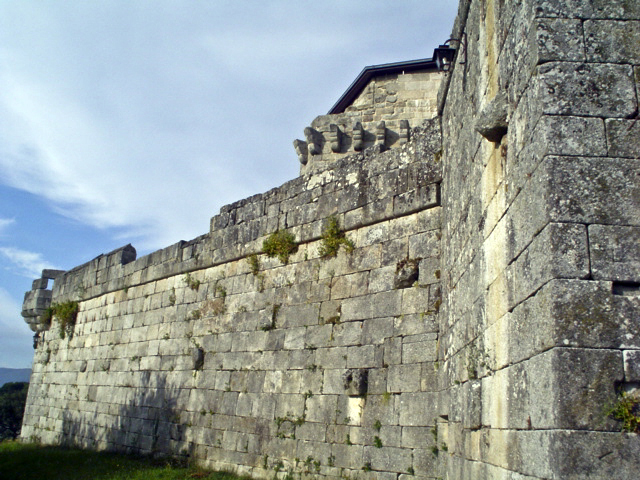
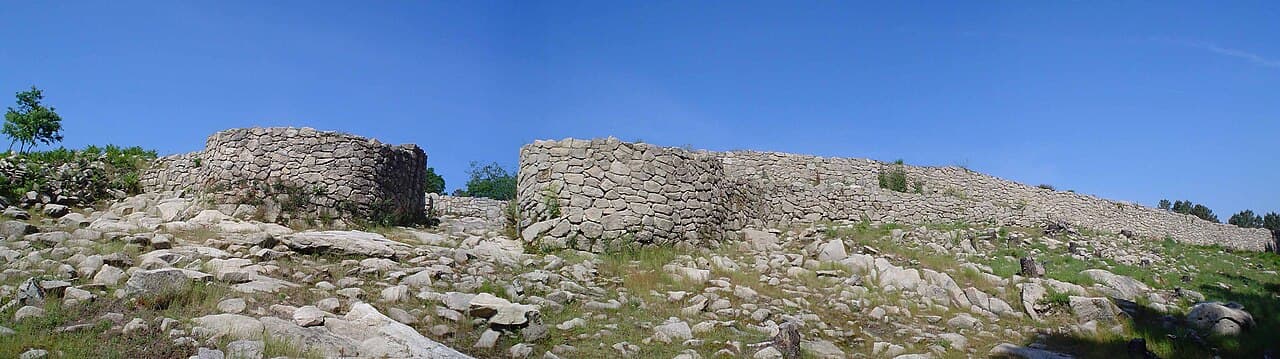
Castro of San Cibrao de Las is a significant archaeological site located in Galicia, Spain, representing one of the most extensive and well-preserved examples of the castro culture settlements. Unlike a traditional castle, this site comprises the remains of a fortified town or village that thrived during the Iron Age and into the early Roman period.
The settlement was originally established in the 2nd century BC and remained inhabited until approximately the 2nd century AD. This timeline places the site firmly within the early medieval historical period, though its origins precede this era, reflecting a long continuity of occupation and cultural development. The castro culture is characterized by its distinctive hill forts, known as "castros," which are fortified settlements typically found in the northwestern Iberian Peninsula.
Geographical setting and layout
The ruins are situated atop a 473-metre-high hill, providing a strategic vantage point over the surrounding landscape. The site covers an extensive area approximately 384 meters long and 314 meters wide, making it one of the larger castro settlements discovered. This elevated position was chosen for defensive advantages, allowing inhabitants to monitor movements and protect against potential invaders.
Unlike many other castros in the region, which often feature predominantly circular or oval-shaped walls and buildings, the Castro of San Cibrao de Las is notable for its many straight walls and fewer curved structures. This architectural choice suggests a unique adaptation or evolution in construction techniques, possibly influenced by Roman building practices during the period of Roman rule in Galicia.
Architectural features and defensive structures
The fortified town was enclosed by robust stone walls that formed multiple defensive lines, creating a complex system of protection for the inhabitants. These walls were constructed using local stone, skillfully fitted without mortar, a technique typical of castro settlements. The presence of several gates and watchtowers allowed controlled access and surveillance of the surrounding area.
Inside the fortifications, the settlement contained numerous stone houses arranged along narrow winding streets. These dwellings were often circular or oval in shape, constructed with stone walls and thatched roofs. The layout reflects a well-organized community with designated areas for living, storage, and communal activities.
Urban planning and social organization
The spatial arrangement of the houses and streets indicates a degree of urban planning uncommon for the time. The settlement's size and complexity suggest it was a significant local center, possibly serving as a hub for trade, governance, and cultural activities within the region.
Archaeological excavations have uncovered evidence of metalworking, pottery production, and agricultural practices, illustrating a self-sufficient community with diverse economic activities. The presence of imported Roman goods also points to active trade connections and cultural exchange during the early Roman period.
Historical context and significance
The Castro of San Cibrao de Las flourished during the 1st century AD, coinciding with the early years of Roman rule in Galicia. This period saw significant changes in local society, including the introduction of Roman administrative systems, architecture, and material culture.
The site provides valuable insights into the transition from indigenous castro culture to Romanized settlements. It reflects how local populations adapted to Roman influence while maintaining traditional elements of their culture and lifestyle.
Decline and abandonment
By the 2nd century AD, the settlement was gradually abandoned, likely due to changing political, economic, and social conditions under Roman rule. The decline of the castro culture settlements was common throughout the region as Roman urban centers and infrastructure developed.
Archaeological research and preservation
Extensive archaeological excavations have been conducted at the site, revealing well-preserved foundations, walls, and artifacts that contribute to understanding the castro culture and early Roman influence in northwestern Spain.
Today, the ruins of the Castro of San Cibrao de Las are protected as an important cultural heritage site. Visitors can explore the remains of this fortified hill town, gaining a glimpse into the life and architecture of an ancient community that once thrived in Galicia.
The site is classified as archaeological ruins, with much of the original stonework still visible, though no standing buildings remain. This condition allows for detailed study of the construction techniques and settlement layout, providing a valuable resource for historians and archaeologists.
Frequently asked questions (FAQ)
- How do I get to the Castro of San Cibrao de Las?
- The Castro of San Cibrao de Las is located near the town of San Cibrao in Spain. You can reach it by car or public transport, with parking available nearby. It is advisable to check local bus schedules or plan your route in advance for a smooth visit.
- What is the historical significance of the Castro of San Cibrao de Las?
- The Castro of San Cibrao de Las is an ancient hill fort that dates back to the Iron Age, showcasing the rich cultural heritage of the region. It played a crucial role in the early settlements of the area, reflecting the architectural and social developments of its time. Visitors can explore the remnants of its walls and structures, offering a glimpse into the past.
- When was the Castro of San Cibrao de Las built?
- The construction of the Castro of San Cibrao de Las is believed to have begun around the 5th century BC. Over the centuries, it underwent various modifications and expansions, serving as a vital defensive structure. This historical site provides insights into the life and defense mechanisms of ancient civilizations.
- Can I visit the Castro of San Cibrao de Las year-round?
- Yes, the Castro of San Cibrao de Las is open to visitors throughout the year. However, it's advisable to check for any seasonal events or maintenance work that might affect access. Visiting during the spring or autumn can offer a more pleasant experience with milder weather.
- Why is the architecture of the Castro of San Cibrao de Las unique?
- The architecture of the Castro of San Cibrao de Las is notable for its robust stone walls and strategic layout, typical of ancient Celtic hill forts. Its design reflects the defensive needs of the time, with natural terrain incorporated into its construction. This uniqueness provides visitors with an understanding of ancient military architecture.
- Is it possible to take guided tours of the Castro of San Cibrao de Las?
- Yes, guided tours are available at the Castro of San Cibrao de Las, providing deeper insights into its history and architecture. These tours are typically conducted by knowledgeable guides who can offer fascinating anecdotes and historical context. It is recommended to book in advance, especially during peak tourist seasons.
- What are the opening hours for visiting the Castro of San Cibrao de Las?
- The Castro of San Cibrao de Las is generally open from 9 AM to 7 PM during the summer months and from 9 AM to 5 PM in the winter. It's best to check the official website or local tourist information for any changes to opening hours or special holiday schedules. Plan your visit accordingly to make the most of your experience.
- Are there any nearby attractions to visit while at the Castro of San Cibrao de Las?
- Yes, there are several nearby attractions, including the picturesque town of San Cibrao and other historical sites in the region. Visitors can also explore local museums that highlight the area's history and culture. Combining your visit with these nearby attractions can enhance your overall experience.
- What are the ticket prices for visiting the Castro of San Cibrao de Las?
- The ticket prices for the Castro of San Cibrao de Las are generally affordable, with discounts available for students and seniors. Children under a certain age may enter for free. For the latest pricing information, it's advisable to check the official site or inquire at the entrance before your visit.
Photo gallery

Information
Loading map...
Visitor reviews
No reviews yet. Been here? Write the first review and help other travelers!
Write the first reviewVisited this castle? Share your experience
Your review helps other travelers and adds first-hand knowledge to our encyclopedia.