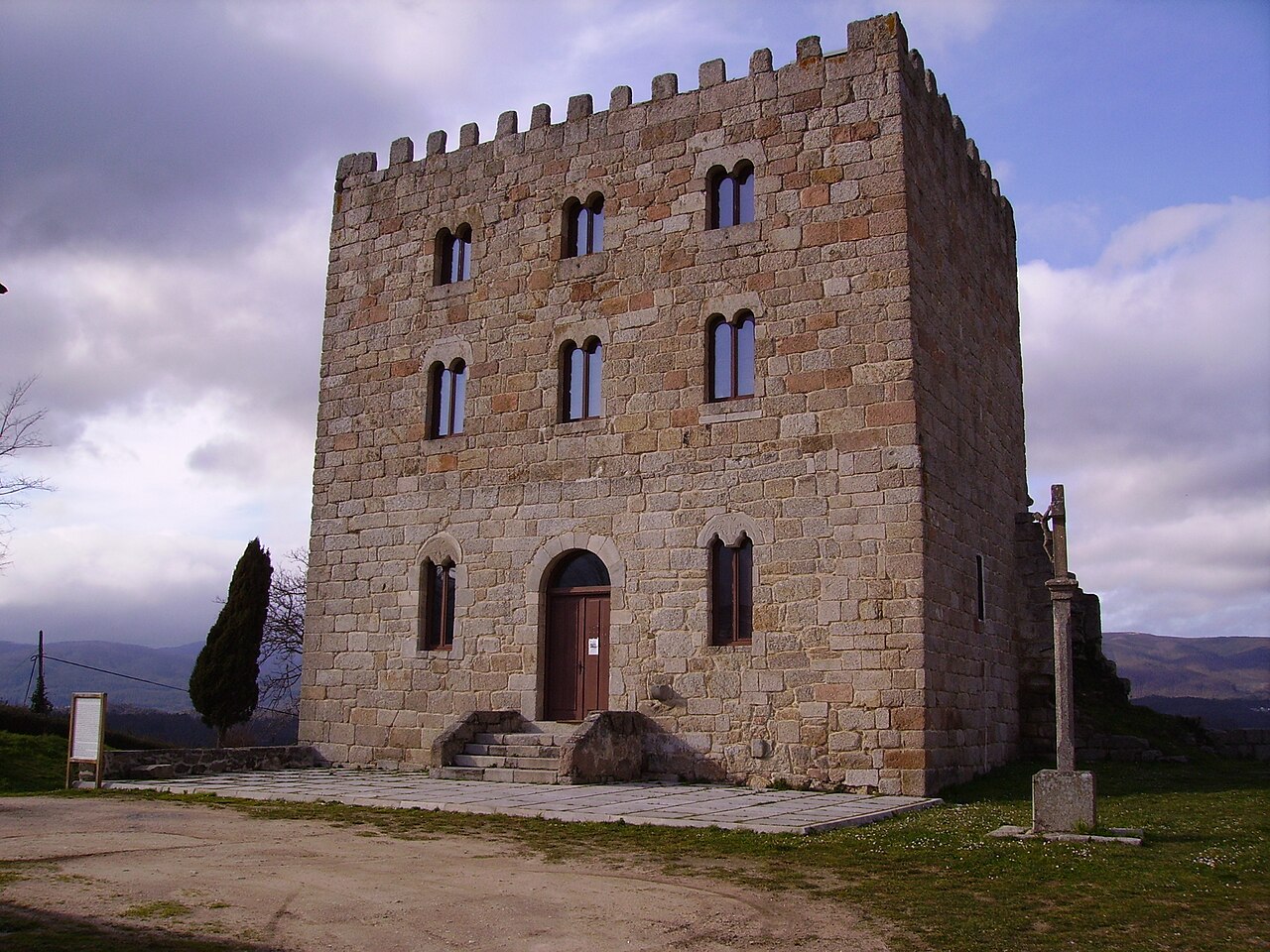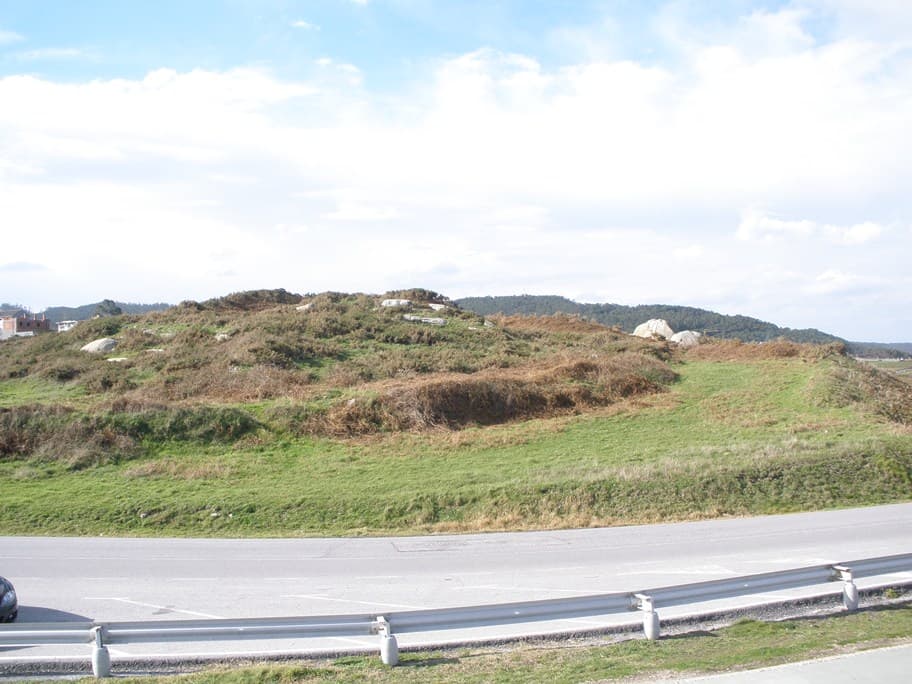
Castro of Burela
The Castro of Burela is an important archaeological ruin located in Spain, representing a significant example of an ancient hill fort or castro settlement. This site offers valuable insights into the Iron Age culture and defensive architecture of the northwestern Iberian Peninsula.
Historical context and significance
The term "castro" refers to fortified settlements typical of the Iron Age in northwestern Spain and Portugal, dating roughly from the 9th century BCE to the Roman conquest period. The Castro of Burela is among these ancient sites, illustrating the lifestyle and defensive strategies of the indigenous peoples before Romanization.
Castros were typically located on elevated ground, providing natural defensive advantages. The Castro of Burela occupies a strategic hilltop position, overlooking the surrounding landscape, which allowed its inhabitants to monitor approaching threats and control local territory.
Architectural features and layout
The remains of the Castro of Burela reveal a complex of stone-built structures enclosed by defensive walls. These walls, constructed with dry stone techniques, formed a protective barrier around the settlement. The fortifications often included circular and oval houses clustered within the walls, typical of castro architecture.
Within the enclosure, the foundations of dwellings and communal spaces can be discerned, indicating a well-organized community. The layout reflects adaptation to the terrain, with buildings arranged to maximize defensibility and efficient use of space.
Defensive structures
The defensive walls of the Castro of Burela were complemented by natural slopes and possibly additional earthworks, enhancing the site's protection. Entrances were likely narrow and easily defended, consistent with other castro sites.
Archaeological research and findings
Excavations at the Castro of Burela have uncovered artifacts such as pottery shards, tools, and remnants of domestic life, which help reconstruct the daily activities and cultural practices of its ancient inhabitants. These findings contribute to understanding the transition from prehistoric to Roman times in the region.
The site is valuable for studying the indigenous pre-Roman societies of Galicia and their interactions with expanding Roman influence.
Current status and preservation
Today, the Castro of Burela is classified as an archaeological ruin. The remnants are partially preserved, with visible stone walls and foundations accessible for study and limited tourism. Preservation efforts focus on protecting the site from natural decay and human impact while facilitating educational and cultural appreciation.
Visitors to the site can observe the layout and remains, gaining a tangible connection to the ancient past of the Iberian Peninsula.
Location and accessibility
While the exact city location within Spain is not specified, the Castro of Burela is situated in the region of Galicia, known for its numerous castro sites. The surrounding landscape features typical Galician terrain, with hills and coastal proximity, which influenced the settlement's placement.
Access to the site may be limited due to its archaeological nature, and visitors are encouraged to respect preservation guidelines.
Frequently asked questions (FAQ)
- What is the historical importance of the Castro of Burela?
- The Castro of Burela is an ancient hill fort representing Iron Age settlement patterns and defensive architecture in northwestern Spain before Roman influence.
- Can I visit the Castro of Burela ruins?
- Yes, the site is accessible to visitors, though facilities may be limited. Visitors should respect preservation rules and check local access conditions before planning a visit.
- What architectural features are typical of the Castro of Burela?
- Typical features include dry stone defensive walls, circular and oval stone houses, and a hilltop location providing natural defense.
- When was the Castro of Burela likely built?
- The settlement dates back to the Iron Age, roughly from the 9th century BCE to the early Roman period, although precise construction dates are uncertain.
- Why are castros important in Spanish history?
- Castros illustrate the indigenous pre-Roman cultures of the Iberian Peninsula and their social organization, defense strategies, and adaptation to the landscape.
Photo gallery

Photo by Spytrap•Public domain
Information
Loading map...
Visitor reviews
No reviews yet. Been here? Write the first review and help other travelers!
Write the first reviewVisited this castle? Share your experience
Your review helps other travelers and adds first-hand knowledge to our encyclopedia.