Castillo da Frouxeira
Castillo da Frouxeira stands as a poignant symbol of medieval fortification and regional conflict in the northwestern Spanish region of Galicia. Perched atop the Pico da Frouxeira, a rugged hill rising between 427 and 500 meters above sea level, this hill castle commanded sweeping views over the Valadouro valley and the Foz estuary. Its strategic location made it a formidable defensive site during the turbulent late 15th century, a period marked by the consolidation of the Spanish crown under the Catholic Monarchs and regional noble power struggles.
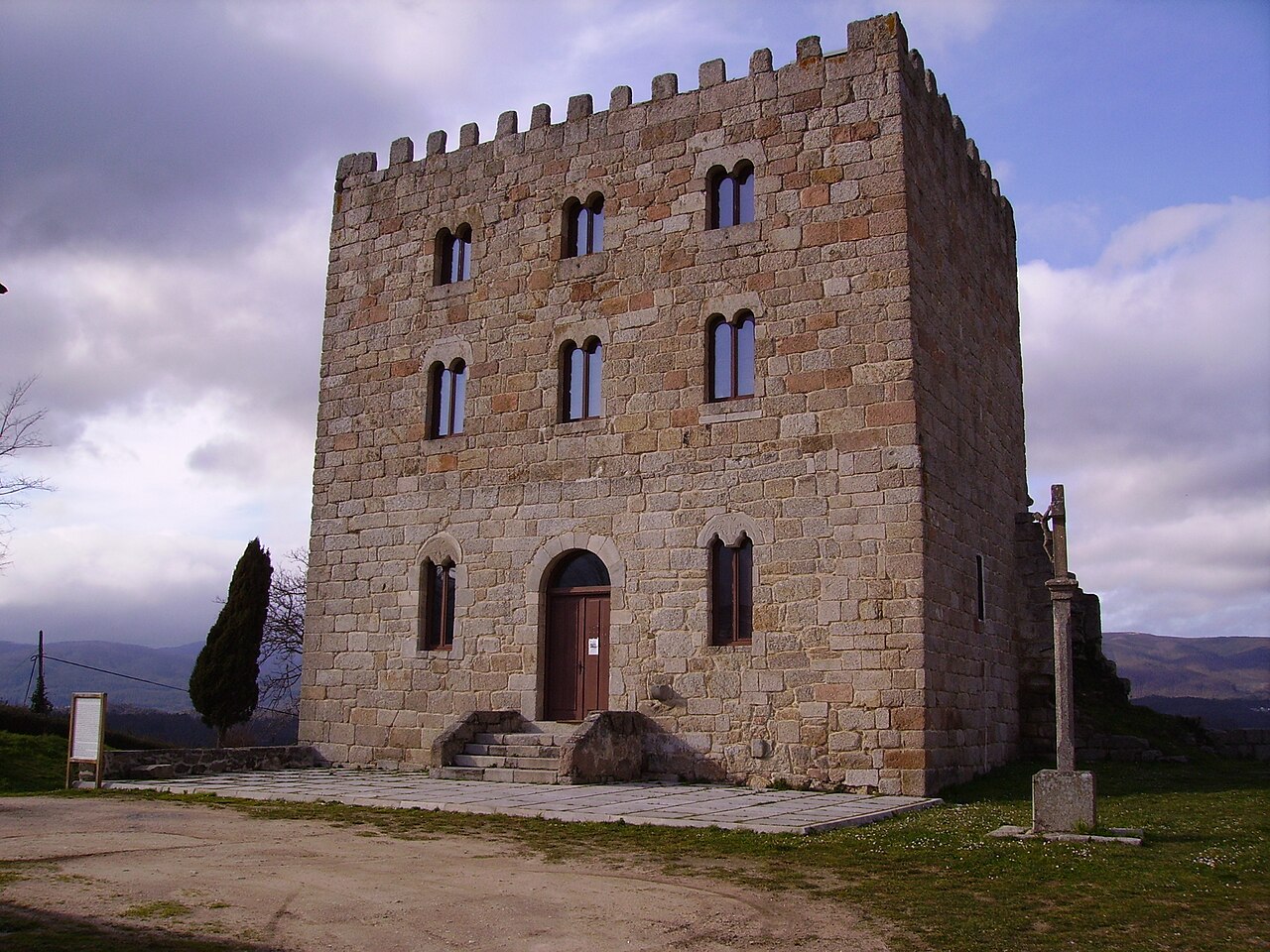
The castle's origins are rooted in the medieval Christian civilization that dominated Galicia during the late medieval period. Although no detailed architectural plans or records survive, its placement on a rocky peak suggests a fortress designed to leverage natural defenses, typical of hill castles of the time. The fortress likely featured robust stone walls, battlements, and lookout towers to monitor enemy movements across the surrounding valleys and estuary.
Historical significance and notable events
Castillo da Frouxeira is most renowned for its role during the late 15th century conflicts involving the Catholic Monarchs' efforts to unify Spain. The castle came under the control of Pero Pardo de Cela, a prominent Galician nobleman, through his marriage to Isabel de Castro, linking the fortress to influential ecclesiastical and noble lineages, including Bishop Henrique de Castro and the Count of Lemos.
From early 1481 until his death in December 1483, Pero Pardo de Cela led the defense of the castle against the forces loyal to the Catholic Monarchs. The besieging army was commanded by Fernando de Acuña and included troops under Luis de Mudarra. The castle's natural fortifications and elevated position made direct assault costly and largely unsuccessful, inflicting significant casualties on the attackers.
Despite the fortress's strong defenses, the siege ultimately ended in betrayal. According to contemporary ballads and local oral tradition, Roi Cofano do Valedouro, a local figure, betrayed the defenders, allowing the besieging forces to capture the castle. Following its fall, the fortress was systematically destroyed, leaving only ruins that survive today.
Architectural features and site remains
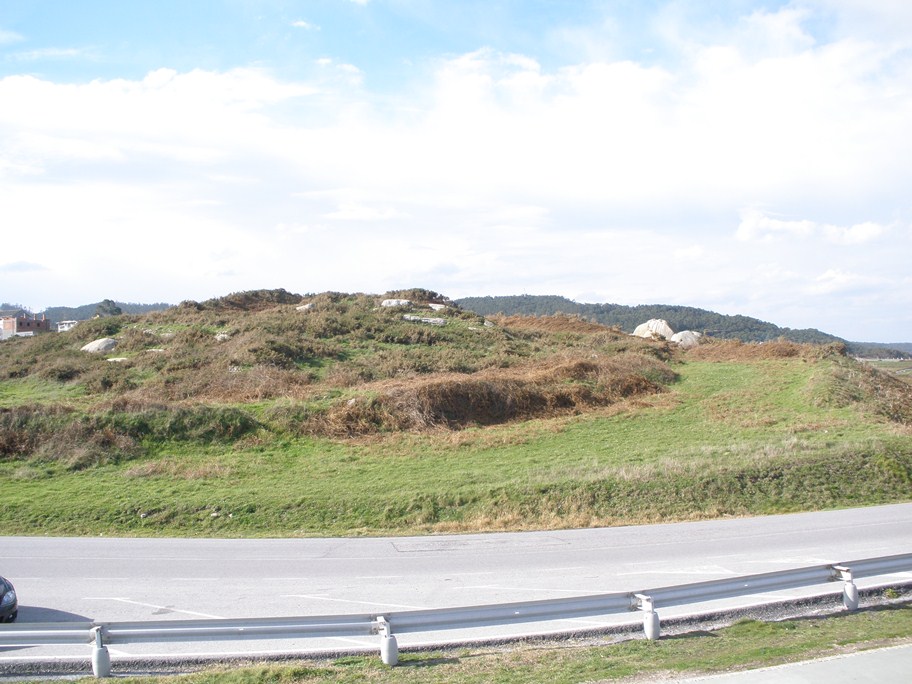
Today, Castillo da Frouxeira exists solely as ruins atop Pico da Frouxeira. The destruction was so thorough that no intact sections of the original stonework remain in situ. The castle's precise architectural layout, construction materials, and decorative elements remain unknown due to the lack of surviving documentation and archaeological excavation.
The site’s natural topography provided significant defensive advantages, with steep rocky slopes and commanding views over the adjacent valleys and estuary. This positioning was typical of hill castles designed to maximize natural defenses alongside man-made fortifications.
Despite the absence of physical remains, the castle’s legacy endures in local culture and literature. The dramatic siege and betrayal inspired numerous poems, songs, and theatrical works, including the lament known as the "Pranto da Frouxeira" and the play "O Mariscal" by Ramón Cabanillas and Antón Villar Ponte. These works celebrate the castle's historical and cultural significance, embedding it deeply in Galician heritage.
Cultural heritage and preservation
The ruins of Castillo da Frouxeira are protected under Spanish cultural heritage laws, recognizing the site’s importance as a historical and archaeological landmark. Although no significant archaeological artifacts such as tools or pottery have been documented, the site continues to attract interest from historians, archaeologists, and visitors intrigued by its dramatic past.
Local oral traditions and ballads preserve the memory of the castle’s fierce defense and tragic fall, adding a layer of legendary narrative to the physical remains. The site remains a poignant reminder of the complex political and military struggles that shaped Galicia during the late medieval period and the broader history of Spain’s unification.
Visiting castillo da frouxeira
While the castle is now a ruin, its location atop Pico da Frouxeira offers visitors a unique opportunity to explore a site of significant historical importance set within a dramatic natural landscape. The vantage points provide panoramic views of the surrounding valleys and estuary, allowing visitors to appreciate the strategic importance of the castle’s original placement.
Visitors interested in medieval history, military architecture, and Galician cultural heritage will find the site evocative despite the absence of standing structures. The castle’s story, preserved in literature and local tradition, enriches the experience of exploring the ruins and the surrounding landscape.
Frequently asked questions (FAQ)
- How do I get to Castillo da Frouxeira?
- Castillo da Frouxeira is located near the town of Foz in Galicia, Spain. Visitors can reach the site by car or local transportation, followed by a hike up Pico da Frouxeira to access the ruins.
- What is the historical significance of Castillo da Frouxeira?
- The castle played a crucial role in the late 15th century as a stronghold for Pero Pardo de Cela during conflicts with the Catholic Monarchs. Its dramatic siege and betrayal are well remembered in local folklore and literature.
- Can I visit the ruins of Castillo da Frouxeira?
- Yes, the ruins are accessible to the public. While no intact structures remain, visitors can explore the site and enjoy panoramic views from the hilltop.
- When is the best time to visit Castillo da Frouxeira?
- The best time to visit is during the spring and early autumn months when the weather is mild and the natural surroundings are most scenic.
- Are there any guided tours available at Castillo da Frouxeira?
- Guided tours may be available through local tourism offices in Foz, providing historical context and insights into the castle's significance and the surrounding landscape.
Information
Sources & official resources
Verify the information above using these authoritative references.
Loading map...
Visitor reviews
No reviews yet. Been here? Write the first review and help other travelers!
Write the first reviewVisited this castle? Share your experience
Your review helps other travelers and adds first-hand knowledge to our encyclopedia.