Castro of Baroña
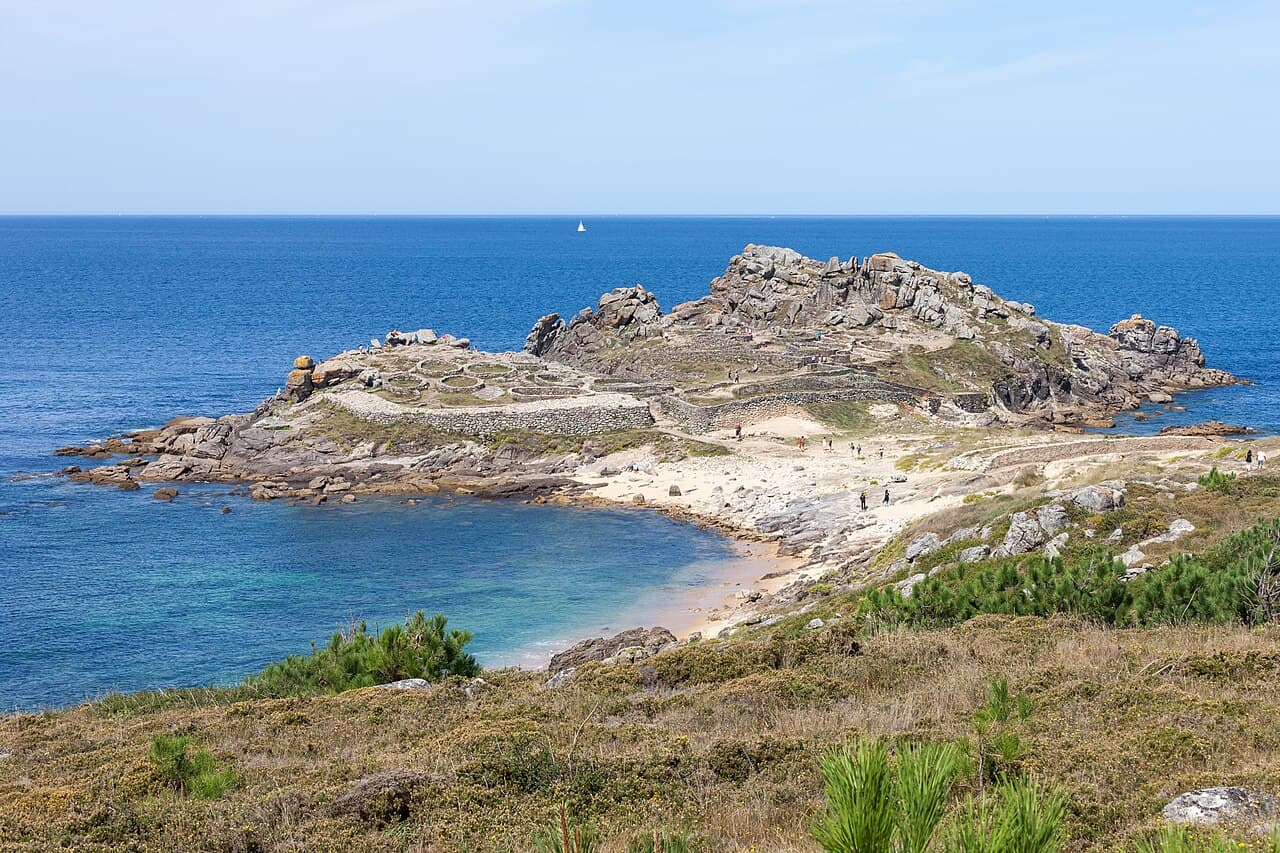
The Castro de Baroña is a remarkable Iron Age fortified settlement situated on a rocky peninsula in the parish of Baroña, within the municipality of Porto do Son, in the province of A Coruña, Galicia, Spain. This archaeological site is notable for its exceptional state of preservation and its unique location, offering a vivid glimpse into the life and defensive architecture of the Celtic peoples who inhabited the region during the late Iron Age.
Dating from approximately the 1st century BC to the 1st century AD, the Castro de Baroña was strategically constructed on a peninsula that juts into the Atlantic Ocean, providing natural protection on three sides. The settlement is enclosed by two concentric defensive stone walls, which were built to fortify the community against potential invaders and to demarcate the living area within the harsh coastal environment.
Architectural features of the Castro de Baroña
Defensive walls and fortifications
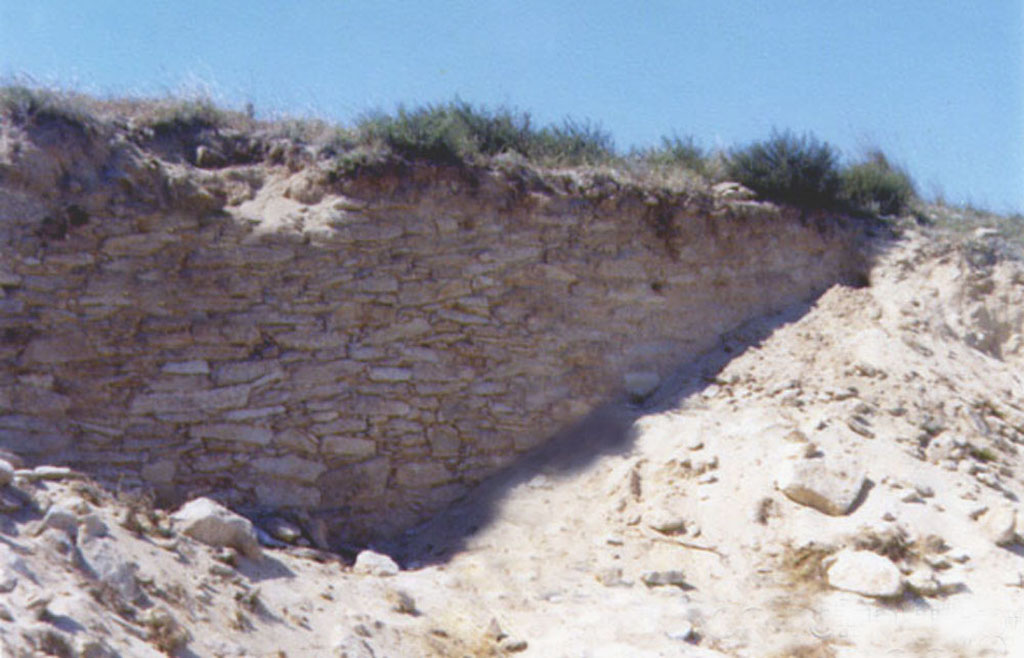
The most striking feature of the Castro de Baroña is its double stone wall system that surrounds the settlement. These walls are constructed from large, roughly shaped granite blocks, typical of Iron Age masonry in the region. The outer wall is irregular in shape, conforming to the rocky terrain, while the inner wall encloses the core residential area. The walls would have been formidable barriers in their time, providing both physical defense and a psychological deterrent.
Roundhouses and domestic structures
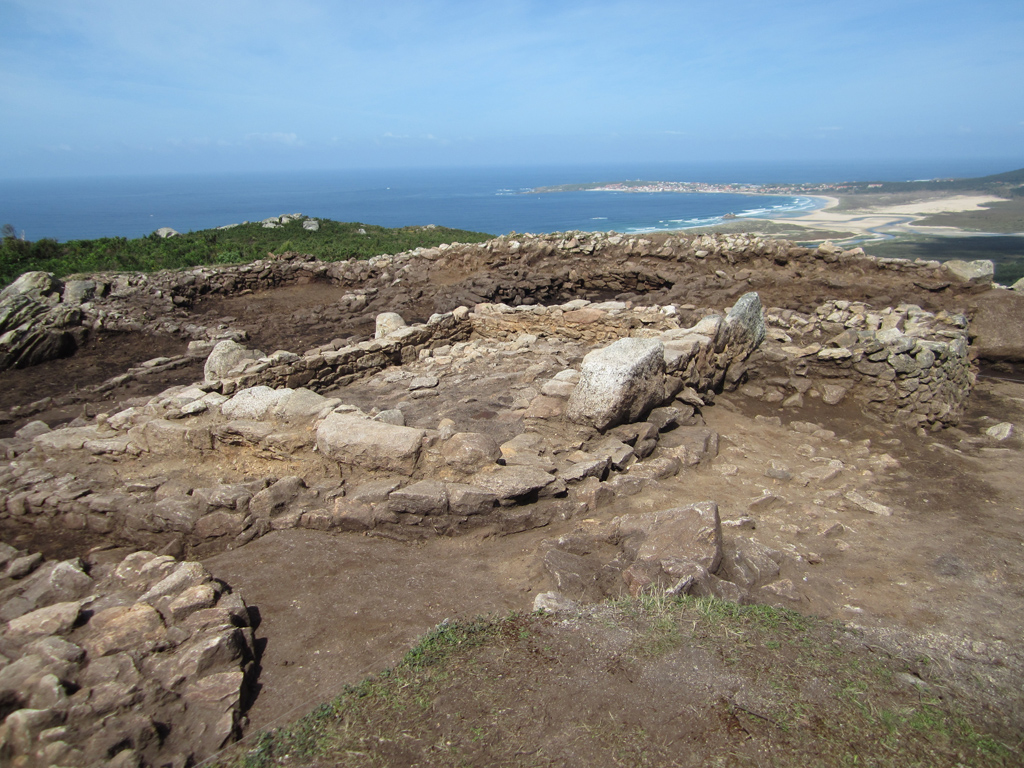
Within the enclosure lie the remains of approximately twenty circular stone houses, which are characteristic of the Castro culture. These roundhouses feature thick stone walls and were likely topped with thatched roofs supported by wooden beams. The interiors of these dwellings would have included hearths and storage spaces, reflecting the domestic lifestyle of the inhabitants. The layout of the houses suggests a closely-knit community with shared spaces and pathways.
Settlement layout and environment
The Castro de Baroña's location on a peninsula not only provided natural defense but also access to marine resources. The settlement's design takes advantage of the rugged coastline, with buildings positioned to maximize shelter from prevailing winds and to utilize the terrain's natural contours. The site includes terraces and platforms that may have been used for agriculture or animal husbandry, indicating a mixed economy.
Historical context and cultural significance
The Castro de Baroña is part of a broader tradition of castro culture settlements found throughout northwestern Iberia, particularly in Galicia and northern Portugal. These settlements were inhabited by Celtic tribes during the late Iron Age and into the early Roman period. The Castro de Baroña provides valuable insight into the social organization, defensive strategies, and daily life of these ancient communities.
Its abandonment around the 1st century AD coincides with the Roman conquest and integration of the region into the Roman Empire, which brought significant cultural and economic changes. The site today stands as a testament to the resilience and ingenuity of its builders, preserving a snapshot of pre-Roman life on the Atlantic coast.
Archaeological research and preservation
Excavations and studies at the Castro de Baroña have revealed important information about Iron Age construction techniques and settlement patterns. The site is protected as a cultural heritage monument and is accessible to the public, allowing visitors to explore the ruins and experience the dramatic coastal landscape.
Efforts to preserve the site focus on maintaining the structural integrity of the stone walls and roundhouses, as well as protecting the surrounding environment from erosion and human impact. Interpretive signage and guided tours help contextualize the settlement's history and significance.
Visiting the Castro de Baroña
The Castro de Baroña is open to visitors year-round, offering a unique opportunity to walk through one of the best-preserved Iron Age fortified settlements in Galicia. The site provides panoramic views of the Atlantic Ocean and the rugged coastline, enhancing the visitor experience. It is recommended to wear sturdy footwear due to the uneven terrain and to visit during daylight hours for safety and visibility.
Nearby, visitors can explore other archaeological sites and enjoy the natural beauty of the Galician coast, making the Castro de Baroña a significant cultural and tourist destination in the region.
Frequently asked questions (FAQ)
- How do I get to the Castro of Baroña?
- The Castro of Baroña is located in Porto do Son, Spain. You can reach it by car or public transport, with parking available nearby. It's also accessible via a scenic walking path, making it a lovely hike for visitors.
- What is the historical significance of the Castro of Baroña?
- The Castro of Baroña is a well-preserved ancient settlement that dates back to the Iron Age. It provides a fascinating insight into the lives of the Celtic people who inhabited the region. The site is considered a key example of Galician castros, showcasing the unique architectural style of the time.
- When was the Castro of Baroña built?
- The Castro of Baroña was constructed around the 1st century BC and was inhabited until the 1st century AD. This timeline places it in a critical period of Galician history when Celtic culture was flourishing. Its age and preservation make it a significant archaeological site.
- Can I visit the Castro of Baroña year-round?
- Yes, the Castro of Baroña is open to visitors throughout the year. However, the best time to visit is during the spring and early autumn when the weather is mild and pleasant. Be sure to check local conditions, as winter weather can affect accessibility.
- Why is the architecture of the Castro of Baroña unique?
- The architecture of the Castro of Baroña features circular stone houses, known as "pallozas," which are characteristic of the Celtic culture in Galicia. The layout of the site reflects the social structure and defensive strategies of its inhabitants. This architectural style is a significant aspect of Galicia's cultural heritage.
- Is it possible to take guided tours of the Castro of Baroña?
- Yes, guided tours are available at the Castro of Baroña, providing visitors with in-depth knowledge of the site's history and architecture. These tours often include informative presentations by knowledgeable guides who can answer questions. It's recommended to check for tour availability in advance, especially during peak tourist seasons.
- What are the opening hours for the Castro of Baroña?
- The Castro of Baroña typically opens at 10 AM and closes at 8 PM during the summer months. In the winter, hours may vary, so it’s advisable to check the official website or local tourism information for the most current hours. Planning your visit around these times ensures you can fully explore the site.
- Are there any ticket prices for visiting the Castro of Baroña?
- Visiting the Castro of Baroña is currently free of charge, making it an accessible attraction for all visitors. However, some special guided tours or events may have associated fees. It's best to verify any costs beforehand, especially if planning a group visit.
- What nearby attractions can I visit while at the Castro of Baroña?
- While visiting the Castro of Baroña, consider exploring the beautiful beaches of Porto do Son, which are just a short drive away. Additionally, the nearby town offers charming local cuisine and shops. The region's natural beauty and coastal scenery make it an ideal area for a full day of exploration.
Photo gallery

Information
Loading map...
Visitor reviews
No reviews yet. Been here? Write the first review and help other travelers!
Write the first reviewVisited this castle? Share your experience
Your review helps other travelers and adds first-hand knowledge to our encyclopedia.